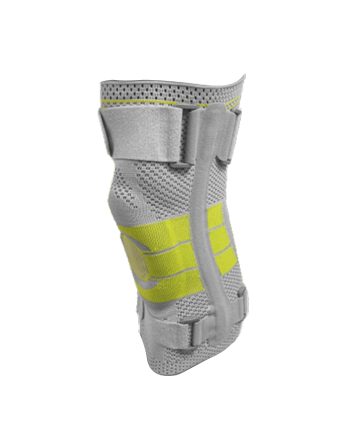
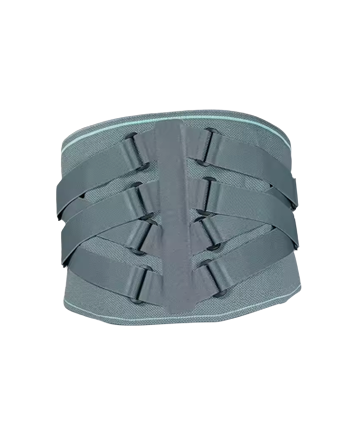
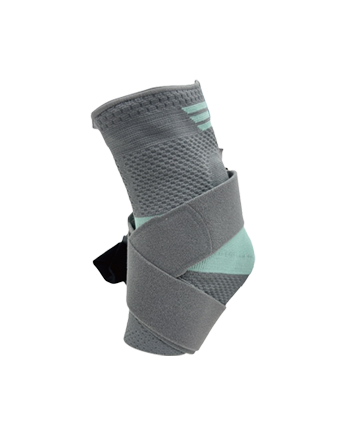
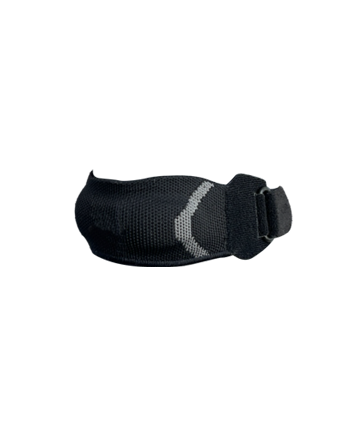
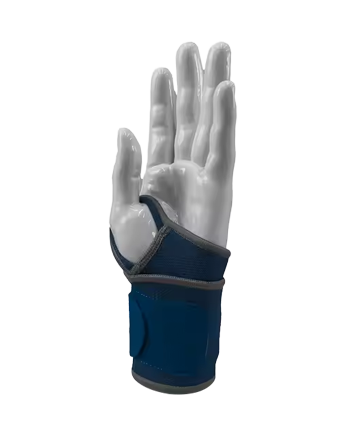
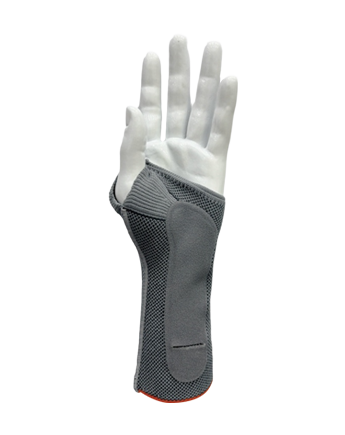
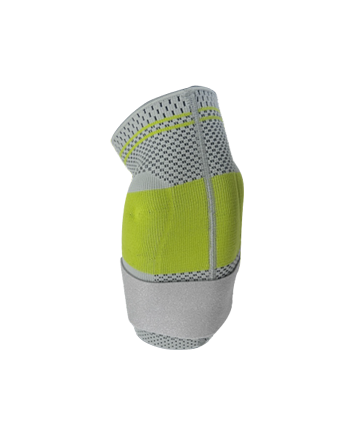
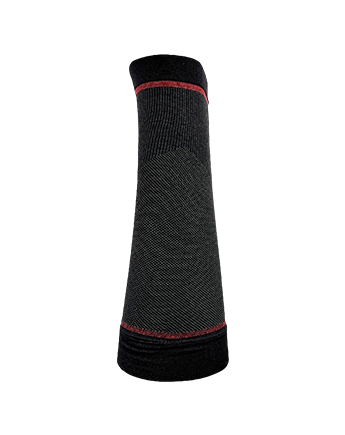
As awareness of repetitive strain and nerve compression grows, health professionals and product designers are increasingly focused on simple devices that support recovery and everyday comfort. One such device — the Palm Brace — is being referenced more often in clinical discussions and workplace wellness conversations. The renewed interest highlights a practical question: can a modest support device reduce symptoms, improve daily function, and ease the path to longer-term care when needed?
Medical practitioners describe nerve compression at the wrist as a condition that affects how people feel and use their hands. Symptoms range from intermittent tingling to persistent weakness that interferes with work, hobbies, and sleep. While advanced medical testing and targeted interventions are important for some patients, clinicians also emphasize early, conservative approaches that limit further irritation and restore a degree of normal use.
Against this backdrop, the Palm Brace is receiving attention for its role as a non-invasive option that can be used during sleep, at work, or as a short-term support during flare-ups.
A supportive wrist device is intended to stabilize the joint in a neutral position, limiting positions that increase pressure on the median nerve. The functional goals are straightforward: reduce irritation, permit rest, and improve hand control for routine tasks without complex intervention.
Clinicians note that a supportive device is good effective when matched to a clear plan: identifying aggravating activities, setting realistic goals for use, and combining bracing with simple behavioral changes.
Everyday use of a brace varies by need and preference. Some people wear support primarily at night to reduce the impact of wrist flexion during sleep. Others use it during focused periods of repetitive activity or while performing tasks that require sustained grip or awkward wrist postures.
Practical considerations such as comfort, ease of removal, and compatibility with daily activities influence how consistently people use the device.
Manufacturers and clinicians prioritize materials and structures that balance support with comfort. Devices intended for daily or nightly wear tend to favor breathable, easy-to-clean materials and shapes that conform to the hand without producing pressure points.
A product designed with these priorities in mind is more likely to be accepted by users and to be an effective part of a conservative care plan.
Supportive devices are typically part of a stepped approach to care. The initial goal is to relieve strain and reduce symptoms while a person modifies activities and tries simple self-care measures. A clinician can help determine whether a support is appropriate, provide fitting advice, and suggest complementary strategies.
Using a brace without addressing the underlying habits that created symptoms may provide temporary relief but is unlikely to resolve the condition fully.
| Focus area | What it addresses | Practical tip |
|---|---|---|
| Symptom relief | Reduces pressure and uncomfortable sensations | Wear support during high-risk tasks and at night when symptoms wake you |
| Functional support | Restores confidence in gripping | Choose a design that allows finger movement while stabilizing the wrist |
| Comfort and adherence | Encourages regular use | Find a comfortable fit and check for irritation after short trial periods |
| Complementary measures | Improves outcomes when combined with other care | Pair support with breaks, posture changes, and recommended exercises |
Employers and occupational health professionals are increasingly recognizing the value of preventive measures that are simple to implement. Providing guidance on safe postures, encouraging short breaks, and allowing access to supportive devices can reduce the frequency of work interruption and lower the burden of chronic discomfort among staff.
Interest in practical, serviceable strategies to manage wrist nerve irritation is likely to continue. A device such as a Palm Brace can be a useful component of early intervention plans that emphasize maintaining function and reducing day-to-day impact. Its role is good meaningful when used as part of a broader, guided approach that includes activity changes, simple exercises, and professional input when symptoms persist.For readers seeking additional resources and practical guidance on supportive devices and conservative care options, more information is available at steriger.
Steriger is a national high-tech enterprise specializing in the R&D and production of high-quality sports supports, medical braces, and sports compression socks.
Copyright © Zhejiang Steriger Sports Medicine Technology Co., Ltd.
The information provided on this website is intended for use only in countries and jurisdictions outside of the People's Republic of China.

Approval No: 浙金药监械生产备20200039号

 English
 Español
 Deutsch
 عربى
عربى Français