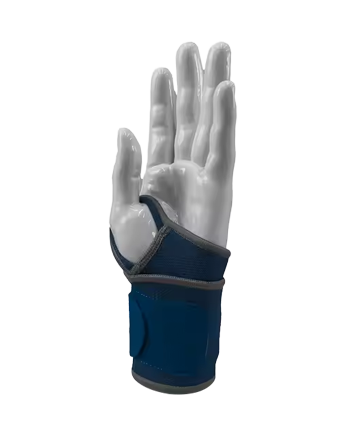
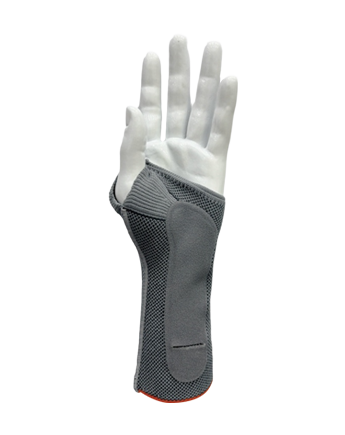
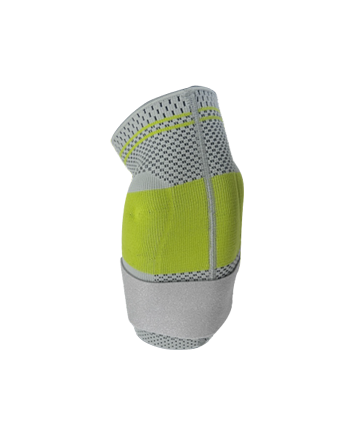
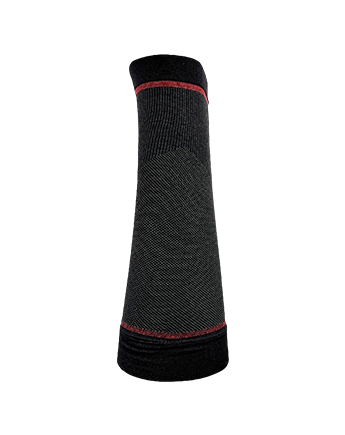
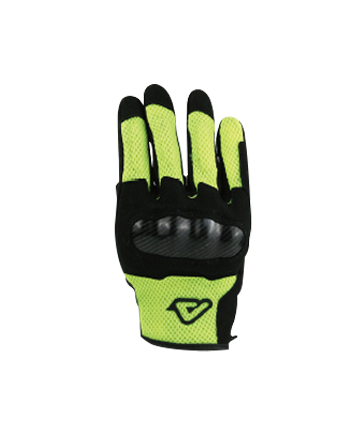
As training practices evolve, the design of protective equipment draws renewed attention. Coaches, athletes and equipment specialists say that a well-designed gymnastic hurling training glove can influence both safety and technique, helping athletes train longer with clearer feedback from each repetition. The glove’s construction, materials and fit matter in ways that go beyond simple coverage — they shape how force is transmitted, how hands perceive contact, and how consistent skill work becomes under fatigue.
At its core, a gymnastic hurling training glove is intended to protect the hand while preserving the tactile feedback athletes need for precise movement. In disciplines where grip, wrist position and finger placement are critical, a glove that dulls sensation or shifts under load can hinder progress. Conversely, a glove that supports the wrist, locks padding into place and breathes can allow for longer sessions and steadier progression.
Trainers note that small design choices — from seam placement to internal lining — directly affect how the glove performs in real training sequences.
The way a glove is put together is as important as the materials used. Stitching, internal anchoring of padding and seam layout determine durability and comfort.
These features are relevant whether the glove is used for repetitive conditioning work or for skill-focused drills where precise hand placement is essential.
Material choice balances feel, durability and care requirements. Some coverings offer a soft, close-to-skin sensation while others favor abrasion resistance and simplified cleaning.
Understanding the trade-offs helps coaches recommend a glove that matches session type: endurance conditioning, impact training or skill refinement.
How the glove fastens affects wrist stability and ease of use. Closure choices influence how securely the glove stays in place and how quickly it can be applied between drills.
A consistent wrist posture supports safer load transfer and clearer feedback on technique, both critical for skill development.
Training equipment that manages moisture and is easy to care for stays serviceable longer and preserves hygienic conditions in shared spaces.
Routine care routines extend life and keep training environments healthier for groups of athletes.
| Training focus | Typical construction emphasis | Coach tip |
|---|---|---|
| Skill drills | Low-bulk padding, high tactile feedback | Prioritize gloves that preserve finger feel |
| Conditioning sets | Evenly layered padding, secure closures | Check fit mid-session to maintain consistency |
| Impact repetitions | Robust outer covering, reinforced seams | Rotate gloves to allow drying and inspection |
| Long sessions | Breathable lining, easy-clean exterior | Schedule regular airing to avoid moisture buildup |
This table offers a rapid-reference guide to match glove attributes with common training scenarios.
Field testing in real practice conditions is essential. What looks good on paper may shift or abrade in the middle of an intense sequence. Coaches recommend trialing a glove through multiple session types before committing it to regular rotation.
These steps reduce the chance of a glove failing at a critical training moment and help identify designs that genuinely support consistent practice.
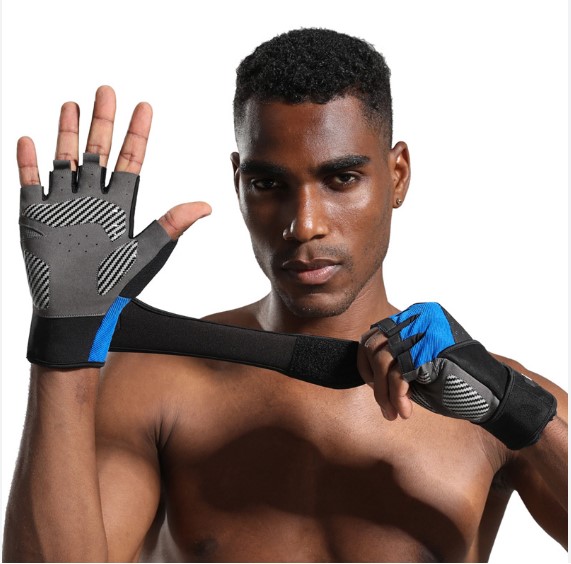
Gloves built with attention to assembly last longer and are easier to service. Features that aid maintenance — like exposed stitching areas for inspection, replaceable liners or modular padding — stretch the usable life of equipment and reduce long-term replacement needs.
These considerations help programs keep equipment reliable without excessive procurement burden.
When teams adopt gloves that are durable, comfortable and easy to maintain, training sessions become steadier and more focused. Athletes waste less time on equipment adjustments and coaches gain clearer feedback on technique because each repetition is performed under similar conditions.
As coaching staff plan seasonal schedules and maintenance cycles, the gymnastic hurling training glove stands out as one of several small investments that support safe, repeatable practice. Consistent equipment habits — rotating gloves, airing them after use and inspecting seams — contribute to healthier training spaces and improve predictability in athlete performance.For an accessible overview and practical guidance on selection, visit steriger.
Steriger is a national high-tech enterprise specializing in the R&D and production of high-quality sports supports, medical braces, and sports compression socks.
Copyright © Zhejiang Steriger Sports Medicine Technology Co., Ltd.
The information provided on this website is intended for use only in countries and jurisdictions outside of the People's Republic of China.

Approval No: 浙金药监械生产备20200039号

 English
 Español
 Deutsch
 عربى
عربى Français