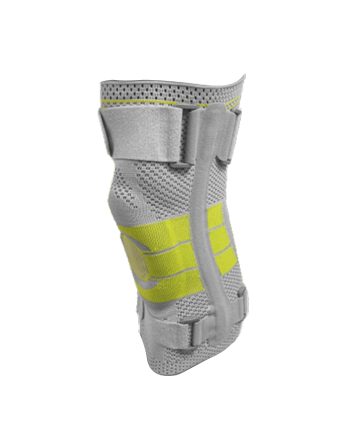
Knee pain can affect more than movement. It can change how a person walks, works, exercises, and handles ordinary daily routines. For many patients, a knee brace becomes part of a wider care plan that aims to reduce discomfort, support the joint, and help preserve mobility. In that setting, choosing the right brace is not only about comfort. It is also about matching the brace to the cause of the problem, the patient’s activity level, and the guidance of a medical professional.
Knee bracing is commonly discussed in relation to overuse injuries, osteoarthritis, meniscus problems, and ligament-related concerns. In these cases, the brace can act as a support tool that helps the knee function more confidently during movement. It may also help reduce the strain placed on surrounding muscles while the body recovers or adapts. For many people, the value of a brace lies in the way it supports activity without forcing a complete stop to daily life.
Healthcare providers often consider bracing as part of a broader treatment plan rather than a stand-alone solution. Physical therapy is frequently included as well, especially when pain has changed how the body moves. That combination can help restore motion, improve strength, and address compensation patterns that develop after injury or ongoing discomfort.
A knee brace can serve different purposes depending on the condition involved. Some patients need support to help the knee feel steadier. Others use a brace to encourage safer movement while healing. In some cases, the brace is used during certain activities and removed at other times.
When the knee feels unreliable, many patients become less active. That can good to stiffness, weaker muscles, and more pressure on other joints. A properly selected brace may help interrupt that cycle by allowing a person to stay engaged in movement with added support.
Common situations where a brace may be considered
A brace should not be chosen casually. A healthcare professional can help decide whether the problem is likely to improve with a brace, whether therapy should come first, or whether a different type of support is more appropriate.
A knee brace may seem simple at good glance, but fit and function matter more than appearance. A brace that slips, pinches, or sits in the wrong position can become uncomfortable and less useful. That is why a patient evaluation can be an important step before using one.
During an assessment, a clinician may look at how the knee behaves during movement, ask about pain patterns, and review the patient’s goals. Those goals can vary. Some patients want to keep walking comfortably. Others want to continue light sports, work duties, or household activities. The intended use of the brace helps shape the recommendation.
A specialist may also compare brace options and explain how each one works. Some braces are designed to add general support. Others are made to address a more specific need, such as helping guide motion or reducing stress on one side of the joint. The decision often depends on how much support is needed and how much freedom of movement should remain.
Fit is a major part of brace success. A brace that matches the shape of the leg is generally easier to wear and easier to accept in daily life. Many patients are more willing to use a brace when it feels secure and does not interfere with ordinary movement.
A fitting session may involve discussing symptoms, observing how the patient walks, and trying on different options. The goal is not simply to find a brace that fits on the shelf. It is to find one that fits the patient’s needs in a practical way.
What a fitting process may include
The process can also help a patient understand what wearing a brace may feel like over time. Some braces are easier to put on and remove. Others may feel more supportive but less flexible. That tradeoff matters when the brace is expected to be part of everyday life.
| Brace Consideration | Why It Matters | Questions a Patient May Ask |
|---|---|---|
| Level of support | Helps match the brace to the condition | Does the knee need general or targeted support? |
| Comfort | Affects regular use | Does the brace feel manageable during daily movement? |
| Ease of use | Influences compliance | Can the patient put it on and remove it with confidence? |
| Activity needs | Shapes the design choice | Will the brace be used for walking, work, or exercise? |
| Follow-up care | Supports long-term results | Should therapy or another treatment be added? |
In many cases, a brace is paired with therapy. That approach can help address the root of the movement problem rather than only the symptom. When pain alters walking mechanics, the body may begin using different muscles or favoring one side. Over time, those changes can create new discomfort or slow progress.
Therapy can support the knee by improving flexibility, building strength, and teaching safer movement habits. When a brace is used alongside therapy, the patient may feel more stable while also working toward a more lasting improvement in function.
Therapy may focus on:
This combined approach is common because the brace supports the joint while therapy helps the body adapt and recover. The result is often more practical than relying on support alone.
One reason knee braces remain part of treatment discussions is that they can help patients stay connected to normal life. A person who feels less pain or more stability may be able to keep moving through routines that matter to them. That may include work, errands, family responsibilities, or hobbies.
Still, a brace works well only when the patient understands how and when to use it. Wearing it too often, too little, or in the wrong setting can reduce the value of the treatment plan. Guidance from a professional can help set clear expectations.
Patients are also more likely to use a brace consistently when it fits well and feels manageable. Comfort may influence whether the brace becomes part of a stable routine or ends up unused. For that reason, education and fitting are as important as the brace itself.
For many patients, the choice to use a knee brace is part of a broader effort to manage pain while protecting movement. When selected carefully, a brace can support daily life without demanding a complete change in routine. It may help patients remain active, continue therapy, and handle recovery with more confidence.
In a care setting, Brace Factory represents the kind of focused support patients often seek when they want a brace chosen with purpose rather than guesswork. The main point remains the same: the right brace should match the condition, the activity level, and the guidance of a medical professional.
A patient who understands the role of bracing is in a stronger position to make a careful choice. That decision can good to better comfort, safer movement, and a treatment plan that feels more workable over time. For additional guidance and related resources, learn more through steriger.
Steriger is a national high-tech enterprise specializing in the R&D and production of high-quality sports supports, medical braces, and sports compression socks.
Copyright © Zhejiang Steriger Sports Medicine Technology Co., Ltd.
The information provided on this website is intended for use only in countries and jurisdictions outside of the People's Republic of China.

Approval No: 浙金药监械生产备20200039号

 English
 Español
 Deutsch
 عربى
عربى Français