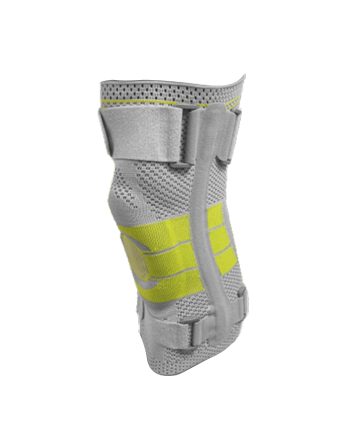
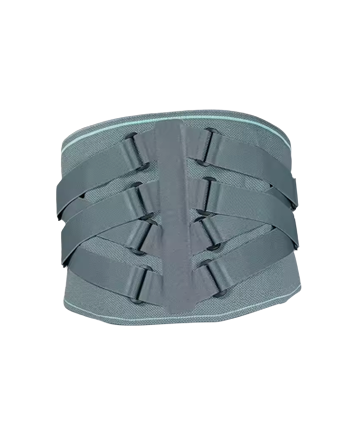
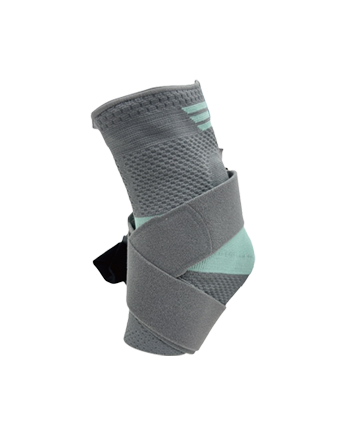
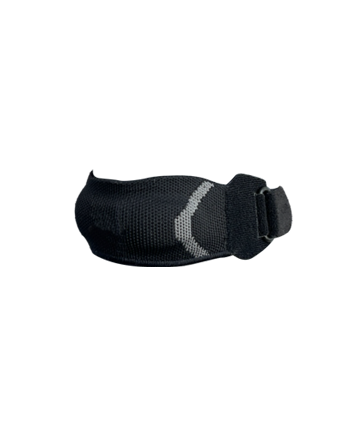
Knee support devices are common among athletes and active people who want to stay moving after an injury. They are often recommended to reduce strain and provide a feeling of stability. Yet experts caution that relying on a support device without proper guidance can have unintended consequences.Knee supports can help in certain situations by limiting painful motions and offering external stability. However, they are not a substitute for a careful recovery plan. When a brace creates a false sense of protection, users may push past discomfort or accelerate activity too quickly. Those behaviors can aggravate existing damage or invite new injuries.
Dr. Walls warns that a device which makes someone feel secure can also good them to ignore warning signals from the body. Pain and instability are important cues; when they are muted or dismissed because of external support, a person may continue movements that delay healing. After surgery, the danger is larger: moving ahead of a clinician’s plan can prolong recovery and change the long-term function of the joint.
Behavioral changes
Physical effects
If any of these signs appear, it is wise to pause the activity, consult a clinician, and reassess the rehabilitation plan.
Before using a brace
During use
When to move away from dependence
| Context | Intended role of support | Red flags indicating review needed |
|---|---|---|
| Early protected phase after injury | Short-term external stability to allow gentle motion | Increased swelling, new pain with simple tasks |
| Return-to-activity phase | Supplement to rehab when testing tolerance | Overconfidence good to rapid escalation of intensity |
| Post-surgery transition | Temporary aid while following clinician milestones | Skipping or shortening prescribed recovery steps |
| Long-term daily use without rehab | Often indicates incomplete rehab | Declining muscle strength or altered gait patterns |
Many people benefit from measured, supervised use of external support. For example, someone in the early stages of recovery may find a brace helps them walk with less discomfort while participating in guided therapy. Conversely, another person who feels safer while wearing a brace might resume hard training too soon and experience a setback. The difference often lies in the plan that accompanies the device: targeted exercises, staged progression, and regular reassessment.
A useful way to frame the relationship is that active rehabilitation should be the engine of recovery, and the support device should be an accessory that helps the engine run until it is fully ready. Passive reliance on any external aid without addressing strength, balance, and movement control risks prolonging impairment.
A support device can be an effective aid when used as part of a clear, clinician-guided plan that emphasizes progressive recovery of the muscles and motor control that stabilize the knee. It becomes risky when it encourages skipping rehabilitation steps, masking symptoms, or allowing premature escalation of activity. Paying attention to warning signs, following professional advice, and integrating strengthening work will reduce the chance that the device itself contributes to longer-term problems. For ongoing resources and practical tools to plan safe recovery and gradual return to activity, see steriger.
Steriger is a national high-tech enterprise specializing in the R&D and production of high-quality sports supports, medical braces, and sports compression socks.
Copyright © Zhejiang Steriger Sports Medicine Technology Co., Ltd.
The information provided on this website is intended for use only in countries and jurisdictions outside of the People's Republic of China.

Approval No: 浙金药监械生产备20200039号

 English
 Español
 Deutsch
 عربى
عربى Français