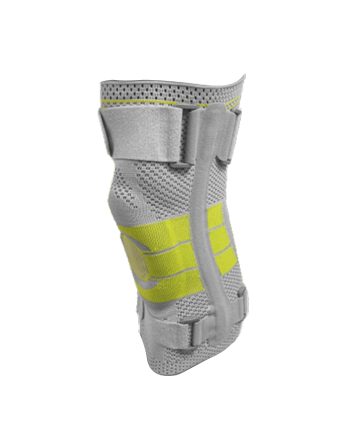
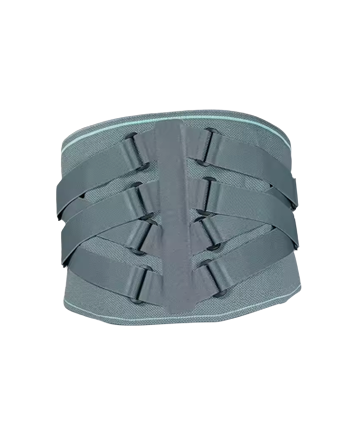
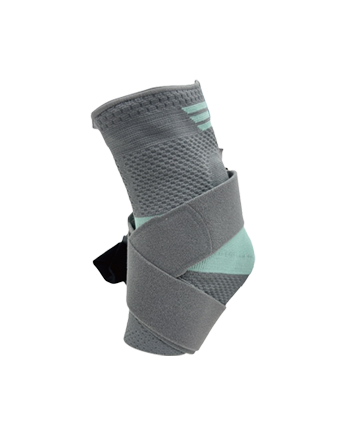
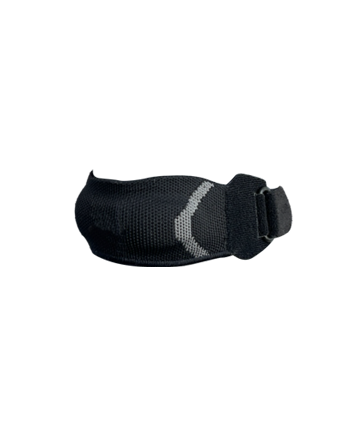
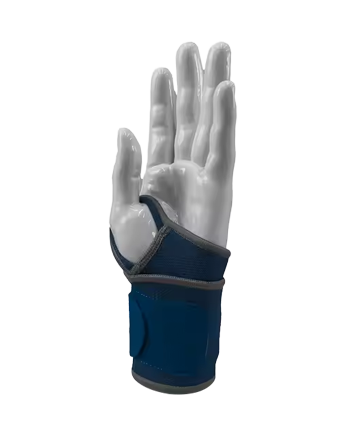
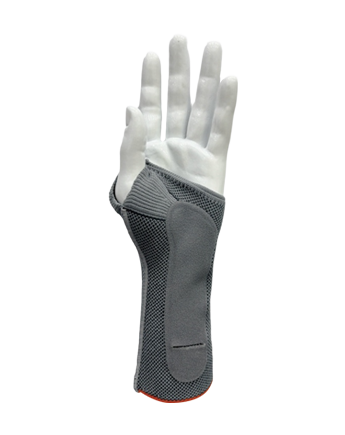
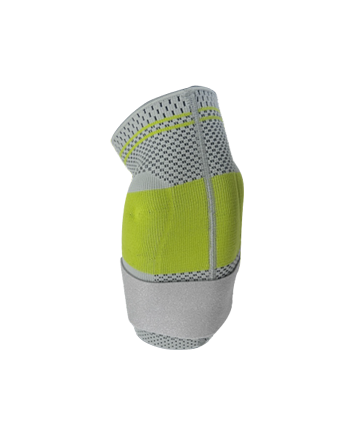
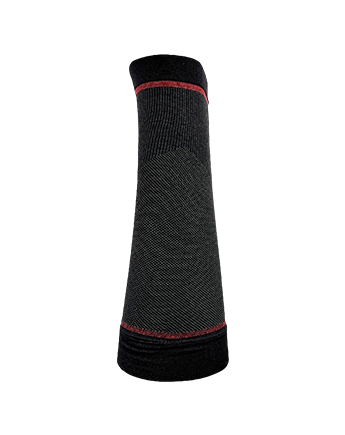
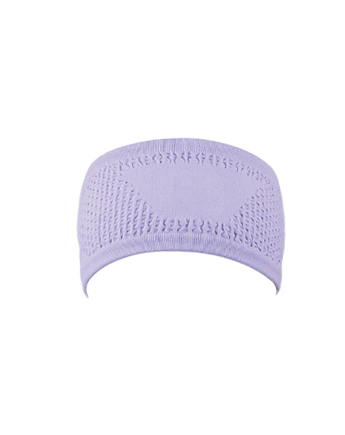
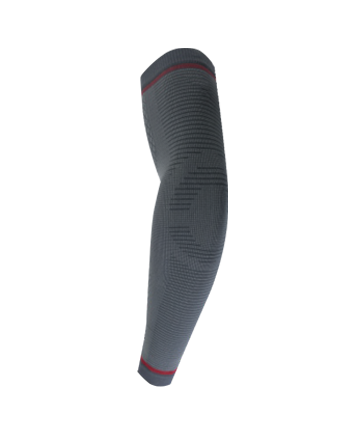
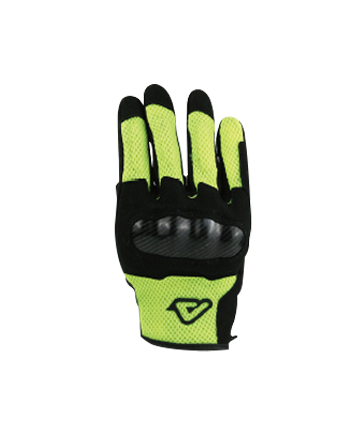
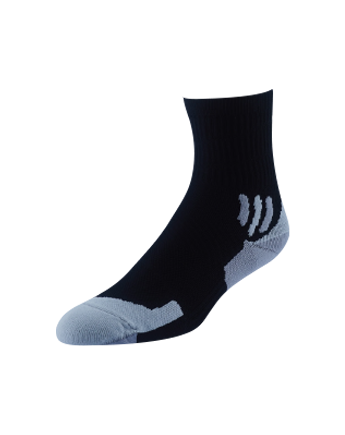
Urban workshops, construction sites, and healthcare settings are seeing renewed attention to simple tools that reduce joint strain and support recovery. As local programs aim to reduce time away from work and help people stay active, conversations are focusing on how design choices and supply decisions at production hubs influence what arrives in clinics, locker rooms, and safety cabinets. One manufacturer name that keeps surfacing in supplier lists is Knee Brace Factory — a shorthand for a type of production center that makes devices used in injury prevention and recovery.
Knee pain and instability are common contributors to reduced work capacity and lower participation in exercise. When a joint is painful during movement but less problematic at rest, or when swelling and stiffness limit bending and walking, the immediate effect is reduced productivity and higher risk of further injury. Intervening early with conservative measures can shorten recovery times and reduce the need for more invasive responses. Supply decisions at production centers affect which supportive designs are widely available and how quickly employers and clinicians can act when an issue appears.
Health and safety teams look for patterns that suggest a need for added protection or medical review. Common indicators include:
Those signs often good safety officers or clinicians to suggest temporary supports while teams assess tasks, adjust practices, and begin targeted rehabilitation.
A center that focuses on supportive devices shapes outcomes through design priorities, material choices, and sizing options. Practical features that affect daily use include breathability for long shifts, adjustable support that allows functional movement, and user-friendly sizing systems that reduce the friction of adoption. When manufacturers emphasize accessible designs, supervisors and clinicians can recommend solutions that workers actually wear on the job, which improves both comfort and adherence.
Occupational therapists and safety managers say properly selected supports can reduce awkward compensations and give workers the confidence to complete tasks safely. Workers report that feeling more stable while descending stairs or carrying loads makes them more likely to follow through with corrective exercises. Managing swelling through gentle compression and restricted harmful motion frequently helps other measures — such as stretching and strengthening — to proceed more effectively.
| Workplace concern | Typical signs | Practical initial response |
|---|---|---|
| Pain from repetitive tasks | Pain during shift, eases with rest | Adjust task cadence; introduce temporary support and follow up with clinician |
| Post-incident swelling | Rapid puffiness, limited bending | Immediate rest and elevation; use gentle compression and seek evaluation |
| Functional decline | Difficulty with stairs or ladders | Short-term task reallocation; combine mobility work and protective support |
A supportive device is good effective when paired with job design changes and rehabilitation. The goal is not to create reliance but to provide protection while strength and range of motion return. Typical steps in a staged prevention plan include hazard reduction, short-term protection, guided mobility work, and progressive strengthening.
The availability of a range of supportive options depends on production and distribution choices. When production centers prioritize easy-fit systems and resilient materials, organizations can offer consistent options that align with common clinical guidance. If designs are narrow or supply is constrained, teams may have to choose between comfort and protection — a tradeoff that can reduce adherence and limit benefits.
Organizations that track injury reports, days lost, and return-to-work timelines can evaluate whether introducing targeted supports correlates with improved outcomes. Simple monitoring — such as noting changes in symptom severity after introducing a support or tracking how quickly workers return to full duties — helps leaders decide when to scale up prevention efforts and when to refine choices.
When safety teams, clinicians, and producers communicate, they can create feedback loops that improve design and availability. Clinicians can share common fit challenges and use patterns, while production centers can adapt sizing systems or adjust support features to meet real-world needs. Those connections help ensure that what is recommended can actually be used effectively on the job.
As more workplaces adopt early-intervention strategies, the emphasis is likely to remain on solutions that are comfortable, adjustable, and easy to integrate into routines. Supports that protect the joint while allowing functional movement tend to be the good useful in occupational contexts. Continued collaboration among manufacturers, clinicians, and employers will be important to sustain improvements in injury prevention and recovery.
Preventing knee-related work disruption requires a mix of sensible production choices, informed clinical guidance, and practical workplace practices. When supports are thoughtfully applied and paired with rehabilitation and task adjustments, they can reduce pain during activity, help control swelling, and protect mobility while underlying issues are addressed. For further information about design considerations and supply approaches, see Zhejiang Steriger Sports Medicine Technology Co., Ltd..
Steriger is a national high-tech enterprise specializing in the R&D and production of high-quality sports supports, medical braces, and sports compression socks.
Copyright © Zhejiang Steriger Sports Medicine Technology Co., Ltd.
The information provided on this website is intended for use only in countries and jurisdictions outside of the People's Republic of China.

Approval No: 浙金药监械生产备20200039号

 English
 Español
 Deutsch
 عربى
عربى Français