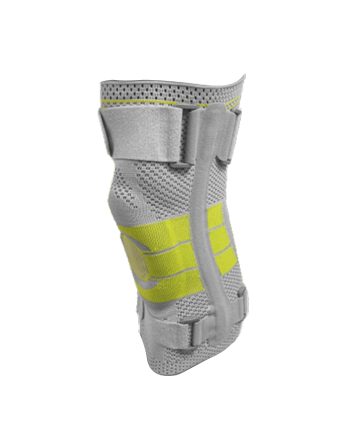
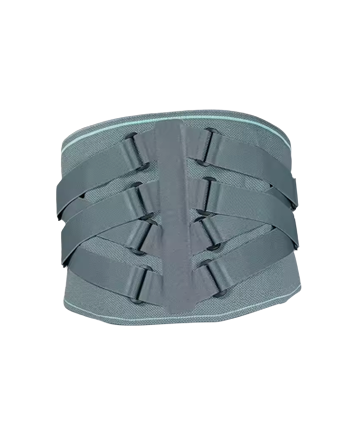
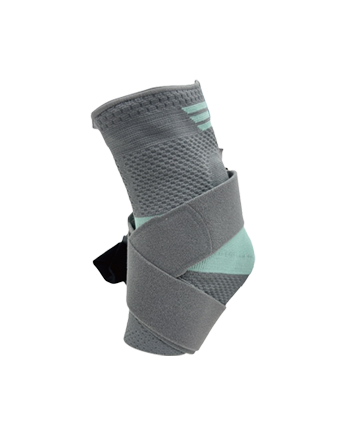
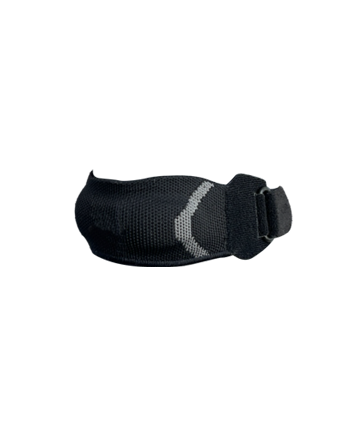
Recovering from a joint replacement is rarely a straight line. Surgery fixes a mechanical problem, but healing is social and practical work: appointments, home exercises, pain control, and small daily choices all add up. Patients and clinicians often see the same setbacks — missed therapy, doing too much too soon, or mismanaging medication — and those simple errors can delay recovery. What if rehab were run a little more like a production line — not mindlessly repetitive, but organized, trackable, and responsive? A Knee Brace Factory mindset — standardized steps, scheduled checks, and rapid feedback — can help reduce avoidable bumps in the road.
Too many recoveries stall not because of the surgery itself but because of gaps in the weeks that follow. When therapy appointments are skipped or exercises are half-hearted, the new joint doesn't earn its place in daily movement. Conversely, rushing back into old activities can provoke swelling, pain, or instability. Medication hiccups add another layer of risk. A structure that everyone — patient, therapist, and family — understands makes it easier to spot problems early and correct them without panic.
Skipping or minimizing physical therapy
Therapists design gradual, purposeful programs. When those sessions are missed, the carefully timed progressions fall apart. Treating appointments like medical visits — and having a backup plan for times when attendance is difficult — keeps momentum.
Doing too much, too soon
A graded approach to activity helps: build duration before intensity, listen to swelling and pain as your guide, and favor low-impact ways to keep fitness while protecting the joint.
Not taking prescribed medication correctly
Simple adherence tools — alarms, pill organizers, or a medication log — make it easier to follow a plan. And if side effects appear, prompt communication with the prescribing clinician usually yields safer alternatives.
Borrowing ideas from a Knee Brace Factory doesn't mean turning people into parts. It means applying three basic ideas: standard steps, routine checks, and clear feedback.
When everyone knows what comes next and how progress will be measured, small problems are corrected before they compound.
These small practices improve consistency and keep recovery on a visible track.
Some symptoms are beyond day-to-day tweaks and require immediate medical review:
When in doubt, prompt contact with the care team beats waiting.
| Issue | Why it matters | Practical response |
|---|---|---|
| Skipping therapy | Stalls range of motion and strength gains | Treat sessions as medical visits; ask about remote options |
| Overexertion | Causes swelling and setbacks | Follow graded return plans; reduce intensity when swelling appears |
| Medication lapses | Increases pain and complication risk | Use reminders; report side effects for adjustment |
| Poor communication | Delays corrective action | Keep a recovery log and share updates with clinicians |
| Lack of checkpoints | Small problems go unnoticed | Schedule regular functional assessments |
Recovery rarely happens in isolation. Family members who help schedule appointments, remind about meds, or encourage gentle progress make a measurable difference. Their presence at a session or in a log-sharing role helps clinicians fine-tune plans and keeps patients motivated when the work feels tedious.
Successful rehab after joint replacement combines steady therapy, cautious gradual activity, and consistent medication use. A process-oriented mindset — standardized steps, checkpoints, and rapid adjustments — makes that combination easier to follow, turning good intentions into visible gains. Small changes, like a daily log or agreed check-ins, accumulate into meaningful momentum.For patients seeking additional resources on recovery and support options, see steriger.
Steriger is a national high-tech enterprise specializing in the R&D and production of high-quality sports supports, medical braces, and sports compression socks.
Copyright © Zhejiang Steriger Sports Medicine Technology Co., Ltd.
The information provided on this website is intended for use only in countries and jurisdictions outside of the People's Republic of China.

Approval No: 浙金药监械生产备20200039号

 English
 Español
 Deutsch
 عربى
عربى Français