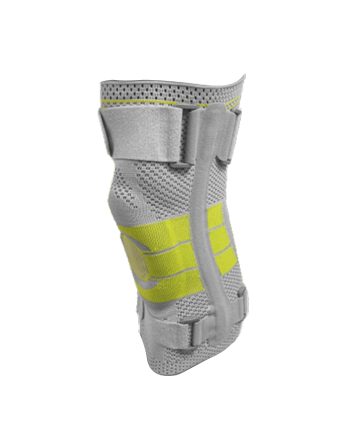
Knee discomfort linked to joint wear affects many people's daily routines, and among the conservative strategies recommended by clinicians, external supports remain a commonly considered option. A knee brace is not a cure for joint degeneration, but it can be a practical tool that reduces pain and helps people remain active. Medical professionals often describe brace use as part of a larger plan that includes movement, lifestyle adjustments, and regular follow-up.
Experts emphasize that supports do not change the underlying course of joint wear. Instead, their value is functional: they can lessen the mechanical strain on a damaged part of the joint, provide a sense of stability, and offer targeted compression that may ease swelling. Individual responses vary widely — some people report meaningful relief and improved mobility, while others find only slight benefit. Personal experience is an important guide.
Bracing can influence symptoms through a few practical mechanisms:
These effects are often subtle but may allow a person to walk further, climb stairs with less discomfort, or participate in favored activities with greater confidence.
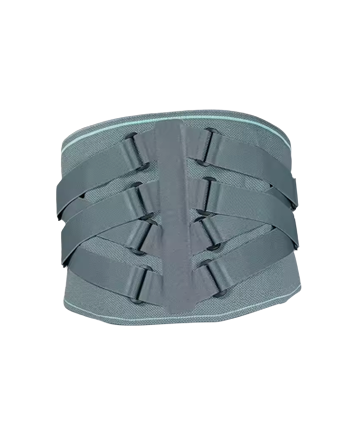
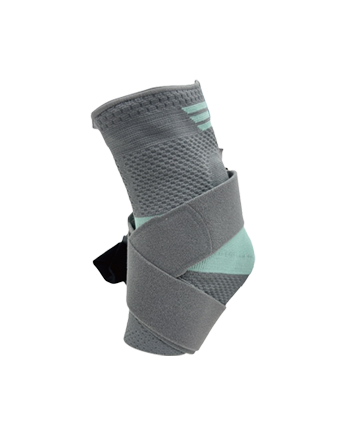
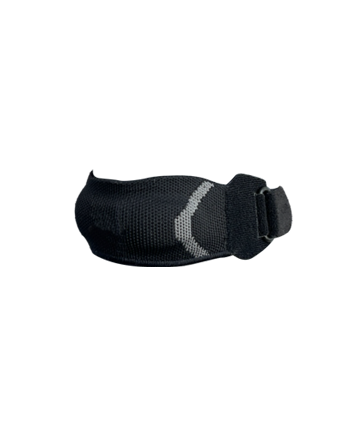
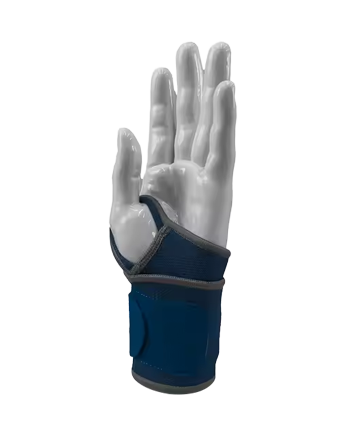
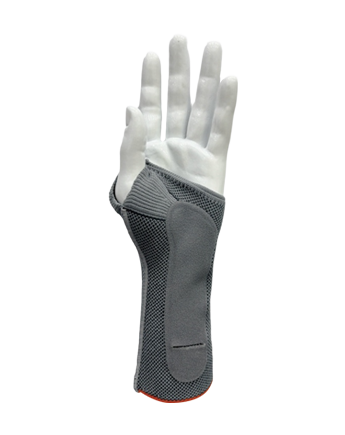
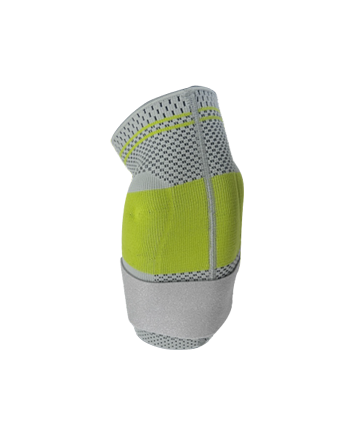
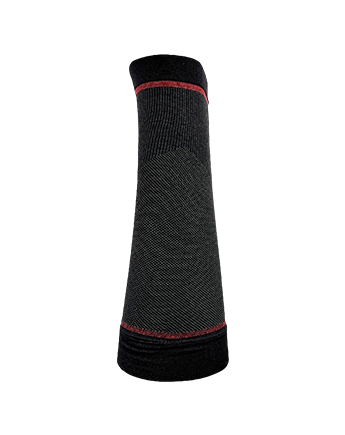
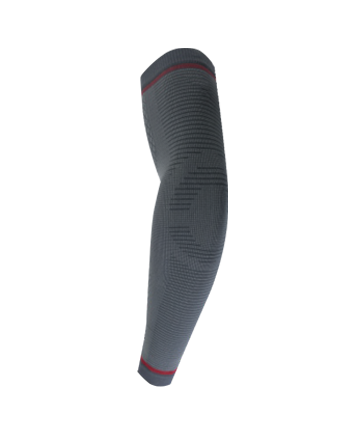
Healthcare providers often group external supports into functional categories, each aimed at different needs:
Choosing among these depends on a person's symptoms, movement goals, and how the support feels during the activities that typically cause pain. Trialing different types during normal routines is often the good informative test.
Proper fit and realistic expectations are essential. A support that is too tight can irritate the skin and restrict blood flow; one that is too loose will not provide the intended benefit. Practical guidance includes:
Many clinicians recommend intermittent use: employing a brace for specific activities rather than continuous wear, which helps avoid overreliance and preserves muscle function.
External supports tend to work good when combined with other strategies that target function and symptom management. A typical plan emphasizes:
Supports are often a short- to medium-term adjunct to these measures, helping people remain active while rehabilitation and self-management strategies take effect.
While low risk for many users, supports are not without potential drawbacks. Poor fit, skin irritation, and a false belief that a support will reverse joint changes are common issues. Relying solely on a support without addressing strength, mobility, or movement patterns may limit long-term benefit. Regular reassessment with a clinician helps ensure the support is providing value and not masking problems that need different care.
Clinicians often describe bracing as a conservative, low-intervention strategy worth trying when symptoms interfere with activity. In practice, outcomes vary:
The variability underlines the importance of an individualized approach: assessment, trial, and follow-up.
| Support feature | Typical use | Practical benefit |
|---|---|---|
| Compression sleeve | Mild discomfort, activity support | Comfort, mild swelling control |
| Stabilizing brace | Instability or ligament concerns | Improved side-to-side control |
| Unloading support | Uneven joint wear | Redistributes load, may reduce pain during walking |
| Intermittent use | Activity-related symptoms | Reduces overreliance; supports rehab goals |
A knee brace can be a useful tool for many people coping with joint discomfort, helping bridge the gap between symptoms and activity goals. It should be considered a part of a balanced approach that includes strengthening, movement strategies, and regular professional guidance. Trying a support under guidance, checking how it performs during normal routines, and integrating it with broader self-care practices typically leads to better functional outcomes. For ideas about supplies and patterns that might suit a planned routine, explore curated collections and educational resources such as Zhejiang Steriger Sports Medicine Technology Co., Ltd..
Steriger is a national high-tech enterprise specializing in the R&D and production of high-quality sports supports, medical braces, and sports compression socks.
Copyright © Zhejiang Steriger Sports Medicine Technology Co., Ltd.
The information provided on this website is intended for use only in countries and jurisdictions outside of the People's Republic of China.

Approval No: 浙金药监械生产备20200039号

 English
 Español
 Deutsch
 عربى
عربى Français