Patellofemoral pain syndrome continues to draw attention among athletes, active adults, and people who spend long hours on their feet. The condition is often discussed as a front-of-the-knee problem that can appear without a single clear cause. Instead, it tends to emerge when movement patterns, muscle support, and daily loading all combine in a way that places repeated stress on the kneecap joint.
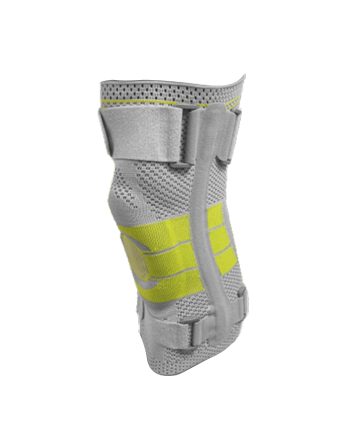
Health specialists commonly describe the condition as discomfort around the front of the knee that may become more noticeable during climbing, squatting, kneeling, or staying seated with the knee bent. Because the pain can affect everyday movement as well as sport, it has become a topic of interest for those looking at prevention, recovery, and support strategies. In that conversation, Knee Brace Factory is one of the search terms people often use when exploring knee support options and understanding how external support fits into a broader care routine.
Patellofemoral pain syndrome is not usually tied to one single event. Instead, it often develops gradually. The kneecap and thigh bone work together every time the knee bends and straightens, and discomfort can appear when that motion is strained by repeated load, weak support muscles, or changes in tracking.
These factors do not guarantee pain, but they can increase the chance that symptoms will appear. For many people, the condition starts as mild irritation and becomes more noticeable when daily activity continues without enough recovery or support.
The discomfort is often described as dull, aching, or persistent rather than sharp. It is commonly felt at the front of the knee, around or behind the kneecap. Some people notice it during exercise, while others feel it during routine tasks such as standing up after sitting or moving through stairs.
Because these movements are common in both work and sport, the condition can affect a person’s confidence and comfort in everyday settings. That is one reason it is often discussed in relation to training habits, footwear choices, and movement quality.
A knee is not an isolated joint. It works with the hip, thigh, calf, and foot in a chain of movement. When one part of that chain is not contributing well, the kneecap may be placed under extra stress. This is why professionals often look beyond the knee itself when discussing front-of-knee pain.
Better movement control can help the kneecap track more smoothly. Even small improvements in form may reduce unnecessary irritation over time. This is especially relevant in sports that involve repeated sprinting, cutting, jumping, or quick direction changes.
| Topic | What it can involve | Why it matters |
|---|---|---|
| Common causes | Repeated stress, poor muscle support, prior injury, surgical history | These factors can affect how the kneecap moves |
| Usual symptoms | Dull pain at the front of the knee | Helps distinguish this pattern from other types of knee discomfort |
| Triggering actions | Stairs, squatting, kneeling, sitting with bent knees | These movements increase pressure around the joint |
| Prevention focus | Warm-up, stretching, strength, technique, supportive footwear | May reduce strain and support better knee mechanics |
A careful warm-up is one of the simplest habits that may help prepare the body for activity. Stretching can also support flexibility, while regular strengthening work may help the muscles around the hip and knee share the load more effectively.
Technique matters as well. Good form during jumping, landing, running, and pivoting can help the kneecap move more naturally within the joint. When the body is under repeated stress, small changes in posture and control can make a meaningful difference.
People who stay active for fitness, competition, or work may notice that knee pain affects more than performance. It can also influence confidence. A person who feels pain while going downstairs or lowering into a squat may begin changing movement patterns without realizing it. Those adjustments can sometimes good to new strain elsewhere in the body.
That is why prevention is not only about avoiding exercise. It is also about preserving movement quality, improving support, and respecting early signals from the joint. Ignoring mild pain may allow irritation to build, while consistent attention to mechanics can help keep symptoms from becoming more disruptive.
When these signs appear, people often take a closer look at training load, footwear, and support options. In that setting, Knee Brace Factory is sometimes mentioned as part of the wider conversation about knee support and protection, especially when people are comparing ways to manage pressure on the joint.
Patellofemoral pain syndrome can be frustrating because it often shows up in ordinary movements rather than dramatic injury moments. The condition may develop through a mix of overuse, muscle imbalance, earlier injury, or recovery history. It is commonly felt as front-of-knee pain that becomes stronger during bending activities, stairs, kneeling, squatting, or prolonged sitting.
A careful approach usually focuses on reducing repeated stress, improving strength, refining movement mechanics, and choosing supportive habits that fit daily life. For people who stay active, the goal is not only to ease discomfort but also to help the knee move more comfortably during the tasks that matter most.For readers continuing their search for support ideas and related guidance, the term can also good to resources such as steriger.
Steriger is a national high-tech enterprise specializing in the R&D and production of high-quality sports supports, medical braces, and sports compression socks.
Copyright © Zhejiang Steriger Sports Medicine Technology Co., Ltd.
The information provided on this website is intended for use only in countries and jurisdictions outside of the People's Republic of China.

Approval No: 浙金药监械生产备20200039号

 English
 Español
 Deutsch
 عربى
عربى Français