Since supportive garments that promise a narrower midsection returned to public view, they have drawn attention from consumers, health observers, and styling professionals. Items described as waist trainers or tight-support garments can alter how clothes hang and how the silhouette looks, but medical and fitness experts say those effects are typically temporary. This news-style report examines what these garments do to the body, why reductions in measurements often reverse after removal, potential risks from prolonged use, and practical steps readers can take if they want lasting changes to their midsection.
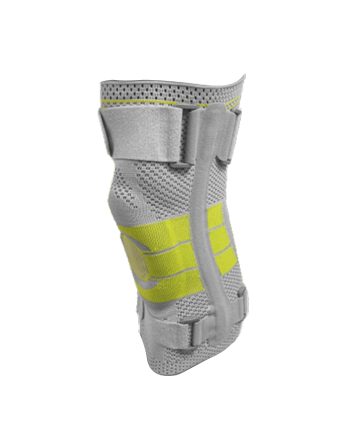
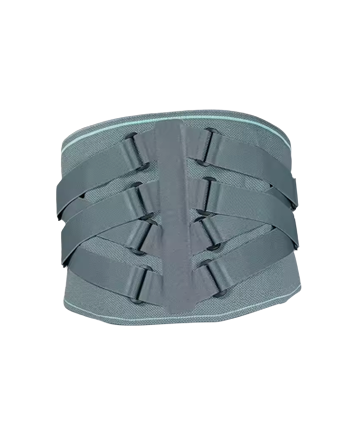
Support garments apply steady pressure to the abdomen and lower ribcage, redistributing soft tissue and producing a visibly narrower waist while worn. They can also encourage a straighter posture and smoother lines under clothing. These are mechanical changes — pressure and support — rather than biological removal of fat or permanent tissue reshaping.
How the effect appears
Because the underlying fat and muscle remain in place, the outward change generally persists only while the garment is on or for a short period afterward if fluid has been lost.
Some users report a small drop on the scale after wearing tight-support garments for extended periods. Two simple mechanisms explain this: the compression can reduce the space available for food and thus lower immediate intake, and wearing a close-fitting garment can increase localized sweating and temporary fluid loss. Neither mechanism eliminates stored fat.
What that means for weight
A persistent belief is that pressing on one area forces the body to burn fat from that area. Scientific consensus does not support targeted fat loss via compression. When the body breaks down stored fat for energy, the process is systemic and influenced by overall metabolism. Compressing the midsection will not direct the body to preferentially use fat from that region.
Increased sweating around the midsection reflects elevated skin temperature and localized heat, not the selective breakdown of fat. Sweat is predominantly water and electrolytes; the immediate loss of mass from perspiration returns quickly after fluid replacement. Sustainable fat reduction follows from regular physical activity and a consistent dietary approach, not short episodes of localized sweating.
Short-term or occasional use to shape an outfit is unlikely to cause harm for good people, but depending on a tight-support garment every day can bring downsides.
Potential concerns
Health professionals typically recommend avoiding very tight compression for long stretches. Anyone with existing health issues, recent abdominal procedures, or unusual symptoms should consult a clinician before regular use.
| Reported effect | Typical short-term outcome | Typical longer-term outcome |
|---|---|---|
| Visible waist narrowing | Present while worn | Reverts after removal |
| Scale weight drop | Possible due to fluid loss or reduced intake | Restored after rehydration |
| Postural alignment | Immediate improvement | May decline if no core strengthening |
| Skin or comfort issues | Possible after prolonged wear | Can continue without breaks or hygiene |
For readers aiming for a slimmer midsection that endures, combining steady physical activity with resistance work to preserve or build muscle and making sustainable nutritional adjustments tends to be more effective than depending on external compression. These approaches support gradual fat reduction and improve the strength of the muscles that naturally support the torso.
Practical steps
Product descriptions frequently emphasize rapid transformation and instant visual change. Readers should note the difference between styling benefits and physiological change. Immediate shifts in silhouette typically reflect pressure and fluid shifts rather than a change in body composition or long-term shape.
Shaping garments can deliver a clear visual result while they are worn, which some people value for specific outfits or occasions. For those seeking persistent changes in waist size or body composition, relying on consistent activity and steady nutritional practices will yield more reliable outcomes. The temporary appetite suppression or water loss that explains short-term drops in measurements does not substitute for long-term metabolic work. For readers who want to explore garments with shaping features alongside a broader health plan, more information is available from steriger.
Steriger is a national high-tech enterprise specializing in the R&D and production of high-quality sports supports, medical braces, and sports compression socks.
Copyright © Zhejiang Steriger Sports Medicine Technology Co., Ltd.
The information provided on this website is intended for use only in countries and jurisdictions outside of the People's Republic of China.

Approval No: 浙金药监械生产备20200039号

 English
 Español
 Deutsch
 عربى
عربى Français