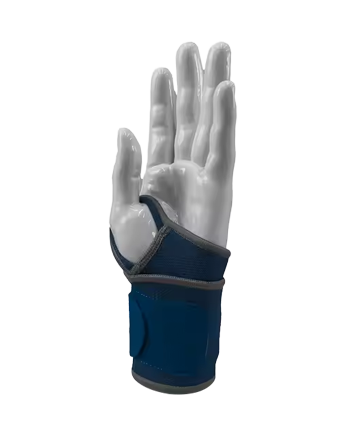
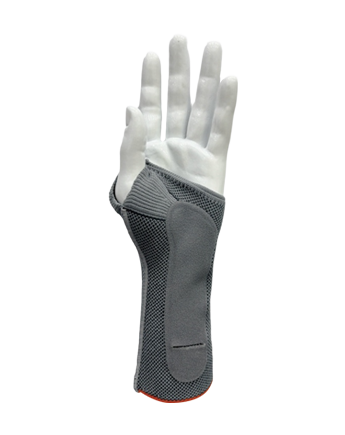
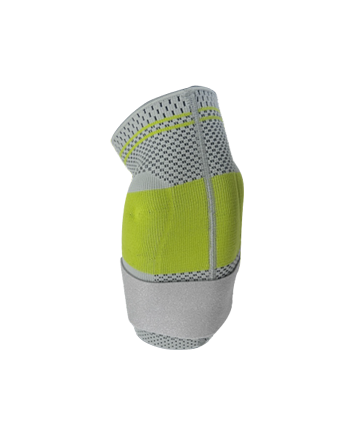
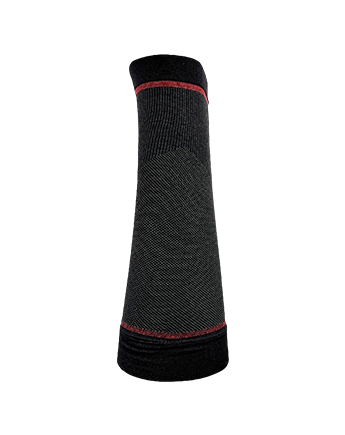
A growing conversation around how broken bones and soft-tissue injuries are supported has moved beyond clinics and into local manufacturing. As demand for personalized and comfortable supports rises, a new look at the roles of casts, splints and braces is unfolding — and the presence of a nearby Brace Factory is shaping both supply chains and patient expectations. Medical providers, rehabilitation specialists and patients say that a closer link between care teams and makers can speed adjustments, reduce waste, and help people return to daily life with fewer disruptions.
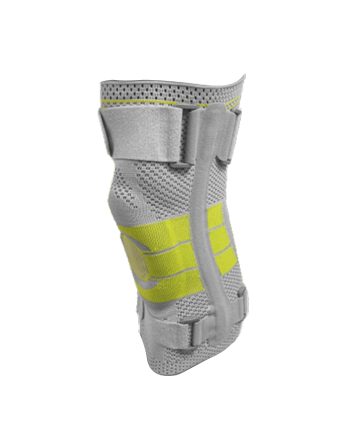
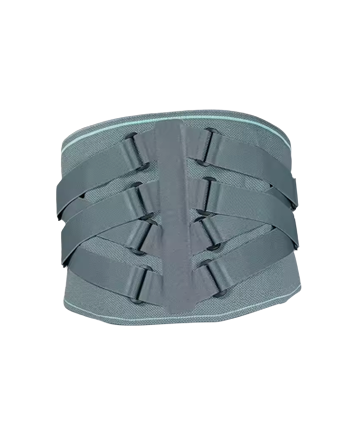
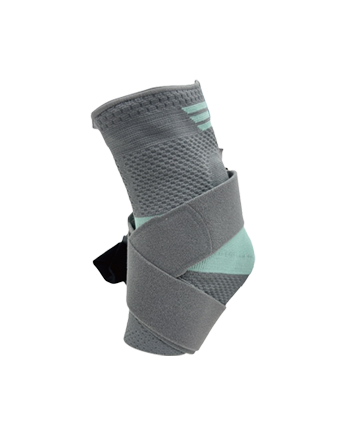
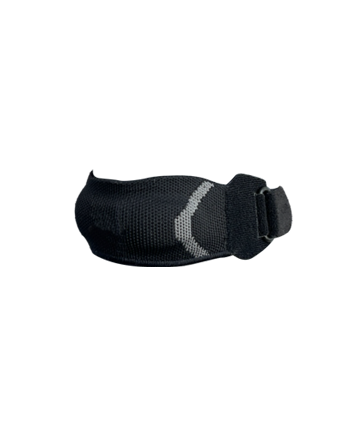
Health professionals describe three familiar options for supporting injured limbs: rigid casts, semi-rigid splints and removable braces. Each serves a different clinical purpose, balancing protection with daily livability. Recent shifts in production — including smaller-scale fabrication and quicker turnaround for customized supports — are prompting debate about when and how each option should be used. The conversation touches on clinical outcomes, patient comfort, cost control and techniques for safe recovery.
Having a Brace Factory closer to hospitals and clinics can shorten the time between prescription and delivery. Clinicians note several potential benefits:
Manufacturers caution that not every case requires a custom-made support; standard devices remain appropriate in many situations. Still, the proximity of production does open possibilities for iterative fitting and better integration with rehabilitation plans.
People wearing casts often report a sense of security but also limitations: difficulty with bathing, selecting clothing, and performing routine tasks. Splints can feel lighter and more forgiving, yet they may require careful monitoring to ensure stability. Braces are commonly chosen for recovery stages when controlled movement is helpful; they let users participate in guided exercises while still protecting vulnerable joints.
Real-world tips patients find useful
Physicians and therapists weigh several factors when recommending a support device: injury type, stage of healing, swelling, patient activity level, and rehabilitation goals. Common patterns include:
Clinicians emphasize that the decision is not only technical; patient preferences and daily responsibilities often guide the final choice.
| Support type | Typical clinical use | Mobility allowed | Removability | Comfort considerations |
|---|---|---|---|---|
| Cast | Stabilize definite fractures | Low | No (until removed by clinician) | Can feel bulky; needs skin care at edges |
| Splint | Initial stabilization; swelling expected | Moderate | Often removable | Adjustable fit; easier hygiene |
| Brace | Recovery, ligament support, chronic instability | Higher | Usually removable | Allows activity; fit and padding matter |
Medical teams remind patients to watch for warning signs that require prompt attention: escalating pain, numbness, color changes in fingers or toes, sudden swelling, or unusual odor or drainage. These may indicate that the support is too tight, that circulation is compromised, or that an infection has begun. Clear instructions about elevation, activity limits and follow-up appointments reduce the chance of complications.
After immobilization, structured rehabilitation helps restore function. Physical therapy programs typically progress from gentle range-of-motion work toward strengthening and balance training. Clinicians may recommend a brace during the transition phase to reduce re-injury risk while increasing load and motion. Communication between the therapist, prescribing clinician and manufacturing team helps ensure a device supports the planned exercises.
Smaller, local manufacturing lines can lower shipping needs and support reuse or recycling programs for non-biological materials. At the same time, rapid production of single-use items may increase consumption if not managed carefully. Providers and fabricators are exploring more sustainable materials and recycling pathways, alongside options for refurbishing removable devices when safe.
The convergence of clinical insight and nearby fabrication encourages a more iterative approach: clinicians can see a prototype, request modifications, and deliver a device that better fits a patient’s day-to-day needs. For healthcare systems, this can mean fewer follow-up refits and fewer supply shortages during peak demand. For patients, it may translate into supports that are easier to live with during the healing window.
When discussing support options, ask the clinician about expected changes during healing, whether adjustments are anticipated, and how hygiene will be managed. If a customized device is proposed, clarify timelines and the plan for follow-up fitting. Practical strategies such as clothing adaptations, protective padding, and staged activity plans help people maintain independence while protecting recovery.
As local production and clinical practice come closer together, the way supports are prescribed and delivered is changing. A responsive supply chain — one that might include a community Brace Factory — can enable faster adaptations and closer collaboration, benefiting both care teams and patients. For more resources and links to rehabilitation guides, visit steriger.
Steriger is a national high-tech enterprise specializing in the R&D and production of high-quality sports supports, medical braces, and sports compression socks.
Copyright © Zhejiang Steriger Sports Medicine Technology Co., Ltd.
The information provided on this website is intended for use only in countries and jurisdictions outside of the People's Republic of China.

Approval No: 浙金药监械生产备20200039号

 English
 Español
 Deutsch
 عربى
عربى Français