An increasing number of athletes, travelers, and everyday exercisers are turning to fitted compression garments as a straightforward way to support recovery and comfort. Among these items, the arm sleeve has gained attention for its blend of simple design and functional intent. Sports therapists and users say that, when worn correctly, such sleeves can contribute to circulation, reduce swelling, and provide a steadying feel during repetitive motion — all without adding complexity to a training routine.
Compression garments began life in clinical settings, where measured pressure helped manage circulation and tissue healing. In recent years, that medical idea has migrated into activewear and recovery gear. The result is a wider public conversation about when and how compression can be helpful beyond clinical use. Reporters who spoke with trainers and physiotherapists found a common theme: the effects of compression depend on fit, activity type, and consistent use patterns.
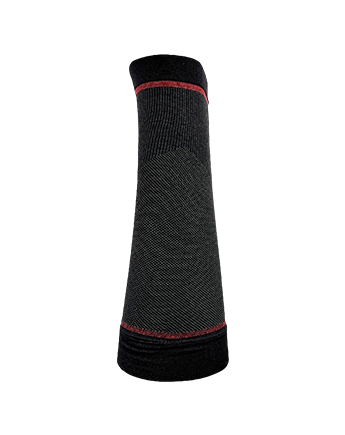
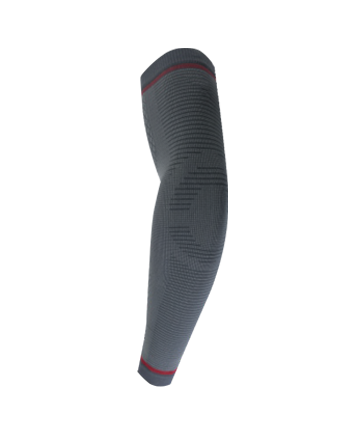
Modern sleeves typically combine elastic fibers with woven or knit base yarns to deliver both stretch and structure. These blends let the sleeve conform closely to the limb while returning to shape after repeated use.
Manufacturers often vary knit density or weave across a sleeve so pressure is applied in a controlled way. That design helps focus support where it is needed without adding bulky features.
Breathable textures and seam placements are chosen to reduce irritation during long wear. The goal is a garment that feels snug rather than restrictive so wearers can maintain normal movement.
Experts stress that the fabric and construction are what allow the sleeve to provide gentle pressure — a key distinction from loose-fitting clothing that does not alter circulation or tissue motion.
Compression sleeves work by creating a pressure environment that influences circulatory dynamics and soft tissue behavior. In practical terms, that means:
The sleeve’s pressure gradient helps guide venous return toward the heart, which can improve nutrient delivery to active tissue and speed the clearance of metabolic byproducts.
By limiting the space where fluid can collect, compression may reduce visible swelling after prolonged activity or during recovery.
Close-fitting fabric dampens muscle vibration and limits excessive oscillation that can contribute to microtrauma over repeated impacts.
Clinicians note that these mechanisms are simple and mechanical: they alter how the limb interacts with forces and with blood flow, rather than delivering any chemical treatment.
Users and practitioners point to several practical advantages that are commonly reported:
Many people wear sleeves after intense activity to reduce feelings of heaviness or soreness and to aid a return to activity sooner.
Travelers or people who stand for long periods sometimes find sleeves help limit the buildup of fluid and associated discomfort.
For workers or athletes who perform repeated arm motions, a sleeve can provide a steadying sensation that may lower perceived effort.
Professionals emphasize that sleeves are typically good effective when combined with proper training, hydration, and rest strategies.
It is important to treat these as potential outcomes rather than guaranteed effects; individual responses vary according to physiology and use patterns.
| Common use | Expected effect |
|---|---|
| Post-workout recovery | May reduce perceived soreness and support faster comfort restoration |
| Long travel or standing | Can limit fluid buildup and lessen limb heaviness |
| Repetitive motion tasks | Offers soft tissue stabilization and steadier muscle feel |
| Support during activity | Provides a snug sensation that some users find helpful for confidence |
A sleeve should feel snug but should not cause numbness or sharp discomfort. Users should be able to wear it for the intended period without circulatory issues.
Lighter compression works well for continuous wear, while firmer support may be chosen for targeted recovery sessions or during intense effort.
Stretching, progressive conditioning, and proper hydration remain central to performance and recovery. A sleeve complements those habits rather than replacing them.
Careful washing and storage preserve elasticity; a stretched-out sleeve will not deliver the same level of support.
Practitioners also recommend observing how the limb feels during and after use and adjusting duration accordingly.
While compression sleeves are low risk for many people, professionals advise consulting a clinician in certain situations:
A healthcare provider can help determine whether compression is safe and useful in an individual case and suggest suitable alternatives when needed.
Coaches and therapists interviewed for this piece reported that sleeves often serve as a “nudge” toward better recovery habits: they remind wearers to be mindful of rest and gradual progression. Several practitioners noted that psychological comfort — the sense that the limb is protected — can itself accelerate return-to-play confidence, even when physical changes are subtle.
At the same time, they caution against expecting dramatic shifts from a single garment. Real improvement typically comes from an integrated plan that includes movement variety, load management, and appropriate rest.
As interest in practical, low-effort supports grows, the arm sleeve stands out as a simple option that can fit into many daily routines. It is not a cure-all, but when chosen and used with attention to fit and intent, it can add measurable comfort and a stabilizing sensation during activity and recovery. For people curious about styles and how they might fit into a recovery plan, a careful trial during normal training or rest sessions can reveal whether the sleeve offers personal benefit. For further reference and inspiration, see steriger.
Steriger is a national high-tech enterprise specializing in the R&D and production of high-quality sports supports, medical braces, and sports compression socks.
Copyright © Zhejiang Steriger Sports Medicine Technology Co., Ltd.
The information provided on this website is intended for use only in countries and jurisdictions outside of the People's Republic of China.

Approval No: 浙金药监械生产备20200039号

 English
 Español
 Deutsch
 عربى
عربى Français