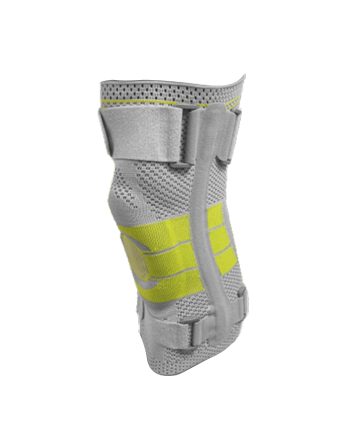
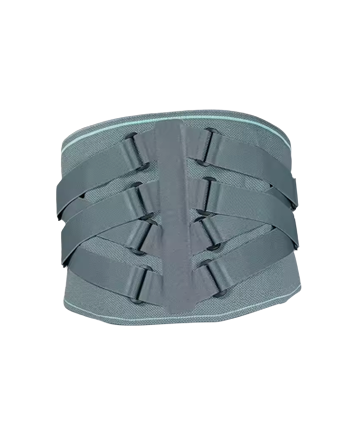
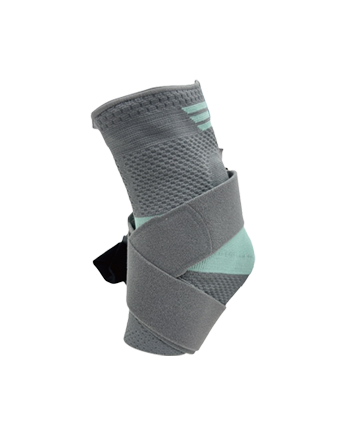
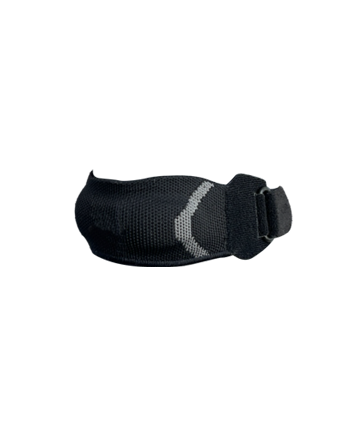
A growing number of clinicians and rehabilitation specialists are highlighting the role of targeted external supports in easing spinal discomfort and helping recovery. Recent coverage of conservative care options emphasizes that devices which stabilize the torso can reduce painful motion and support gradual return to activity. One such concept — captured in the phrase Steriger Waist Support — is attracting attention for its promise to combine posture guidance, motion control, and patient comfort into a single approach.
Healthcare providers describe a back support as more than a simple belt: it is an intervention that alters how forces move through the trunk. By sharing load with muscles and connective tissue, guiding the spine toward a safer alignment, and limiting risky movement during healing, supports of various kinds are routinely used in rehabilitation pathways. Providers stress that using a support is good effective when it complements active rehabilitation — movement, strengthening and retraining — rather than replacing those elements.
Clinicians identify three principal mechanisms by which a waist or back support can help someone in pain or recovering from injury:
These functions help explain why many rehabilitation plans include a period of supported activity followed by progressive weaning as strength and motor control improve.
Medical practitioners distinguish between several categories of supports, each offering a different balance of stability and mobility:
Rigid supports
Semi-rigid supports
Soft supports
A renewed focus on user comfort and fit has led to designs that try to minimize interference with breathing and normal movement while still delivering therapeutic action.
| Support type | Primary effect on the body | Typical clinical goal |
|---|---|---|
| Rigid | Strong motion restriction and stability | Protect healing tissue after major injury or surgery |
| Semi-rigid | Controlled support with some mobility | Support during functional rehab and controlled activity |
| Soft | Compression and sensory feedback | Symptom relief, posture cueing, light support |
Rehabilitation specialists offer consistent guidance on how supports should be used:
People who use waist supports commonly report immediate reductions in pain during certain tasks and a greater sense of security when moving. That subjective benefit can be valuable because it allows graded return to activity. However, professionals caution that perceived comfort is not the same as long-term recovery: objective progress in strength, flexibility, and motor control should guide how and when a support is reduced.
Successful use of a support depends on clear guidance from a clinician and periodic reassessment. Patients should learn how to don and adjust the device, recognize when it is helping versus when it might be masking unsafe movement, and follow a supervised plan to regain independent control. Regular follow-up helps ensure the support remains appropriate as healing proceeds.
As rehabilitation models emphasize earlier, safe return to function, devices that allow movement with protection are being integrated more deliberately into care pathways. The combination of a supportive device with tailored exercise and behavioral strategies reflects a shift from long-term immobilization to staged recovery that values both protection and progressive challenge.
For many people with back strain or recovering from a surgical procedure, a thoughtfully chosen support can reduce painful motion, encourage better posture, and allow participation in therapy that rebuilds long-term function. The term Steriger Waist Support is being used in some discussions to represent the modern approach to waist and lumbar support — one that values fit, function, and integration with active rehabilitation. Clinicians emphasize that any device should be employed as part of a plan developed with a qualified professional to ensure recovery goals are met safely. For more information on options and guidance, many resources are available through clinical providers and manufacturers like steriger.
Steriger is a national high-tech enterprise specializing in the R&D and production of high-quality sports supports, medical braces, and sports compression socks.
Copyright © Zhejiang Steriger Sports Medicine Technology Co., Ltd.
The information provided on this website is intended for use only in countries and jurisdictions outside of the People's Republic of China.

Approval No: 浙金药监械生产备20200039号

 English
 Español
 Deutsch
 عربى
عربى Français