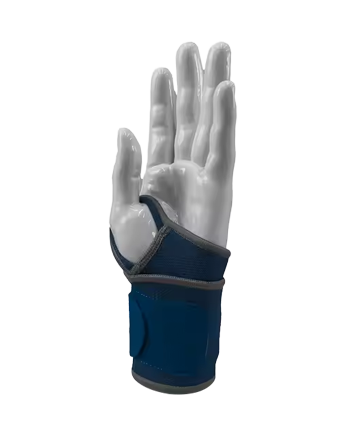
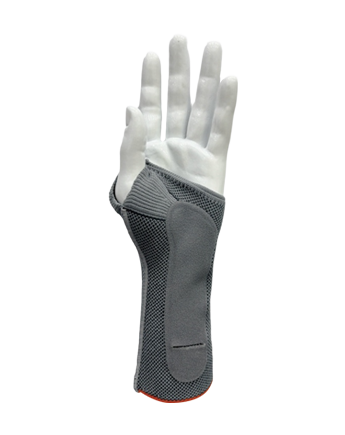
As more people look for noninvasive ways to manage wrist nerve irritation, wearable supports have moved into the spotlight. Devices designed to keep the wrist in a neutral position are commonly offered as an early option for people whose symptoms are intermittent or linked to repetitive tasks. The central question is whether a targeted support such as the Steriger Palm Brace can integrate into everyday care and provide noticeable symptom relief without requiring invasive procedures.
Many clinicians favor initial strategies that reduce pressure on the median nerve and limit aggravating wrist positions. A palm brace works by stabilizing the wrist and preventing good flexion or extension, which are common triggers for numbness and tingling. For those who wake with symptoms at night or who feel a gradual increase in discomfort after repetitive hand use, a nightly stabilization strategy is often recommended as a good step.
Wearable supports are typically good appropriate for people with early or moderate symptom patterns — for instance, those who experience tingling or mild numbness that comes and goes, or who have symptoms that worsen with certain activities. For many, a trial of wrist stabilization at night, perhaps combined with selective daytime use during high-strain tasks, helps determine whether the device adds comfort and function without impeding daily life.
Nighttime wear is often the good effective single habit because many people unknowingly bend their wrists while asleep. Preventing those nighttime positions can reduce awakenings and morning numbness. Daytime wear should be task-driven: use the support when performing repetitive or high-force activities, and remove it when it is not needed to preserve muscle activity and joint mobility.
A wrist support works good as one part of a broader strategy. Small workplace adjustments — such as changing grip technique, altering keyboard height, or introducing regular breaks — can significantly reduce ongoing strain. Guided exercises that maintain mobility and strengthen supporting muscles, together with habit changes, often produce better outcomes than relying on a device alone.
| Symptom or trigger | When to wear the brace | Typical short-term effect |
|---|---|---|
| Nighttime numbness or waking with tingling | Wear nightly to keep the wrist stable | Fewer nocturnal awakenings; reduced morning numbness |
| Repetitive tasks that provoke symptoms | Wear during the task as needed | Less flare-up while working; improved task endurance |
| Ongoing severe weakness or muscle loss | Seek clinical evaluation rather than prolonged bracing | Bracing alone unlikely to restore lost function |
| Mild discomfort after activity | Use selectively and pair with ergonomic changes | Short-term symptom reduction; better comfort |
A support device reduces irritating positions and gives inflamed tissues time to settle, but it does not reverse significant nerve damage. If weakness increases, fine motor tasks become difficult, or there is progressive loss of coordination, further clinical assessment is advised. Prolonged reliance on immobilization without movement guidance can sometimes cause joint stiffness or weakened support muscles, so monitored use is important.
Effective use depends on proper fit and sensible wear habits. A brace should be snug enough to support but not so tight that it restricts circulation. Users should watch for signs of excessive compression and avoid straps that cause tingling or color changes in the hand. Periodic removal for gentle mobility work helps preserve range of motion.
Many clinicians present supportive devices as an early, low-risk option that may help people avoid or delay procedural interventions when symptoms are suitable for conservative care. Patient education — about timing, fit, and combining bracing with workplace modifications and exercise — is essential to achieving a positive result. Realistic expectations and close monitoring typically yield the clearest sense of whether the support is providing value.
Deciding to try a wrist support should follow a simple assessment of symptom timing, daily demands, and whether noninvasive care is preferred. A focused trial of nightly wear and selective daytime use often gives a clear answer within a few weeks. If symptoms change, become more constant, or include pronounced weakness, a clinician can recommend further testing or alternative treatments.
In summary, a focused trial of a well-fitted palm support can be a sensible, low-risk step for many people seeking relief from early nerve irritation. When used thoughtfully — and combined with activity changes and movement work — such a device can play a useful role in a conservative care plan. For more information and support, visit steriger.
Steriger is a national high-tech enterprise specializing in the R&D and production of high-quality sports supports, medical braces, and sports compression socks.
Copyright © Zhejiang Steriger Sports Medicine Technology Co., Ltd.
The information provided on this website is intended for use only in countries and jurisdictions outside of the People's Republic of China.

Approval No: 浙金药监械生产备20200039号

 English
 Español
 Deutsch
 عربى
عربى Français