As demand for supportive medical devices grows, attention is turning to where and how those supports are made. Manufacturers and clinicians both emphasize that the quality of design and production affects how well a brace protects an injured area and supports safe recovery. A manufacturing site focused on consistent processes and user-focused features can influence outcomes for patients who rely on external support during rehabilitation.
Orthopedic braces are not one-size-fits-all solutions. They range from flexible compression sleeves to rigid supports that limit motion, and the materials and construction methods used in production determine how a device performs in daily life. Consistency in fabrication, careful selection of materials that balance support and comfort, and attention to fit and adjustability all shape whether a brace helps reduce pain, stabilize a joint, or protect healing tissues.
Design choices influence both the therapeutic value of a brace and the willingness of patients to use it. A support that provides needed restriction while permitting gentle, controlled motion encourages adherence to prescribed wear schedules. Conversely, a device that is uncomfortable or difficult to use often ends up underused, which undermines its intended benefit.
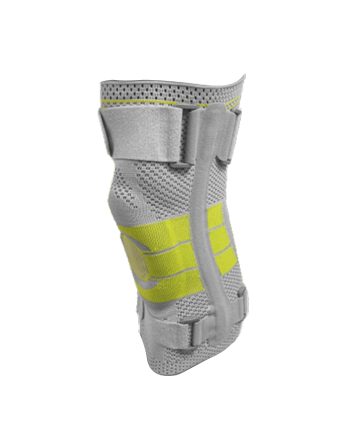
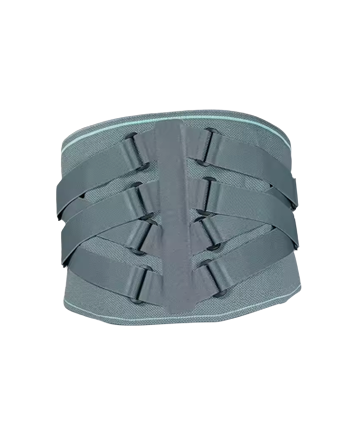
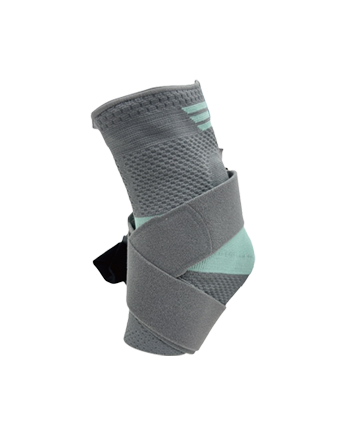
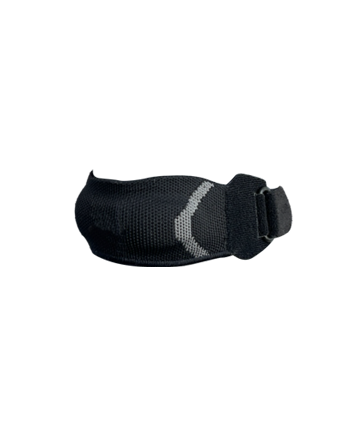
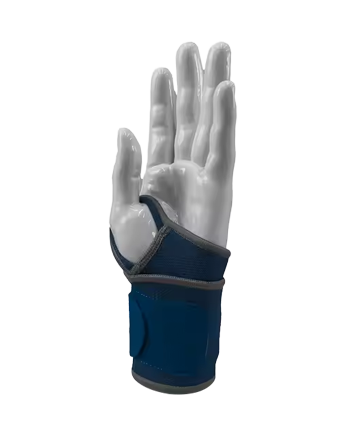
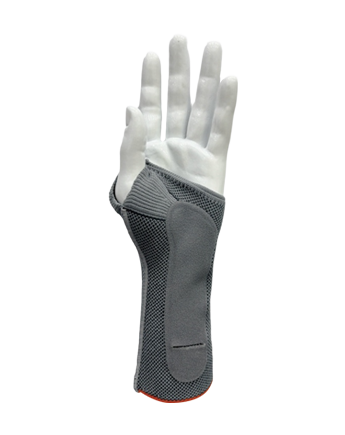
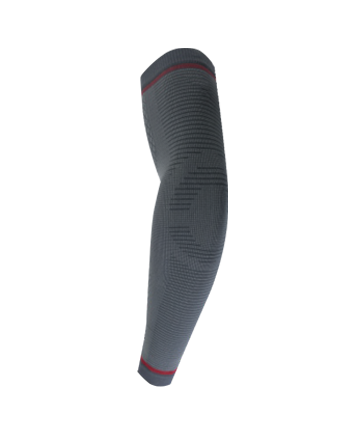
Manufacturers must decide whether a support will be soft, semi-rigid, or rigid. This choice depends on the intended clinical goal — from mild compression that helps control swelling to firm immobilization that protects injured bones or major ligaments. Production methods and quality control processes ensure the chosen materials and construction meet these clinical objectives without introducing new problems, such as skin irritation or loss of circulation.
While off-the-shelf supports meet many needs, some patients benefit from custom-fitted devices tailored to their anatomy and injury. Production facilities that can efficiently incorporate custom molding or adjustable elements increase the likelihood that a support will fit well and be effective. At the same time, repeatability in manufacturing ensures that standard devices perform predictably when prescribed across patient populations.
A well-made brace still requires proper use. Clear guidance on when to wear the device, how to adjust it, and how to maintain skin health beneath the support is essential. Production facilities that include user-focused instructions and simple fitting tools with their products help clinicians and patients get better results in everyday use.
| Support type | Typical production focus | Practical patient effect |
|---|---|---|
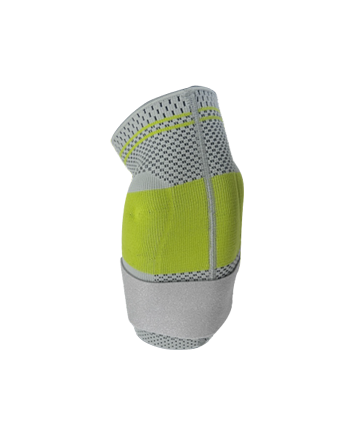
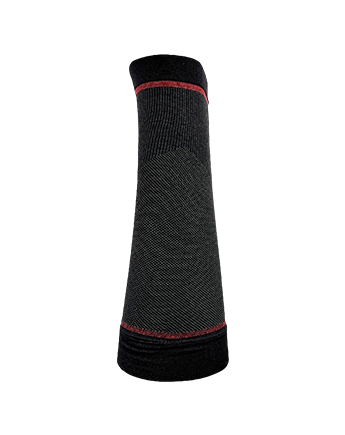
| Soft support | Breathable fabrics and comfortable compression | Swelling control and gentle support for mild injuries |
| Semi-rigid support | Integrated stays or adjustable reinforcements | Moderate stability with preserved mobility for daily tasks |
| Rigid brace | Strong shells and precise joint alignment | Significant motion limitation to protect healing tissues |
| Custom-fitted support | Tailored shaping and adjustable fastenings | Improved fit for complex needs and long-term wear |
Quality control is central to ensuring a brace performs as intended. Inspection regimes that verify material consistency, seam integrity, and closure functionality reduce the likelihood of early failure. Adherence to recognized safety and performance guidance during production helps clinicians trust that a prescribed device will meet basic expectations for support and durability.
Clinicians choose supports based on injury type, patient needs, and evidence of performance. When production emphasizes predictable outcomes, clinicians can be more confident recommending a device for particular uses — for example, night-time stabilization to protect healing soft tissue or daytime supports that permit activity while limiting harmful motion. Production that prioritizes patient-centered features—like comfort and adjustability—helps bridge the gap between clinical intent and everyday use.
Manufacturing approaches also affect cost and availability. Efficient production methods that retain quality can improve access to supportive devices across different care settings. At the same time, offering both standard and custom options provides pathways for diverse patient needs without forcing an all-or-nothing choice between a basic support and an elaborate custom device.
When evaluating supports, clinicians and consumers may consider how a device was designed and built: whether materials are appropriate for the intended use, whether fit options exist for different body shapes, and whether the manufacturer includes clear guidance for safe use. Facilities that welcome clinician feedback and that incorporate real-world usage data into design updates can better align products with patient needs.
In recent discussions about improving access and outcomes for people using orthopedic supports, a manufacturing presence that combines sound engineering with user-focused features has been highlighted as an important piece of the care pathway. For further information on production considerations and product support, visit steriger.
Steriger is a national high-tech enterprise specializing in the R&D and production of high-quality sports supports, medical braces, and sports compression socks.
Copyright © Zhejiang Steriger Sports Medicine Technology Co., Ltd.
The information provided on this website is intended for use only in countries and jurisdictions outside of the People's Republic of China.

Approval No: 浙金药监械生产备20200039号

 English
 Español
 Deutsch
 عربى
عربى Français