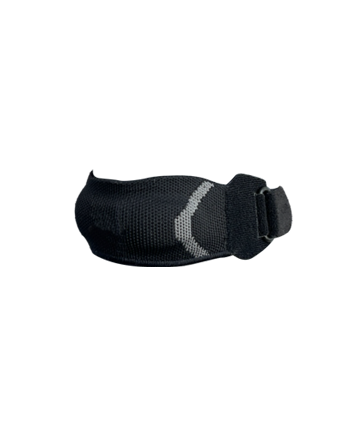
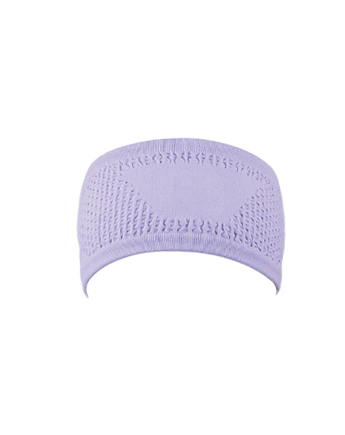
Halfway through a set of burpees, a bead of sweat rolls down the forehead and lands right in an eye, stinging enough to break concentration for a second. It's a small thing, but small things add up fast during a workout — wiping a wet forehead with the back of a hand, brushing damp hair off the face mid-rep, pausing a run just to blink sweat away. Workout Headbands for Sweat exist to cut down on exactly this kind of interruption, catching moisture before it turns into a distraction. Calling it "just a headband" undersells what it's actually doing. It's sitting right at the spot where sweat naturally collects before rolling downward, and depending on the fabric, fit, and how someone's actually sweating that day, it can make a noticeable difference in how a workout feels from start to finish.
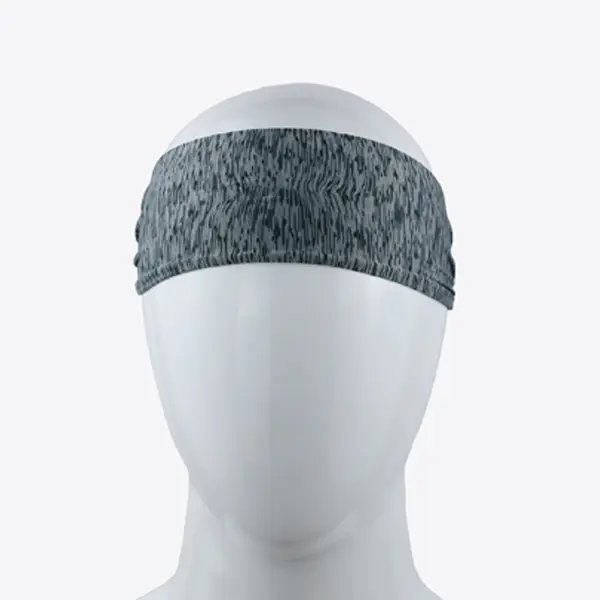
Sweating is the body's way of cooling itself down during exercise, and there's nothing to stop about that process. The issue isn't the sweat itself — it's where that sweat ends up going.
A headband sits right along the hairline and forehead, soaking up moisture there before it has a chance to run further down toward the eyes or drip off the chin.
A few things it's doing at once:
| Function | What's Happening |
|---|---|
| Soaking up sweat | Catches moisture right where it starts to form |
| Keeping hair back | Stops loose strands from sticking to a sweaty face |
| Cutting distractions | Means fewer pauses to wipe or adjust mid-workout |
| Reducing skin contact | Keeps sweat from sitting directly on the forehead |
It's not stopping the body from sweating — nothing really should. It's just giving that sweat somewhere useful to go instead of straight into someone's eyes.
That's why it becomes especially useful during activities where pausing to wipe your face isn't practical, such as treadmill sessions, spin classes, or heavy squat workouts.
Everyone sweats in their own way. Some may hardly feel it during a gentle jog, while others notice sweat appearing quickly during a warmup.
A handful of things play into this:
During anything involving sustained movement — running, cycling, lifting, team sports — sweat naturally works its way down from the scalp and forehead toward the eyes and cheeks. It's just gravity doing its thing once enough moisture builds up.
A headband intercepts that path early, giving sweat a place to collect before it turns into an actual problem.
Not really. Different headbands are built with different situations in mind, and picking one mostly comes down to what kind of workout someone's actually doing.
| Type | Where It Fits Well in Different Situations |
|---|---|
| Absorbent fabric bands | Regular gym sessions, general fitness routines |
| Stretchy bands | Anything involving a lot of movement and flexibility |
| Wider bands | More forehead coverage for heavier sweating |
| Thin, lightweight bands | People who don't want to feel much on their head at all |
Someone doing an intense HIIT class indoors probably wants something built to soak up more moisture. Someone doing a slower yoga flow might prefer something thinner that barely registers while they're moving through poses.
There's no single right answer here — it really comes down to matching the band to whatever activity it's actually going to be doing during that session.
This is often the main reason people choose to wear one — nobody wants to pause a workout because sweat is getting into their eyes.
Once sweat starts making its way from the forehead down toward the eyes, it can genuinely mess with focus and comfort. A headband sitting right along the hairline slows that movement down by soaking up moisture before it gets that far.
That said, results aren't identical for everyone. A headband tends to work better when:
A band that's too loose can slip during a workout and stop doing much of anything, sliding around more than it's soaking up.
Nobody's expecting a headband to make sweat disappear entirely. The point is making it manageable instead of letting it interrupt every few minutes.
Comfort is usually what decides whether someone keeps wearing a headband or tosses it in a drawer after one use.
A band that feels tight, scratchy, or keeps sliding becomes its own distraction, which kind of defeats the purpose of wearing one at all. Softness, stretch, and how well it breathes all factor into how it actually feels an hour into a workout.
During longer sessions, many people prefer something that stays in place without needing frequent adjustments.
Comfort tends to come down to:
Some people like a snugger fit because it stays in place no matter how much they're moving. Others would rather have something looser and softer, even if it means adjusting it once or twice.
There's no universal winner here — comfort really is personal, and it's worth trying a few before settling on one.
Sweat headbands show up across a pretty wide range of activities, not just in gyms.
Runners deal with sun, humidity, and constant motion all at once. A headband keeps forehead sweat in check while also holding hair back during longer routes.
Strength training and cardio both build up sweat fast, and a headband means fewer pauses to wipe a face between sets.
Riders often wear one under a helmet, especially on longer rides where sweat has plenty of time to build up under the padding.
Anything involving quick, repeated movement benefits from keeping hair and sweat out of the way, whether that's basketball, soccer, or tennis.
Even slower-paced sessions work up a sweat eventually, and a lighter band adds some comfort without getting in the way of stretching or balance poses.
What actually makes sense depends entirely on someone's own routine — a marathon runner and someone doing gentle stretching twice a week aren't going to want the same thing.
Since a headband is literally soaking up sweat during every workout, letting it go unwashed for too long isn't exactly pleasant — or hygienic.
A few basic habits keep it in decent shape:
Placement matters during the workout itself too. It should sit comfortably across the forehead without digging in or pinching. If it starts sliding partway through a session, adjusting it right away tends to work better than just pushing through and ignoring it.
A headband that's actually clean and fits properly ends up being a lot more pleasant to reach for next time, instead of something left forgotten at the bottom of a gym bag.
Choosing a sweat headband really comes down to personal habits more than anything else — how someone trains, how much they sweat, and what actually feels comfortable on their own head.
A few questions worth sitting with before buying:
| Question | Why It Actually Matters |
|---|---|
| What kind of workouts do you usually do? | Different activities create different sweat and movement patterns |
| Do you sweat a lot, or just a little? | Some fabrics soak up more than others |
| Wide coverage or something thinner? | Affects both comfort and how much it actually absorbs |
| Indoors, outdoors, or both? | Weather conditions and sun exposure can affect which option feels more suitable |
| How often will this actually get used? | More frequent use means durability matters more |
Someone who works out occasionally might grab whatever's cheap and simple. Someone training several times a week probably wants to pay closer attention to fit, fabric, and how well it holds up in the wash over time.
At the end of the day, it's really about making a workout feel less interrupted by sweat, not eliminating sweat altogether — that part was never really the goal. Workout Headbands for Sweat do a pretty simple job well — soaking up moisture around the forehead and keeping hair from sticking to a sweaty face mid-workout. They're not stopping anyone from sweating, and they were never meant to. What they're actually doing is taking one small, recurring annoyance out of a workout so someone can stay focused on the actual exercise instead of constantly wiping their face.
Steriger is a national high-tech enterprise specializing in the R&D and production of high-quality sports supports, medical braces, and sports compression socks.
Copyright © Zhejiang Steriger Sports Medicine Technology Co., Ltd.
The information provided on this website is intended for use only in countries and jurisdictions outside of the People's Republic of China.

Approval No: 浙金药监械生产备20200039号

 English
 Español
 Deutsch
 عربى
عربى Français