A graphic designer once mentioned that her wrist would start feeling stiff by mid-afternoon at her desk, then act up again a few hours later during her evening badminton game. Two completely different activities, same joint complaining both times. She eventually started wearing a simple nylon wrist wrap through both — typing at her computer and swinging a racket — and noticed the ache showed up a lot less often. That's basically the whole appeal of Nylon Wrist Support in one small anecdote: one joint, doing a lot of repetitive work across a pretty varied day, and a simple wearable that helps it hold up better.
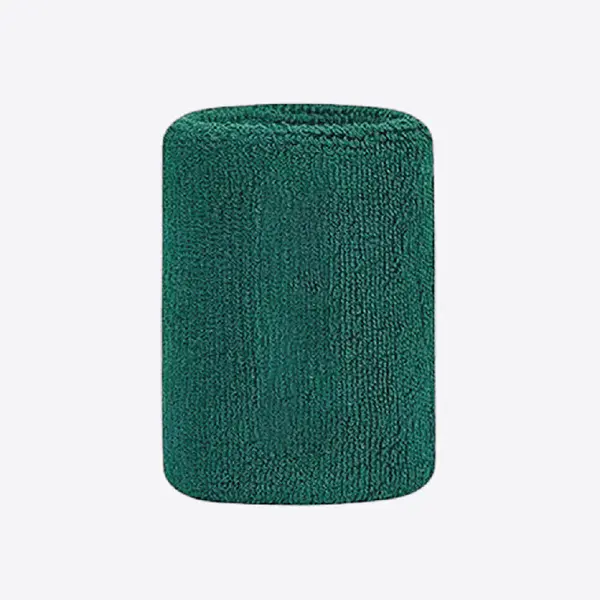
Nylon Wrist Support is a wearable product built to add comfort and a bit of stability around the wrist during different kinds of activity, whether that's lifting weights, typing, playing sports, or just going about a regular day. It shows up in gyms, offices, and sports bags fairly often these days, mostly because the wrist ends up doing more repetitive work than people usually give it credit for.
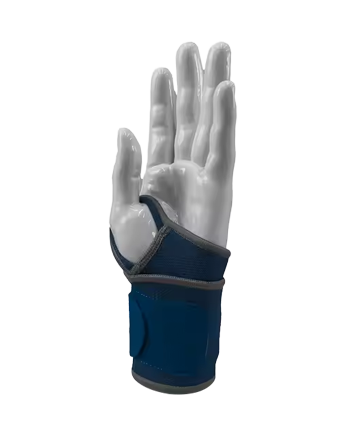
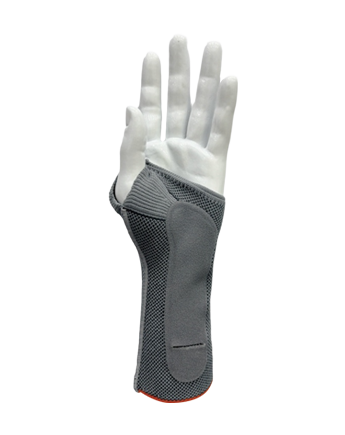
At a basic level, this is a fabric support wrapped around the wrist, made mostly from nylon because that material tends to hold up well while still staying flexible enough for regular movement.
A typical wrist support includes a few working parts:
| Part | What It Actually Does |
|---|---|
| Nylon fabric | Forms the main body of the support |
| Support section | Adds a bit of stability around the joint |
| Adjustable strap | Lets someone fit it comfortably to their own wrist |
| Fastening area | Keeps the whole thing from sliding around during movement |
Different brands tweak these details in their own way, but the underlying goal stays consistent: give the wrist a bit of backup during whatever it's being asked to do that day.
Daily activities often rely on the wrist without people giving it much thought — typing, using a phone, holding a steering wheel, carrying items, or handling sports equipment. It is a joint that stays active through many parts of everyday life.
People tend to reach for wrist support when they're looking for:
That growing interest isn't really about a new trend so much as people finally paying attention to a joint that's been quietly overworked for years.
Part of why this kind of support has stuck around is that it doesn't really belong to just one activity. The same basic wrap can show up at a gym, an office desk, or a hiking trail without looking out of place in any of them.
| Setting | How It Gets Used |
|---|---|
| Weight training | Adds comfort and stability during lifts |
| Racket sports or similar activities | Supports the wrist through repeated swinging motions |
| Office work | Offers a bit of relief during long stretches of typing |
| Outdoor activities | Provides simple support during hiking or other movement |
Because wrist movement shows up in so many corners of daily life, one product ends up covering a surprisingly wide range of situations rather than being locked into just sports or just office use.
Not every fabric feels the same against skin during hours of wear, and that difference becomes pretty obvious once you're wearing something for an entire workday or a full workout session.
Nylon tends to get used in this kind of product because it manages to feel lightweight while still holding up to repeated stretching and movement without breaking down quickly.
For a wrist wrap specifically, that material choice affects:
A support that feels natural rather than bulky or stiff is a lot more likely to actually get worn consistently, rather than sitting forgotten in a gym bag.
Plenty of people don't stick to one activity all day — there's a morning at a desk, maybe a lunchtime errand involving some lifting, then an evening workout or a pickup game with friends. The wrist doesn't get much of a break across any of that.
Nylon Wrist Support tends to fit that kind of bouncing-around day because it offers:
Being able to carry the same support from a desk job to a gym session to a weekend hike is honestly a big part of why it fits so naturally into how people actually move through their day.
A wrist support that feels annoying or restrictive is one that ends up sitting in a drawer instead of actually being worn. Comfort isn't a nice extra here — it's really the deciding factor in whether someone keeps using the product at all.
A few things that tend to shape how comfortable a wrap actually feels:
| Comfort Factor | Why It Matters |
|---|---|
| Soft fabric texture | Makes long wear a lot more tolerable |
| Flexible build | Lets the wrist move naturally instead of feeling locked up |
| Adjustable fit | Accommodates different wrist sizes and personal preference |
| Lightweight construction | Keeps the whole thing from feeling like a burden |
A support that disappears into the background of someone's day — rather than constantly reminding them it's there — is usually the one that actually sticks around in daily use.
Sports that involve repetitive hand and wrist motion — think badminton, tennis, weightlifting, even certain styles of yoga — put a lot of strain on that joint over the course of a session.
A lot of active people build wrist support into their pre-activity routine, right alongside stretching or warming up.
Nylon Wrist Support tends to fit into sports settings because it offers:
Which specific product someone reaches for really comes down to their sport and their own personal comfort preferences, but the underlying need — support that doesn't get in the way — stays pretty consistent.
It's easy to assume wrist support is strictly a sports thing, but plenty of office tasks put a surprising amount of repetitive strain on the wrist too — typing for hours, using a mouse constantly, or doing detailed creative work like design or illustration.
That's part of why some people have started wearing wrist support outside of a gym setting entirely.
A few workplace situations where it tends to come up:
Being useful in both a sports context and a desk job context is really what makes this kind of support genuinely versatile, rather than a one-trick product.
Choosing the right wrist support is not about picking a low-cost option without thought. It helps to consider how it will actually be used.
A few practical things worth considering:
| Consideration | Why It Matters |
|---|---|
| What activity it's mainly for | Matches the support to its actual intended use |
| Personal comfort preference | Shapes how likely someone is to actually wear it |
| How adjustable the fit is | Affects how well it works for that specific wrist |
| How the material actually feels | Influences comfort over longer stretches of wear |
The right choice really comes down to matching the product to someone's actual lifestyle and how often they're realistically going to reach for it.
Like wearable gear in general, a Nylon Wrist Support can stay in good condition longer with regular care instead of being used continuously without cleaning.
A few habits worth keeping up with:
| Habit | Why It Helps |
|---|---|
| Washing it regularly | Keeps it fresh and prevents buildup |
| Storing it properly | Helps the material hold its shape over time |
| Checking the fastening area | Catches wear before the fit becomes unreliable |
| Following the care instructions | Keeps the whole product working as intended |
Staying on top of these small habits tends to keep a support usable for a lot longer, rather than needing a replacement every few months just from regular wear and tear.
People's expectations around wearable gear keep evolving, and wrist support is no exception. There's a growing interest in products that actually blend into daily life comfortably, rather than feeling like extra equipment someone has to remember to bring along.
Nylon Wrist Support keeps adapting to that shift through changes in:
As more people pay attention to comfort and staying active throughout their day, wrist support keeps finding its way into more corners of daily life — which is really why that graphic designer ended up wearing the same simple wrap through both a full workday at her keyboard and a badminton match that evening, without needing to think twice about switching gear in between.
Steriger is a national high-tech enterprise specializing in the R&D and production of high-quality sports supports, medical braces, and sports compression socks.
Copyright © Zhejiang Steriger Sports Medicine Technology Co., Ltd.
The information provided on this website is intended for use only in countries and jurisdictions outside of the People's Republic of China.

Approval No: 浙金药监械生产备20200039号

 English
 Español
 Deutsch
 عربى
عربى Français