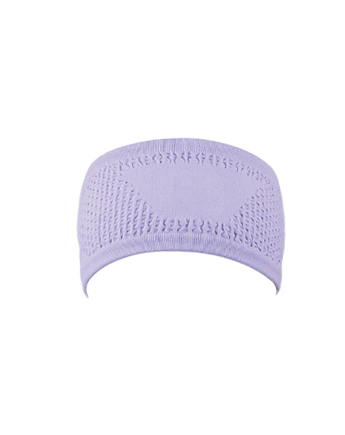
You've probably been there before. Sweat starts running into your eyes halfway through a trail run, or a cap keeps lifting every time the wind picks up on an exposed ridge. Maybe your hair keeps escaping from under your hat, or your forehead feels uncomfortably hot after hours outdoors. Choosing between an Outdoor Sports Headband and a hat often looks simple on paper, right up until these small annoyances start chipping away at comfort, focus, and the whole outdoor experience. Neither option behaves the same way in every situation. Each one tackles a different set of problems, and once you understand those differences, matching gear to the actual activity gets a lot easier instead of accidentally creating new distractions along the way.
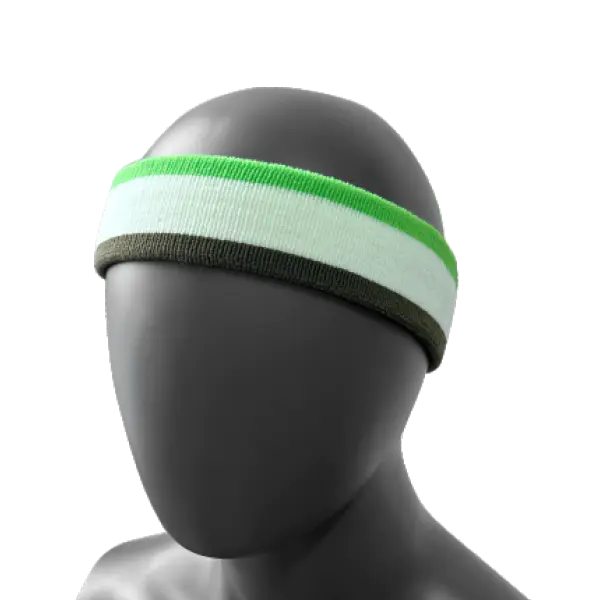
Both accessories appear to serve a similar purpose at a glance. They sit on the head, they add comfort, and people reach for them constantly during outdoor activities. Because they seem to overlap, plenty of buyers assume one can just stand in for the other.
The reality plays out a bit differently.
A headband focuses on keeping sweat under control while letting heat escape naturally off the scalp. A hat covers more ground by adding shade and shielding a larger portion of the head from sunlight. Neither one automatically replaces the other, since they're solving two different problems from the start.
People tend to compare them because they're really trying to answer practical questions like:
Instead of asking which accessory wins overall, it usually helps more to ask which specific problem needs solving first.
Sweat turns into one of the earliest distractions once you get moving outdoors.
Once perspiration reaches your eyes, visibility gets uncomfortable fast. Wiping sweat over and over also breaks your rhythm during running, hiking, cycling, or a training session.
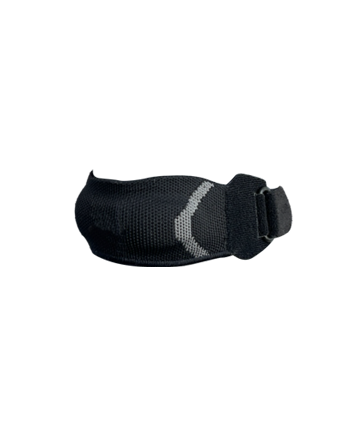
An Outdoor Sports Headband gets built around exactly this issue.
It sits right across the forehead, where sweat usually starts pooling first. The fabric soaks up moisture before it ever reaches your face, while still letting air move around the rest of your head.
A hat tackles the same problem from a different angle.
Rather than absorbing sweat directly across the forehead, it relies on its inner sweatband to manage moisture while providing coverage overhead. That works fine under mild conditions, but it can start feeling warmer once an activity stretches on for hours.
Here's a general side-by-side look:
| Feature | Outdoor Sports Headband | Hat |
|---|---|---|
| Forehead sweat control | Direct contact with skin | Indirect moisture management |
| Air circulation | More open | More enclosed |
| Hair control | Holds hair away from face | Covers hair completely |
| Face shade | Limited | Broader coverage |
Neither one wipes out sweat entirely. They just handle it in different ways.
Comfort shifts over time, sometimes without you even noticing at first.
Something that feels fine after ten minutes of walking can feel completely different once you've been outside for several hours straight.
Weight distribution plays a real role here.
A lightweight headband creates barely any pressure since it only touches a narrow strip around the head.
A hat spreads its weight across the crown while also resting against the forehead and scalp at the same time.
Some outdoor enthusiasts genuinely like the feeling of extra coverage overhead, while others would rather have as much airflow as they can get.
Movement matters too.
During activities with a lot of repeated head motion, like trail running or scrambling up rocks, people often appreciate gear that stays put without needing constant readjustment.
Others prefer the familiar feel of a cap during a casual walk or a day of sightseeing.
Personal preference still carries a lot of weight here, since comfort really does vary from person to person.
Sun exposure changes the whole conversation.
A hat naturally throws shade over the forehead, face, and depending on the design, part of the neck as well.
That makes hats a solid pick during activities like:
A headband isn't really trying to compete on shade.
Instead, it leaves much of the head uncovered, allowing airflow while concentrating on moisture control.
For people spending long stretches under direct sunlight, pairing a headband with sunglasses or other sun-protective clothing sometimes strikes a reasonable balance.
The decision really comes down to whether cooling or shading matters more for whatever's planned that day.
Outdoor conditions rarely hold steady across an entire day.
Mornings tend to feel cool.
Afternoons warm up.
Wind picks up near higher elevations.
Humidity shifts after a rain shower rolls through.
Each accessory reacts differently to all of this.
A headband generally allows more ventilation.
Plenty of people appreciate this during running, cycling, or fitness sessions, since less heat gets trapped around the scalp.
A hat can shift or even lift off if the wind gets stronger.
A fitted headband usually stays closer to the head thanks to its lower profile.
Some headbands offer light insulation around the ears while leaving the top of the head exposed.
Hats offer broader coverage, which helps cut down exposure to cooler air overall.
Rather than expecting one option to fit every forecast, experienced outdoor users tend to pick based on whatever weather they're actually walking into.
Different sports come with different demands.
Movement, speed, weather, and personal comfort all factor into the decision.
| Outdoor Activity | Headband | Hat |
|---|---|---|
| Running | Frequently chosen for airflow | Often used in sunny weather |
| Cycling | Helps manage sweat under helmets | Limited compatibility with helmets |
| Hiking | Comfortable during active climbs | Useful for open trails with strong sunlight |
| Walking | Suitable for warmer conditions | Common choice for everyday comfort |
| Fitness training | Supports movement without extra bulk | Depends on workout style |
| Travel | Packs into small spaces | Offers broader outdoor protection |
This kind of comparison explains why plenty of outdoor enthusiasts end up owning both instead of settling on just one.
Each one fills a different gap depending on what the day actually looks like.
Hair affects comfort more than a lot of buyers expect going in.
Long hair often swings across the face during outdoor exercise, especially once it gets damp.
Short hair can get damp quickly around the forehead too, even without much length to deal with.
A headband helps by holding hair back away from the eyes, cutting down on the distraction loose strands cause.
A hat tucks hair underneath the crown, though longer hair may still need some adjusting depending on the hairstyle.
People with thick hair sometimes appreciate the extra ventilation a headband provides.
Others prefer the more enclosed feel of a hat, since it keeps everything held together more securely.
Hair type, hairstyle, and activity level all shape which option ends up feeling more practical day to day.
Outdoor gear competes hard for limited backpack space.
Small items become genuinely valuable because they leave more room for water, snacks, clothing layers, and emergency supplies.
An Outdoor Sports Headband folds down into a fairly compact size without much effort.
It slips easily into a pocket or a side compartment without losing its shape.
A hat usually takes up more room.
Plenty of soft caps compress down reasonably well, but they still need more storage volume than a headband ever will.
For travelers hoping to pack light and pack fast, size becomes another practical thing to weigh.
This can feel like a small detail until luggage space actually runs tight on a longer trip.
Outdoor accessories deal with regular exposure to sweat, dust, and shifting weather.
Cleaning becomes part of keeping them comfortable to wear again.
Headbands generally need washing more often since they soak up sweat directly against the skin.
Their smaller size usually makes cleaning pretty simple, and they dry fairly quickly once washed.
Hats tend to collect less direct moisture around the forehead, but they gather dust, sunscreen residue, or dirt over time instead.
Their bulkier structure sometimes needs a bit more care during cleaning to help hold its original shape.
A steady cleaning routine benefits either choice, since built-up moisture and dirt eventually wear down how comfortable either one feels.
This comparison gets a lot easier once personal priorities become clear.
A few questions help narrow things down naturally.
Instead of chasing whichever accessory seems more popular, matching the gear to actual conditions usually leads to a better experience overall.
Someone running through shaded forest trails might land on a completely different answer than someone spending an afternoon fishing beside open water.
Outdoor gear tends to work better when it's picked based on real conditions rather than general assumptions about what "everyone" uses.
Plenty of experienced outdoor enthusiasts eventually keep both options in their gear bag, since different situations call for different solutions. A headband often becomes the go-to pick when airflow, sweat management, and unrestricted movement matter more than anything else. A hat naturally becomes more appealing once shade, facial coverage, and broader protection from the elements climb higher on the priority list. Thinking through the activity, expected weather, travel plans, and personal comfort preferences before heading out usually leads to a choice that feels practical all day long, rather than something that needs constant fiddling once the adventure's already underway.
Steriger is a national high-tech enterprise specializing in the R&D and production of high-quality sports supports, medical braces, and sports compression socks.
Copyright © Zhejiang Steriger Sports Medicine Technology Co., Ltd.
The information provided on this website is intended for use only in countries and jurisdictions outside of the People's Republic of China.

Approval No: 浙金药监械生产备20200039号

 English
 Español
 Deutsch
 عربى
عربى Français