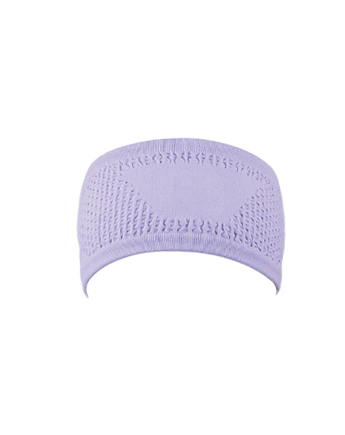
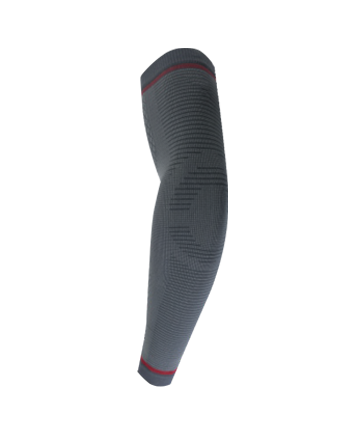
Anyone who has pushed through the final stretch of a hard training session knows the moment sweat starts running into the eyes, stinging and blurring focus right when concentration counts. A Headband Sweat Absorbing enough to actually catch that moisture before it drips down changes the whole experience of a workout, turning a distracting annoyance into something barely noticed at all. That difference sounds small until you've felt it firsthand, mid-set or mid-sprint, wiping your face for the third time in ten minutes.
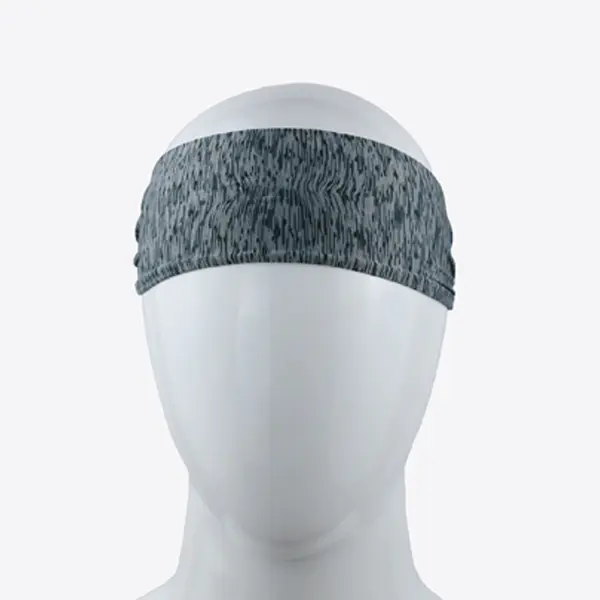
Sweat production ramps up fast once heart rate and body temperature climb, and during high-intensity training that moisture doesn't just sit politely on the forehead. It runs.
Gravity pulls sweat downward toward the eyebrows and eventually into the eyes, carrying salt that stings and blurs vision at exactly the wrong moment — mid-lift, mid-sprint, or mid-rally. Beyond the irritation, constant wiping breaks concentration and rhythm, something runners and gym-goers both notice when a session gets interrupted every few minutes just to clear a face.
There's also a comfort factor that goes beyond performance. A soaked shirt collar or a dripping brow makes a workout feel more grueling than it needs to, and that psychological friction can genuinely shorten how long someone sticks with a session before cutting it short.
The mechanism itself is fairly straightforward, though the materials behind it do a lot of quiet work.
A Headband Sweat Absorbing design typically uses a fabric structure built to soak up moisture as it forms, holding it within the fibers rather than letting it drip freely down the face. This keeps the forehead relatively dry through a session, cuts down on eye irritation, and reduces how often someone needs to stop and wipe their face manually.
Beyond moisture control, a well-fitted headband also helps manage hair, particularly for longer styles that can otherwise stick to a sweaty forehead or fall into the eyes during dynamic movement. That combination — absorption plus a stable fit — is really what separates a headband people actually reach for repeatedly from one that ends up forgotten in a gym bag.
Not every absorbent fabric behaves the same way once it's saturated, and this is where quick dry construction earns its reputation.
A quick dry headband is built to release moisture back into the air relatively fast rather than staying damp and heavy through an entire session. That matters for longer workouts, since a headband that stays saturated eventually stops absorbing effectively and starts to feel uncomfortably wet against the skin.
Materials engineered for moisture-wicking typically pull sweat away from the skin surface and spread it across a wider fabric area, which speeds up evaporation compared to a fabric that simply holds moisture in one saturated spot. For anyone training multiple times a day or working through back-to-back sessions, that faster drying cycle noticeably improves comfort across repeated use.
Buyers evaluating product lines often need a clear side-by-side to explain the tradeoff to customers or make sourcing decisions confidently, since a customer asking about the difference in a store or on a product page deserves a straightforward answer rather than vague marketing language.
| Feature | Standard Absorbent Headband | Quick Dry Headband |
|---|---|---|
| Moisture Handling | Soaks up sweat, stays damp longer | Wicks and evaporates moisture faster |
| Comfort Over Time | Can feel heavy once saturated | Stays lighter through extended use |
| Suited For | Shorter sessions, moderate intensity | Longer sessions, higher intensity intervals |
| Fabric Weight | Often thicker | Often thinner, more breathable |
| Drying Between Uses | Slower | Faster, easier to reuse same day |
Neither type is universally the right pick for every buyer or every athlete. A gym offering short, moderate-intensity classes might stock standard absorbent options without issue, while a running or cycling-focused retailer likely wants quick dry inventory front and center given the extended sweat exposure those activities involve.
It does, and this gets overlooked more often than it should during sourcing conversations.
A lightweight running headband needs to stay breathable and unobtrusive across long distances, since anything bulky or overly padded starts to feel irritating well before the finish line. Runners in particular tend to favor thinner, more flexible construction that moves with the head rather than sliding or bunching during repetitive motion.
Gym and strength training scenarios can tolerate slightly more structure, since movement patterns differ and a snugger fit sometimes helps keep hair and sweat controlled during heavier, more explosive lifts. Cyclists fall somewhere in between, often preferring a design that fits comfortably under a helmet without adding bulk.
Matching headband design to activity type isn't just a marketing angle — it genuinely affects how well the product performs.
Buyers stocking a general fitness or outdoor sports headband line often find it useful to segment inventory by these use cases rather than treating every workout headband for sweat as interchangeable.
Absorption and quick drying tend to get the bulk of the attention, but durability plays a quiet role in whether a headband stays comfortable across months of regular use rather than just the initial few sessions.
A fabric that loses its elasticity after repeated washing starts to sag or slip during workouts, which undermines the fit even if the absorbent properties technically remain intact. Similarly, edges that fray or seams that loosen after several wash cycles create friction points against the skin, turning what should be a comfortable accessory into a minor irritation.
Buyers sourcing for retail or promotional distribution benefit from asking suppliers directly about wash durability and fabric recovery, since a headband that performs well on a showroom sample but degrades quickly in real use creates return and complaint issues down the line. Testing a sample through repeated wash cycles before committing to a bulk order is a simple step that catches this kind of problem early, well before it reaches an end customer.
Even a genuinely absorbent fabric underperforms if the headband itself doesn't stay in place during movement, so fit deserves attention alongside material selection.
A band that's too loose shifts during dynamic activity, letting sweat escape around the edges rather than being caught by the fabric. One that's too tight can create pressure discomfort during longer sessions, particularly for activities involving repeated head movement like tennis or basketball. Elastic quality and stitching at the seam where the band closes both influence how well a headband holds its shape through hours of wear rather than stretching out prematurely.
For buyers building out a product line, offering a couple of width or tension options rather than a single universal fit tends to serve a broader range of head sizes and activity types, reducing the chance that a customer ends up with a headband that performs poorly simply because the sizing didn't suit them.
To some extent, yes, though the differences are more about fit and styling than fundamental function.
Sweat headbands mens lines often favor simpler, more minimal designs with a slightly wider band, matching common preferences around styling in men's activewear more broadly. Gym headband female options, by comparison, sometimes incorporate narrower profiles, additional color and pattern variety, or designs meant to work alongside ponytails and other hairstyles common among female athletes.
Functionally, both need the same core performance — solid absorption, breathable construction, and a stable fit — but a retailer or brand building out a full product line typically benefits from offering distinct options across these categories rather than assuming one universal design satisfies every customer segment.
Brands and distributors moving into custom sweat headbands, whether for private labeling or promotional purposes, benefit from asking a few pointed questions before committing to a production run.
Getting clear, specific answers to these questions upfront helps avoid the common frustration of receiving a bulk shipment that doesn't perform the way a sample did. It also helps to request more than one sample round when possible, since a single prototype sometimes gets extra attention during production that a full batch run doesn't replicate consistently. Comparing an early sample against a piece pulled from later in a production run gives a clearer picture of whether quality holds steady across volume.
Not every headband manufacturer brings the same level of consistency or technical capability to production, and this matters significantly for buyers building an ongoing product line rather than placing a single trial order, since a dependable headband supplier should be able to speak clearly to fabric sourcing, absorption testing methods, and how they maintain consistency across repeated production runs, rather than deflecting technical questions back toward marketing language. For buyers working with a headband factory on custom designs, flexibility around fabric weight, color, and branding options often signals a partner capable of adapting to different market segments rather than pushing a single generic template, and working with an established headband producer or headband company also tends to smooth out communication around timelines, sample approval, and quality checks, particularly important for brands planning seasonal launches or coordinated retail rollouts where delays carry real cost. Buyers who take the time to build this kind of working relationship, rather than treating each order as an isolated transaction, generally find that later orders move faster and with fewer surprises once the supplier understands their specific quality expectations.
Sweat management during intense training isn't a small detail buyers should treat as an afterthought, since comfort directly shapes whether someone actually finishes a workout feeling good rather than distracted and irritated throughout. Whether the priority is absorption, quick drying, lightweight construction for running, or a secure fit for gym and court sports, matching the right Headband Sweat Absorbing design to the right activity makes a genuine difference for the end user, and getting that match right starts with asking the kind of sourcing questions covered here rather than defaulting to whatever looks familiar on a catalog page. For brands, distributors, and retailers looking to build or expand a sweat-management product line with a manufacturer experienced in athletic fabric performance and custom production, Zhejiang Steriger Sports Medicine Technology Co., Ltd. offers a practical starting point for that conversation, whether the immediate goal is a small trial batch or an ongoing custom supply partnership.
Steriger is a national high-tech enterprise specializing in the R&D and production of high-quality sports supports, medical braces, and sports compression socks.
Copyright © Zhejiang Steriger Sports Medicine Technology Co., Ltd.
The information provided on this website is intended for use only in countries and jurisdictions outside of the People's Republic of China.

Approval No: 浙金药监械生产备20200039号

 English
 Español
 Deutsch
 عربى
عربى Français