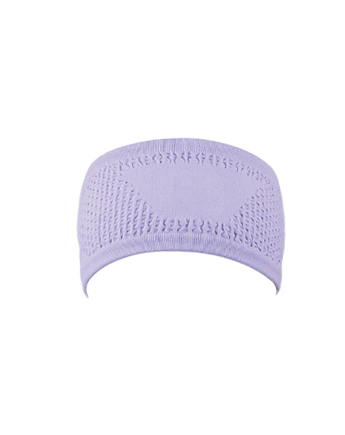
Sweat dripping into your eyes mid run, hair sticking to your forehead during a hike, that annoying slip of fabric that never quite stays put through a workout. If any of that sounds familiar, you already understand why an Outdoor Sports Headband isn't some optional accessory tossed in as an afterthought. It solves a problem that shows up the moment physical effort meets heat, movement, and moisture, all at once.
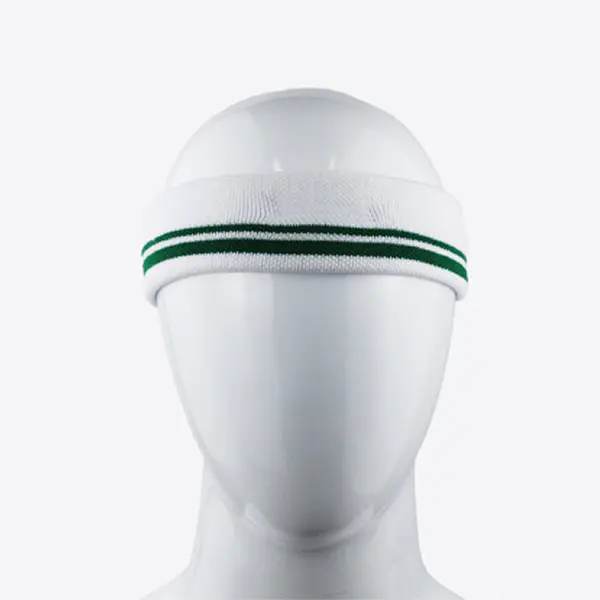
Anyone who trains outdoors regularly knows the annoyance. Sweat runs down, vision blurs, hair falls loose, and suddenly a workout session turns into a constant battle against distraction. None of that is dramatic on its own, but stack it across an hour long run or a steep trail climb, and it becomes the difference between staying focused and constantly stopping to wipe your face. A headband intercepts that problem before it starts. It sits right where sweat naturally collects, holds hair back without needing constant readjustment, and frees up mental space that would otherwise go toward managing discomfort instead of performance.
Depends who you ask, honestly. Casual walkers might not notice much difference. But anyone pushing through sustained cardio, whether that's cycling long distances or working through an intense gym circuit, tends to notice the absence of one pretty quickly once sweat starts pooling and vision gets compromised.
There is more to its functionality than many people expect at a glance. A thoughtfully designed headband can perform several functions at the same time.
Each function sounds small individually, yet together they change how an entire session feels. Athletes training outdoors, particularly in warmer conditions, often describe the difference as less about performance gains and more about simply removing friction from the experience.
Massively, and this is where a lot of buyers underestimate what they're purchasing. Cotton feels familiar and soft, sure, but it soaks up moisture and stays wet, which becomes uncomfortable fast during extended activity. Once cotton gets saturated, it clings, chafes, and honestly starts working against the wearer rather than for them.
A Quick Dry Headband behaves completely differently. Moisture wicking fabric pulls sweat away from skin and lets it evaporate quickly, meaning the headband stays functional through longer sessions instead of turning into a damp, heavy strip of fabric halfway through a workout.
For anything beyond casual short sessions, quick dry fabric tends to outperform cotton by a noticeable margin. The tradeoff is usually cost, since quick dry materials often run slightly higher in production expense, but for brands positioning products toward serious athletes, that extra cost typically justifies itself through better user experience and fewer complaints.
Not every outdoor activity places the same demand on a headband, and this is where sourcing decisions start getting genuinely specific rather than generic.
| Activity | Primary Demand | Suggested Design Focus |
|---|---|---|
| Running | Sweat control, lightweight feel | Thin, quick dry, minimal bulk |
| Cycling | Airflow, sweat absorption under helmet | Breathable, low profile |
| Hiking | Extended wear comfort, sun exposure | Moisture wicking, wider coverage |
| Tennis and racquet sports | Rapid sweat absorption, secure fit | Thicker terry style, strong grip |
| Gym and fitness training | Hair control, general sweat management | Stretch fit, moderate width |
Treat this as a general direction rather than a rigid formula, since individual preference and climate conditions shift things around quite a bit.
Runners have particular needs that differ from, say, someone weightlifting indoors. A lightweight running headband needs to stay put through repetitive bouncing motion without adding noticeable weight or bulk around the head. Anything too thick or heavy becomes distracting fast, especially over longer distances where every small irritation compounds mile after mile.
This is also where sweat absorbing headband design earns its keep. Runners generate consistent, steady sweat rather than sudden bursts, so the fabric needs sustained wicking capability rather than just quick initial absorption that fades halfway through.
Gym environments bring a slightly different challenge. Indoor heat, combined with high intensity intervals, produces sweat quickly and in larger volume during short bursts. Workout headbands for sweat management in this setting need to handle rapid absorption more than sustained wicking over hours.
Stretch fit designs tend to work well here since gym movements involve more head motion, bending, twisting, changing positions constantly, compared to the steadier rhythm of running or cycling.
Sometimes, yes, though it's less about biological difference and more about styling preference and hair volume considerations. Sweat headbands mens designs often lean toward simpler, narrower profiles, while gym headband female options sometimes come wider or with additional stretch to accommodate different hair lengths and styling needs. Neither is objectively better, it just depends on what the end wearer actually prefers.
For companies looking to private label or build out a product line rather than just retail individual units, custom sweat headbands open up possibilities beyond generic stock designs. Branding placement, color matching, and fabric weight can all get adjusted depending on target market and intended activity focus.
A few things worth clarifying before placing a custom order:
Skipping these steps tends to create headaches later, particularly when a batch arrives with inconsistent stretch or color variation that wasn't caught during initial sampling.
This is really where the sourcing conversation lands eventually. A headband manufacturer with established production experience tends to deliver more predictable quality across large orders compared to smaller operations still working out their process kinks.
When evaluating a headband supplier or headband factory, a few questions tend to separate solid partnerships from frustrating ones.
A headband producer confident in their process usually answers these directly without hedging, and that transparency itself tends to be a decent signal of reliability heading into a longer term relationship.
Outdoor Sports Headbands solve a problem that's easy to underestimate until you're the one wiping sweat out of your eyes mid stride or constantly pushing hair back during a climb. What separates a genuinely useful headband from a forgettable one usually comes down to fabric choice, fit for the specific activity involved, and whether the manufacturer behind it actually understands how different sports place different demands on the same basic product. Buyers sourcing at volume, whether building a private label line or stocking retail shelves, benefit from asking pointed questions upfront rather than assuming all suppliers deliver comparable quality. Zhejiang Steriger Sports Medicine Technology Co., Ltd. works with brands and distributors navigating exactly these sourcing decisions, offering production capability across quick dry and moisture wicking headband designs suited to running, cycling, hiking, and general fitness applications, and welcomes an inquiry from any team ready to discuss specifications for their next order.
Steriger is a national high-tech enterprise specializing in the R&D and production of high-quality sports supports, medical braces, and sports compression socks.
Copyright © Zhejiang Steriger Sports Medicine Technology Co., Ltd.
The information provided on this website is intended for use only in countries and jurisdictions outside of the People's Republic of China.

Approval No: 浙金药监械生产备20200039号

 English
 Español
 Deutsch
 عربى
عربى Français