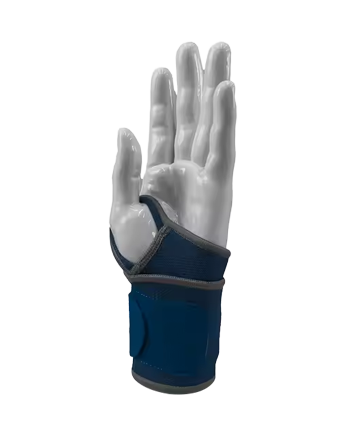
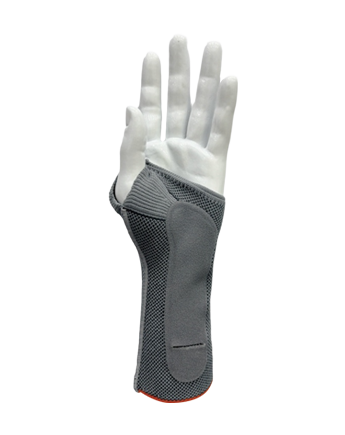
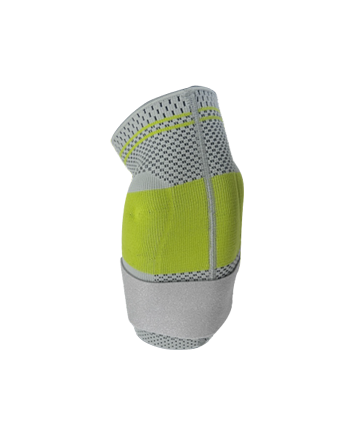
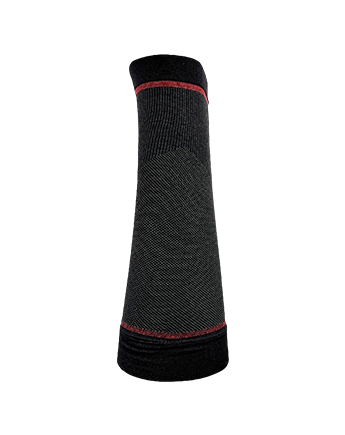
Lower back strain is a common setback in strength training — and one that is readily preventable. Lifters who push hard on compound movements often feel it initially as fatigue, then as discomfort, and eventually as something that interrupts training entirely. For gym equipment brands, sports distributors, and fitness product buyers evaluating the support category, understanding how waist support products match different training demands is the foundation of any sensible sourcing decision. Working with a reliable Waist Support Manufacturer who understands the functional requirements behind each product type is what separates a range that sells from one that generates returns and complaints.
The lumbar spine bears a disproportionate share of the load in many resistance training movements. Squats, deadlifts, overhead presses, and rows all require the lower back to stabilize the torso against external load — and when that stabilization function is compromised by fatigue, poor positioning, or inadequate support, injury risk rises considerably.
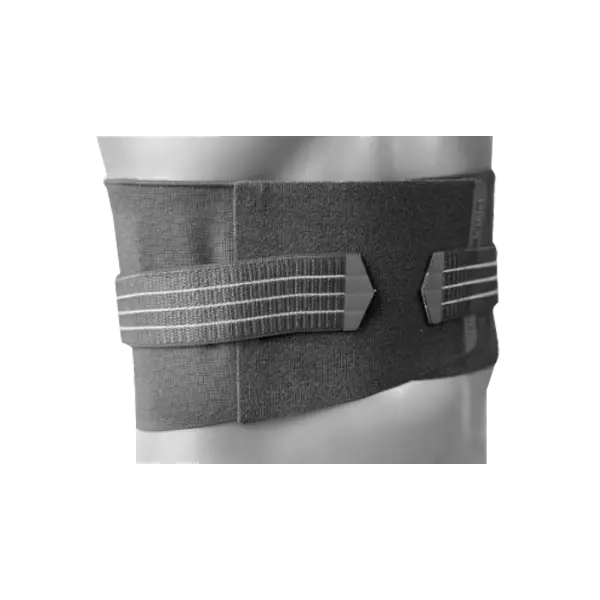
Waist support products address this by providing external compression and proprioceptive feedback — the physical sensation of the support against the skin reminds the user to brace correctly and maintain spinal position. The effect is both mechanical and psychological: the back feels supported, the user trains with more confidence, and the intra-abdominal pressure that protects the spine is easier to maintain.
Beyond acute injury prevention, there is a longer-term comfort argument. Long training sessions generate heat and fatigue in the lower back musculature. Breathable Lumbar Support designs help manage that heat accumulation, reducing the discomfort that causes users to cut sessions short or avoid certain movements altogether.
The waist support category also has a recovery dimension. Users returning from lower back strain often use support products to manage load during the transition back to full training, providing a sense of security without restricting movement entirely.
The category is broader than buyers initially assume. Different construction approaches produce meaningfully different performance characteristics, and understanding those differences shapes both product selection for end users and sourcing decisions for brands and distributors.
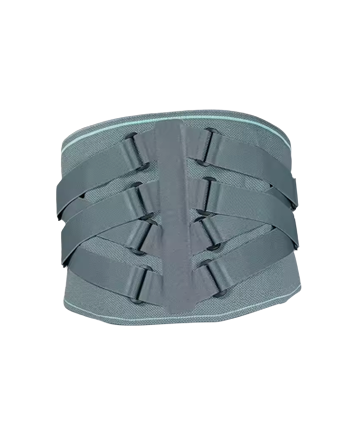
Adjustable designs use hook-and-loop fastening, buckle systems, or lace-up closures that allow the user to customize the compression level and fit. The ability to tighten or loosen the support between sets — or between training days — gives this category genuine versatility.
Key characteristics:
The trade-off is that adjustable designs are slightly bulkier than pull-on elastic versions. For users who prioritize freedom of movement or wear the support all day rather than only during training, this bulk can become a consideration.
Elastic designs are pull-on compression sleeves or wraps without adjustable hardware. They stretch to fit, apply consistent circumferential compression, and move with the body more naturally than rigid or semi-rigid alternatives.
Characteristics worth noting:
For online retail channels, Elastic Waist Support products tend to perform well because sizing is simpler and the compression-only function is easy for buyers to understand without needing in-person fitting.
This category prioritizes ventilation through mesh panels, perforated fabrics, or open-weave constructions that allow air circulation across the lower back during extended wear. The support function is typically moderate — closer to an elastic design than a rigid one — and the comfort function is the primary selling point.
Where Breathable Lumbar Support earns its place:
The market for breathable designs has expanded as lifestyle fitness has grown — users who train at moderate intensity for longer periods represent a large and consistent buying segment that values comfort over raw support performance.
At the high end of the support spectrum sit designs intended for powerlifting, competitive strength training, and users moving very heavy loads. These products are typically wider, stiffer, and apply more aggressive compression than general gym support products.
These are not the right product for general gym retail — the compression level and rigidity that makes them appropriate for a maximum-effort deadlift makes them uncomfortable for anything other than that specific purpose. For specialty retailers serving serious strength athletes, the category has a defined audience with strong brand loyalty and clear performance expectations.
This is where product knowledge creates real value for buyers and sellers alike. A gym user doing general fitness work has different needs from a competitive powerlifter, and recommending or stocking the wrong product creates dissatisfaction that damages repeat purchase rates.
| Training Type | Recommended Support | Primary Reason |
|---|---|---|
| General fitness and gym work | Elastic Waist Support | Comfortable, easy to use, low bulk |
| Cross-training and functional fitness | Adjustable Waist Support | Versatile compression across varied movements |
| Weightlifting and strength training | Adjustable Waist Support | Higher support level, customizable fit |
| Powerlifting and heavy compound lifts | Heavy-Duty Support | Rigid construction for load support |
| Long-duration workouts | Breathable Lumbar Support | Heat and moisture management during extended wear |
| Rehabilitation and recovery | Breathable Lumbar Support | Comfortable sustained wear without restricting movement |
Reading across this, no single design covers every training context adequately. Retailers stocking only one type will encounter users whose needs fall outside that product's strengths — which drives returns and negative feedback rather than loyalty.
For buyers evaluating products to stock or source, the selection criteria map fairly directly onto the training scenarios described above. But a few additional dimensions matter specifically from a commercial sourcing perspective.
The range from light compression to rigid high-support is wide. Stocking products across that range rather than clustering at one end of it covers more of the actual buyer population. Light support products sell in higher volumes to casual and beginner users; high-support products sell in lower volumes to serious athletes but at higher price points.
Adjustable designs reduce sizing complexity in retail environments. For wholesale buyers supplying gym retailers, adjustable products simplify inventory management because a narrower size range covers more customers. The Adjustable Waist Support category is particularly relevant for this reason.
Ventilation features have become a standard expectation in premium fitness products. Buyers sourcing for markets where warm-weather training is common, or where users wear support throughout a workout rather than only during heavy sets, should prioritize breathable constructions.
Elastic recovery — how well the fabric returns to its original shape after repeated stretching — determines how long the product maintains its support function. Materials that lose elasticity quickly feel looser after a few months of use, which generates return and replacement purchases rather than brand loyalty.
Gym environments are demanding on products. Sweat exposure, repeated compression and release cycles, contact with metal equipment, and frequent washing all test material and construction quality. Products that degrade quickly create negative feedback regardless of their initial performance.
A size range that does not cover the actual user population creates gaps in the market. For wholesale buyers, confirming that the manufacturer's size range covers the body size distribution of the target market before committing to a large order prevents inventory problems.
Channel characteristics shape which product types move well, and understanding this helps brands and distributors build product ranges that match their distribution reality rather than simply stocking products that seem technically capable.
Gym retailers and fitness specialty stores typically sell to users who want advice about which product suits their training. In this environment, a range covering elastic, adjustable, and breathable designs gives floor staff options to recommend based on the customer's specific activities. Adjustable Waist Support products reduce sizing-related returns, which matters for floor staff managing customer service.
Online retail and cross-border e-commerce favor products with clear, simple value propositions and low return rates. Elastic support products communicate their function easily through product descriptions and sell well in this channel. Adjustable designs also work well online because the customizable fit reduces the risk of ordering the wrong size.
Sports distributors typically want range diversity to serve multiple retail clients across different market segments. A distributor relationship with a manufacturer capable of supplying elastic, adjustable, breathable, and heavy-duty designs from a single source simplifies logistics and negotiation.
Fitness brands building private-label ranges need a manufacturer with OEM capability who can adapt designs to brand specifications — specific colors, logo placement, fabric choices, and packaging. This is where manufacturer selection becomes a genuine sourcing decision rather than a commodity purchase.
For buyers who have moved past product selection and are evaluating sourcing options, manufacturer capability matters beyond just the product specifications.
A capable manufacturer should demonstrate:
The difference between a manufacturer who simply produces to a standard product range and one who actively supports buyer product development is significant for brands trying to differentiate in the fitness market.
China Waist Support manufacturing sector has built a network of material suppliers, production plants, and export logistics that can accommodate large wholesale orders and smaller OEM runs with practical delivery schedules.
The practical advantages for international buyers include:
For Wholesale Waist Support buyers, the combination of cost efficiency and customization flexibility makes China sourcing relevant across multiple distribution models — from direct wholesale to branded OEM programs.
Wholesale purchasing decisions involve considerations beyond the product specification itself. Getting clarity on these before committing prevents operational problems after delivery.
Points to confirm with any supplier:
These logistics details shape whether a supplier relationship works in practice, not just on a product sample evaluation.
For general gym training, waist support provides stability and proprioceptive feedback rather than being strictly necessary. For heavy compound movements — squats, deadlifts, overhead press — external support reduces lower back strain during high-effort sets, which has a genuine protective function.
Adjustable designs offer more versatility because compression can be modified between sets and across different exercises. For general gym retail, they also reduce sizing-related returns. The trade-off is slightly more bulk compared to elastic designs.
Heat and moisture management. Users who wear support for extended periods, or who train in warm environments, find that breathable designs are considerably more comfortable than solid constructions. This comfort benefit translates directly into longer wear and better training consistency.
Yes. China's fitness product manufacturing industry supports wholesale orders across standard product ranges and custom OEM programs. Buyers should evaluate manufacturer capability for quality consistency and export compliance rather than treating all suppliers as equivalent.
Evaluate OEM capability, material sourcing range, production consistency, sample service, and export compliance experience. A manufacturer who can support product development — not just fill standard orders — provides more value for brands building differentiated product ranges.
This varies by manufacturer and product type. Standard product ranges typically have lower order requirements than fully customized OEM programs. Buyers should discuss their volume expectations early in the supplier evaluation process to confirm production viability.
The waist support category rewards specificity. Products that are well-matched to their target training context sell consistently and generate fewer returns; products that try to cover every use case without excelling at any of them tend to underperform in competitive retail environments. For brands and distributors building a support range, the combination of training-specific product selection and a manufacturing partner with genuine customization capability is what produces a commercially viable range rather than a commodity offering. Zhejiang Steriger Sports Medicine Technology Co., Ltd. manufactures waist support products across elastic, adjustable, and breathable designs with OEM and wholesale capability for international fitness brands and distributors, offering the production flexibility and quality consistency that differentiated product development requires. If your business is evaluating waist support sourcing options or developing a new fitness protection range, sharing your product requirements and target market specifications offers a direct way to start a productive supplier conversation.
Steriger is a national high-tech enterprise specializing in the R&D and production of high-quality sports supports, medical braces, and sports compression socks.
Copyright © Zhejiang Steriger Sports Medicine Technology Co., Ltd.
The information provided on this website is intended for use only in countries and jurisdictions outside of the People's Republic of China.

Approval No: 浙金药监械生产备20200039号

 English
 Español
 Deutsch
 عربى
عربى Français