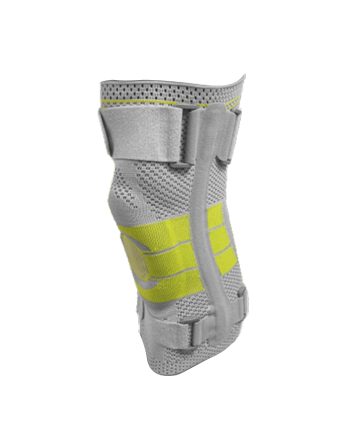
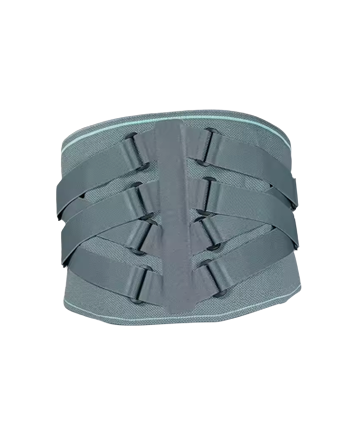
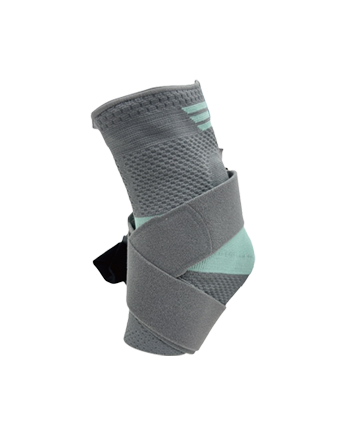
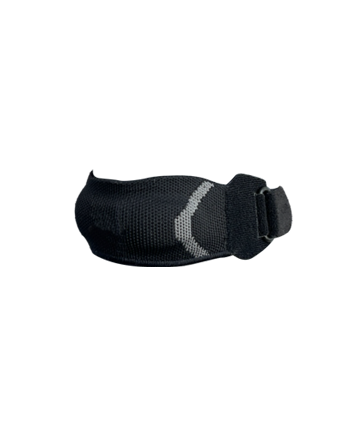
A warehouse worker bends down to lift a box for the fortieth time that morning. A construction worker carries a load of materials across a site. A delivery driver unloads packages from a truck. Each of these movements puts pressure on the lower back. Many workers in physical jobs experience back pain at some point. Some develop injuries that keep them away from work for weeks. The question that comes up again and again in safety meetings and procurement offices is whether a waist support belt actually helps prevent these injuries. A Waist Support Manufacturer produces these devices for industrial workplaces, but the effectiveness depends on many factors.
Physical labor places constant demands on the human body. The lower back bears a large portion of the load during lifting, bending, and carrying. Over time, repeated stress can result in strain, muscle fatigue, and further injury. Waist supports have become a common sight in warehouses, construction sites, and factories. Workers wear them believing they offer protection. Safety managers include them in personal protective equipment budgets. But understanding how these devices work and when they help requires a closer look at both back injuries and the mechanics of lumbar support.
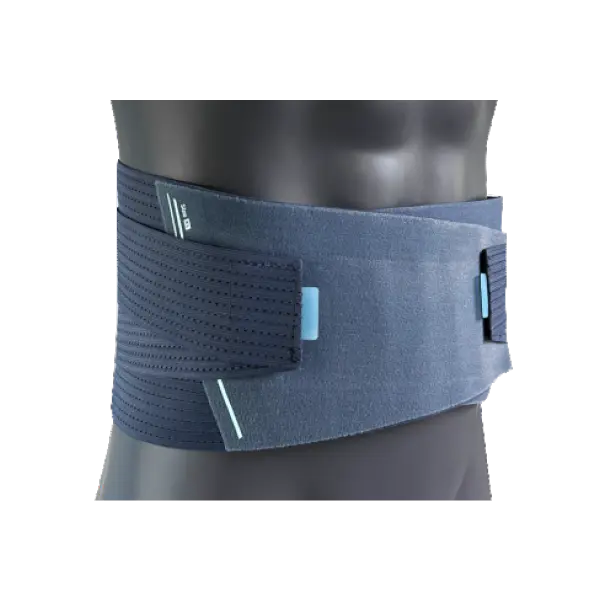
A waist support belt is a wearable device designed to wrap around the lower back and abdomen. The basic structure includes straps that fasten around the waist, elastic panels that provide tension, and reinforcement stays that add stability. Some designs use wide back panels. Others focus on targeted compression around the lumbar area.
The way a waist support works is straightforward. It applies external pressure to the lower back and abdominal region. This pressure creates a mechanical reminder for the wearer to maintain a certain posture. It also provides passive support to the lumbar spine during bending and lifting movements. The belt does not replace the body‘s natural muscles. Instead, it works alongside them, offering additional stability when the muscles tire or when the load becomes heavy.
Workplace environments where waist supports appear often include logistics centers, building sites, and factory floors. In these settings, workers perform repetitive motions hour after hour. The support belt acts as a tool that helps distribute some of the mechanical load away from the spinal structures and toward the belt‘s materials. This redistribution can reduce the peak pressure on specific parts of the lower back during a lift.
Back injuries in physical jobs do not usually happen from a single dramatic event. More often, they develop slowly over time. A worker lifts a slightly heavy box with a slightly bent back. The next day, the same motion happens again. After weeks or months of similar movements, the tissues in the lower back begin to show signs of wear. Muscles become strained. Ligaments stretch beyond their comfortable range. Discs between the vertebrae experience uneven pressure.
Repetitive lifting and bending create a pattern of stress that the body struggles to manage without rest. The problem grows worse when workers feel tired. A tired worker loses some natural core stability. The muscles that normally protect the spine do not respond as quickly or as strongly. In that state, even a routine lift can cause injury.
Incorrect posture during manual handling is another factor. A worker who bends at the waist instead of squatting puts extra leverage on the lower back. The spine acts like a long lever, and the muscles at the base of that lever work much harder than they should. Over a full shift, that extra effort adds up. Fatigue sets in earlier. The risk of injury rises.
Sudden load imbalance during carrying also causes problems. A worker picks up a box that shifts weight unexpectedly. The body twists to compensate, and the lower back takes the force of that twist. Long working hours with limited breaks give the back no chance to recover. Cumulative strain builds until the body finally signals pain.
A waist support addresses several of these risk factors. The external support it provides helps stabilize the lumbar region during lifting. When a worker bends forward, the belt resists some of that forward motion. This resistance does not stop the movement, but it does slow it down and encourage a more controlled action.
The compression and load redistribution effect matters for repetitive tasks. As the belt presses against the abdomen and lower back, it increases intra-abdominal pressure. This pressure acts like an internal air bag, pushing outward against the belt and inward against the spine. The result is a shared load between the belt and the body‘s own structures. No single part bears all the force.
Posture correction happens almost automatically with a well-fitted waist support. The belt provides tactile feedback. When a worker starts to bend incorrectly, the belt pulls or pinches slightly, reminding them to adjust. Over time, many workers report that wearing a support helps them become more aware of how they move throughout the day.
Reduced micro-strain during repetitive motion is another benefit. Each small movement puts a tiny amount of stress on the lower back. Without support, those micro-strains accumulate. With a belt, some of that stress transfers to the support system. The belt acts as a shock absorber for hundreds or thousands of small movements each shift.
For core muscle fatigue management, a waist support offers a backup system. When the deep muscles of the lower back grow tired after hours of work, the belt continues to provide stability. It does not replace those muscles, but it does supplement their work during the period when fatigue would otherwise increase injury risk.
Workers also report that wearing a waist support improves their awareness of lifting mechanics. The presence of the belt serves as a reminder to think about each lift. This psychological effect, combined with the physical support, contributes to safer movement patterns.
| Work Activity | Common Injury Risk | How Waist Support Helps |
|---|---|---|
| Lifting boxes from floor level | Lower back strain from bending | Provides external stability and encourages controlled movement |
| Carrying loads across distance | Muscle fatigue and posture drift | Distributes mechanical load across belt structure |
| Bending repeatedly at sorting station | Cumulative micro-strain | Reduces peak pressure on lumbar spine |
| Twisting while holding weight | Sudden load imbalance | Offers tactile feedback to discourage twisting |
| Standing for long periods on hard surface | General lower back fatigue | Maintains slight compression and postural awareness |
Not all waist supports work the same way. The choice between adjustable, elastic, and breathable designs affects how well the belt performs in different work conditions.
Adjustable waist support uses straps or buckles that let the wearer change the fit. A worker can tighten the belt for heavier lifting tasks and loosen it for lighter work or rest periods. This type offers flexibility in protection levels. The trade-off is that adjustable belts often have more hardware, which can add weight or create pressure points.
Elastic waist support relies on the stretch of the material to provide compression. These belts are simpler in design. They move with the body more naturally than rigid adjustable models. The level of protection tends to be moderate rather than firm. Elastic belts work well for jobs that require a wide range of motion, such as climbing or reaching.
Breathable lumbar support focuses on managing heat and moisture during long shifts. Physical work makes the body sweat. A belt that traps heat becomes uncomfortable after an hour or two. Breathable materials like mesh panels or perforated fabrics allow air to flow. Workers are more likely to wear a breathable belt for a full shift than one that feels hot and sticky.
Material differences between these types affect performance. Adjustable belts often use thicker elastic and rigid stays for firm support. Elastic belts use softer, more flexible materials. Breathable belts sacrifice some material density for airflow. Each choice involves a trade-off between support level, comfort, and wear time.
Industrial applications call for different features than consumer or medical use. A warehouse worker needs a belt that survives repeated bending and rubbing against boxes. A construction worker needs a belt that does not slip during climbing. A manufacturing line worker needs a belt that stays comfortable for a full ten-hour shift. Matching the belt type to the actual work matters for both effectiveness and willingness to wear it.
A waist support belt works better in some work situations than others. Knowing when the belt provides real help allows safety managers and workers to use it where it matters.
Warehouse lifting and loading operations represent one of the clear use cases. Workers in these settings pick up items from floor level, place them on carts or conveyor belts, and repeat the motion many times. The repeated bending and straightening puts stress on the lower back. A waist support worn during these tasks offers stability throughout the lifting cycle.
Construction and scaffolding work involves carrying materials up ladders, bending to place tools, and maintaining balance on uneven surfaces. The risk here comes from unpredictable loads and awkward body positions. A support belt provides a layer of protection against sudden movements or unexpected weight shifts.
Manufacturing assembly lines often require workers to stand in one place while reaching, twisting, and handling parts. The repetition of these movements over hours creates fatigue in specific muscle groups. A waist support helps manage that fatigue by sharing the load across the belt structure.
Logistics and delivery operations keep workers moving between vehicles, loading docks, and customer locations. The variety of surfaces and lifting heights means the body never settles into a single pattern. A waist support worn through the shift offers consistent feedback and support across changing conditions.
Repetitive bending and sorting tasks appear in many industrial settings. Workers sort packages, parts, or products into bins, bending each time to pick up and place items. The accumulation of small bends adds up to significant stress by the end of a shift. A waist support reduces the peak pressure on the lower back during each bend.
Long-duration standing jobs also benefit from waist support, though for different reasons. Standing for hours places constant load on the lower back without the relief of sitting or moving around. The belt provides gentle compression that helps maintain posture and reduces the feeling of fatigue.
The materials used in a waist support determine how well it holds up to daily use. Elastic tension consistency matters because a belt that stretches out of shape loses its supportive function. Quality elastic panels return to their original length after each use, shift after shift. Poor elastic stretches permanently, leaving the wearer with a loose belt that does nothing.
Breathability and heat management affect whether workers actually wear the belt through an entire shift. A belt made of solid, non-porous material traps sweat against the skin. The discomfort drives some workers to remove the belt after a short time. A belt with mesh panels or ventilated foam allows air to move, keeping the skin drier and the worker more comfortable.
Reinforcement strips and stability control come from stays sewn into the back panel. These strips provide resistance against forward bending. They also keep the belt from rolling or bunching during movement. The placement and number of these strips changes how the belt feels and performs.
Stitching quality and durability impact the lifespan of the product. A belt that sees daily use in a rough environment needs strong seams that resist pulling apart. Double stitching or reinforced stress points add reliability without changing how the belt works.
Fit adjustment system importance often gets overlooked. A buckle that slips or a strap that loosens during work forces the wearer to stop and readjust. Frequent readjustment means the belt provides uneven support. A simple, secure adjustment system keeps the belt where it belongs.
Ergonomic contour design helps the belt sit against the body without digging in at the edges. A straight-cut belt may press into the ribs or hips. A contoured belt follows the natural curve of the waist, spreading pressure across a wider area.
The manufacturer behind a waist support determines much of what a buyer can expect in terms of consistency, quality, and long-term supply. Manufacturing consistency and quality control vary between suppliers. A manufacturer that tests each batch of materials and checks finished products before shipping produces more reliable goods. A manufacturer that cuts corners on inspection sends out products with hidden defects.
Material sourcing differences affect the final product. One supplier uses elastic that retains tension after many stretches. Another uses elastic that feels similar when new but loses shape after a few weeks of use. The raw materials cost different amounts, and the difference shows up in how long the belt performs.
OEM and ODM customization capabilities matter for buyers who want to sell under their own brand or adjust the product for specific work conditions. A manufacturer that offers customization can change strap lengths, adjust panel sizes, or add features like extra padding or tool loops.
Industrial-grade versus consumer-grade product differences become clear when a belt faces daily industrial use. A consumer belt designed for weekend gardening or occasional home improvement projects fails quickly in a warehouse or construction site. An industrial-grade belt uses thicker materials, stronger stitching, and more durable hardware.
Production capacity and batch stability affect large buyers who need consistent products across many units. A manufacturer that produces small batches may change materials or methods between runs without notice. A manufacturer with steady production lines delivers the same product every time.
Long-term supply reliability matters for distributors and safety equipment programs. Changing suppliers often takes time and money. A manufacturer that keeps stock and communicates clearly about delivery schedules becomes a reliable partner.
China has become a center for waist support manufacturing. The supply chain there offers certain advantages for buyers looking for wholesale quantities.
Advantages of China-based manufacturing include access to a wide range of materials and components in one region. Elastic webbing, hook-and-loop fasteners, buckles, and foam padding all come from nearby suppliers. This concentration keeps production times shorter than in places where materials travel long distances.
Wholesale production scalability means a manufacturer can handle orders from small batches to large container loads. A buyer testing the market with a few hundred pieces can later order tens of thousands from the same supplier. The production lines adjust without major delays.
OEM customization for industrial clients is common among China Waist Support suppliers. Many factories have design teams that work with buyers to create products for specific work environments. A logistics company might need belts with reflective strips. A construction firm might want extra-wide back panels.
Export packaging and logistics readiness matters for buyers outside China. A supplier experienced in export knows how to pack products to survive ocean freight. They understand documentation requirements and shipping timelines.
Communication and specification alignment can be a challenge when working across time zones and languages. A reliable supplier assigns a point of contact who speaks the buyer‘s language clearly and answers questions about materials, dimensions, and testing.
Factory versus trading company distinction is worth understanding. A factory makes the products itself and controls production directly. A trading company buys from multiple factories and resells. Factories often offer lower prices and better customization. Trading companies offer a wider product range from one order.
Finding a good supplier takes more than looking at a website or a catalog. A few practical steps help separate dependable manufacturers from those that deliver inconsistent quality.
Checking material elasticity and durability consistency starts with asking for material specifications. A good supplier provides information about elastic recovery rates and tensile strength. Better yet, the buyer requests a sample and tests it by stretching the belt many times to see how it holds up.
Verifying adjustable system performance means working the buckles and straps repeatedly. A cheap buckle slips under tension. A well-made buckle stays where the user sets it. The adjustment system should feel smooth and secure.
Testing comfort during prolonged wear requires wearing the belt for an extended time, not just trying it on for a brief moment. A belt that feels fine in the beginning may dig into the hip bones after hours of bending and lifting. A sample worn for a full shift reveals problems that a quick fit check misses.
Evaluating production consistency across batches involves ordering small test batches before committing to a large order. A batch looks good. Another batch shows small differences. A later batch may change entirely. A reliable supplier delivers the same product each time.
Requesting samples for real-world testing is standard practice in industrial procurement. Any serious supplier sends samples to serious buyers. The samples go to actual workers who wear them during their regular shifts. Their feedback matters more than any specification sheet.
Assessing supplier responsiveness and engineering support happens during the initial conversation. A supplier that takes days to answer simple questions may also take days to address quality problems. A supplier that answers quickly and offers suggestions shows they care about the working relationship.
Buyers and safety managers sometimes make choices that result in poor outcomes. Avoiding these mistakes saves money and improves worker protection.
Choosing based only on price brings belts that fail quickly or provide little actual support. A low price often means a low grade of elastic, thin padding, and simple hardware. Workers stop wearing uncomfortable or ineffective belts, and the purchase becomes wasted money.
Ignoring breathability for long working hours creates discomfort that drives workers to remove the belt. A belt worn for only part of a shift protects only part of the time. The injury can happen during the hours when the belt sits in a locker.
Using non-industrial-grade products in heavy labor leads to belts that tear, stretch out, or break at the seams. A consumer belt cannot handle the demands of a construction site or a busy warehouse. The failure happens when the worker needs support the most.
Over-restrictive designs reduce mobility and slow down work. A belt that locks the back into a rigid position prevents the natural movement needed for many tasks. The worker struggles to bend or twist, then takes the belt off to get the job done.
Misunderstanding support level requirements happens when buyers assume more support is always better. A worker doing light sorting needs different support than a worker lifting heavy engine parts. The wrong level of support either provides too little protection or too much restriction.
Assuming all suppliers offer the same quality standards leads to disappointment. One manufacturer‘s medium support matches another‘s firm support. One uses steel stays while another uses plastic that snaps. Specifications need clear definitions, not assumptions.
Can waist support actually prevent back injuries in physical work? The answer depends on how workers use it and what kind of support they wear. A well-designed belt worn correctly during high-risk tasks reduces strain on the lower back. It does not eliminate all risk, but it adds a layer of protection.
How does lumbar support reduce strain during lifting? The belt increases pressure inside the abdominal cavity. This internal pressure pushes outward against the belt and inward against the spine, creating a shared load system. The spine experiences less peak force during the lift.
Is waist support effective for long working hours? Effectiveness declines if the belt becomes uncomfortable. A breathable, well-fitted belt maintains its function across a full shift. A hot, stiff belt gets removed early, and protection stops.
What is the difference between elastic and adjustable waist support? Elastic belts use material stretch for compression and work well for jobs requiring motion. Adjustable belts use straps to change tension and provide firmer control for heavy lifting. Each type suits different work conditions.
Can waist support replace proper lifting techniques? No. The belt works alongside good body mechanics. It does not replace them. Workers still need training on squatting, keeping loads close to the body, and avoiding twisting.
Does breathable lumbar support improve long-term comfort? Yes, especially in warm environments or during physical work that raises body temperature. Airflow keeps the skin drier and the wearer more willing to keep the belt on.
When should workers wear waist support during shifts? Workers put on the belt before starting high-risk activities like heavy lifting or repetitive bending. They remove it during rest breaks or low-risk tasks to give the skin and muscles a break.
Can improper use of waist support increase discomfort? A belt worn too tight presses into internal organs and restricts natural movement. A belt worn too loose slides around and offers no support. A belt worn over damaged or irritated skin makes the problem worse.
What makes industrial waist support different from medical belts? Industrial belts focus on work-related movements like bending and lifting. Medical belts address recovery from specific injuries or surgeries. The two products serve different purposes and should not be swapped without consideration.
How do you know if a Waist Support Manufacturer is reliable? A reliable manufacturer sends clear material specifications, responds to questions promptly, provides samples for testing, and maintains consistent quality across multiple orders. They also understand industrial work conditions and design products accordingly.
Matching support type to work intensity level starts with understanding the job. Light sorting and packing work needs a breathable, elastic belt that provides moderate support without restricting motion. Heavy lifting and carrying work needs an adjustable belt with firm elastic and reinforced stays.
Balancing comfort, flexibility, and protection means accepting trade-offs. A belt that offers very firm protection may feel stiff and uncomfortable during long hours. A belt that feels soft and flexible may not provide enough support for heavy loads. The right balance depends on the specific work.
Importance of breathable materials for long shifts cannot be overstated. A worker who sweats through a belt loses comfort and then loses willingness to wear the belt. Breathable mesh panels or perforated foam extend the hours a worker keeps the belt on.
Supplier capability versus product specification alignment comes down to asking the right questions. Does the manufacturer control their own material sourcing? Do they test finished products? Can they handle the order volume needed? The answers separate capable suppliers from the rest.
OEM customization potential for brands and distributors opens up options for creating products that stand out. A buyer who wants a specific color, a custom size range, or added features needs a manufacturer with design and production flexibility.
A final checklist for industrial procurement decisions includes requesting material test reports, ordering samples for worker testing, checking references from other industrial buyers, verifying production capacity for reorders, and confirming export experience if shipping across borders.
Back injuries in physical work environments come from repeated stress, fatigue, and poor movement patterns. A waist support belt addresses these factors by providing external stability, distributing mechanical load, and offering tactile feedback that encourages better posture. The belt does not work alone. Proper lifting technique, adequate rest breaks, and attention to body mechanics all play a part in keeping workers safe. But a well-designed waist support worn correctly during high-risk tasks adds a valuable layer of protection that reduces strain on the lower back. Choosing the right support means looking beyond price to consider material quality, breathability, adjustment systems, and how the belt fits into actual work conditions. A belt that workers wear for a full shift protects for a full shift. A belt that sits in a locker protects no one. For buyers and safety managers seeking a reliable partner in this category, Zhejiang Steriger Sports Medicine Technology Co., Ltd. offers industrial-grade waist support products designed for the demands of physical work environments. The right support system, combined with proper training and consistent use, helps workers stay safer while doing the jobs that keep our world moving.
Steriger is a national high-tech enterprise specializing in the R&D and production of high-quality sports supports, medical braces, and sports compression socks.
Copyright © Zhejiang Steriger Sports Medicine Technology Co., Ltd.
The information provided on this website is intended for use only in countries and jurisdictions outside of the People's Republic of China.

Approval No: 浙金药监械生产备20200039号

 English
 Español
 Deutsch
 عربى
عربى Français