You started wearing waist support to ease discomfort, but something still feels off — the pressure is either too much or too little, you are not sure how long to keep it on, or the relief you expected simply has not arrived. These are not unusual complaints. A considerable number of lumbar support users encounter this pattern, and often the product itself is not the cause. The issue lies in how it is used. How it is being used is. Partnering with a reliable Waist Support Manufacturer becomes relevant not just at the sourcing stage but when understanding why end users struggle with the products they already have — because those struggles drive what buyers need next.
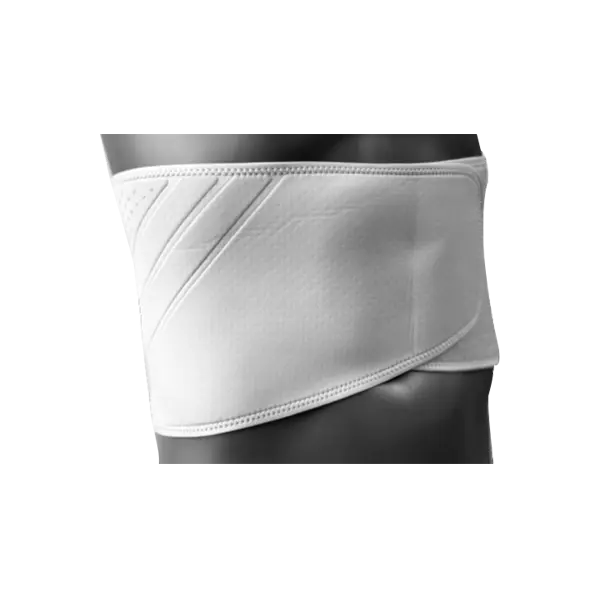
Putting on a waist support and using it effectively are two different things. The physical act of strapping something around the midsection takes seconds. Understanding when to wear it, how snug to make it, and how long to keep it on takes more thought — and many users never receive that guidance. When waist support is worn incorrectly, the consequences are not always immediate. Discomfort may develop gradually. Effectiveness may decrease over weeks. In some cases, the wrong usage pattern actively works against the recovery or performance goal the user had in mind.
When worn appropriately for the right activities and with the right fit, waist support can:
The support itself does not do the work — it creates conditions that allow the user's body to function better. That distinction shapes how the product should be worn and for how long.
This is probably a frequent error, and it is understandable. Users assume that tighter means more supportive. In practice, excessive compression restricts circulation, limits breathing mechanics, and can cause its own discomfort independently of whatever issue prompted them to wear the support initially.
The right level of compression holds the lumbar area firmly without squeezing. Skin should not be reddening, breathing should not feel restricted, and the user should be able to sit and stand without the support digging in at the edges.
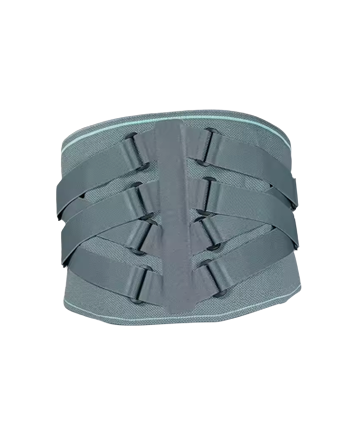
An Adjustable Waist Support addresses this directly. Rather than a single fixed compression level, adjustable closure systems allow the user to fine-tune how much pressure is applied — and to modify it as the day progresses or activity levels change.
The opposite error is also common, particularly among users who have experienced discomfort from over-tightening and overcorrect. A support that is too loose provides no meaningful positional feedback, shifts position during movement, and bunches at the waist rather than conforming to the lumbar curve.
Signs of insufficient compression include the support riding up during activity, visible gaps between the brace and the body, and a complete absence of any sense of stabilization during movement.
Extended continuous wear is one of the more consequential mistakes because its effects build slowly. Waist support is designed to assist the lumbar musculature — not to replace it. When worn continuously over long periods, the core and back muscles receive less stimulus to maintain their own capacity. Over time, this can create a dependency pattern where the user feels unstable without the support, even in situations where it was not previously needed.
The appropriate approach is to wear it during specific activities that require the additional support — lifting, extended sitting at a desk, physical training — and to spend time without it during lighter activity and rest periods. This preserves the muscular function that the support is meant to complement.
Waist support is not a single category. The design, material, stiffness level, and compression profile differ significantly between products intended for different uses. Wearing a rigid rehabilitation brace during aerobic training introduces unnecessary restriction. Wearing a lightweight elastic support during heavy lifting provides inadequate structural stability.
A practical breakdown by use case:
Matching the product to the activity is where a significant portion of user dissatisfaction originates. It is also where product development conversations between brands and Waist Support Manufacturers typically begin.
Heat and moisture accumulation under a support that lacks adequate ventilation creates skin irritation, discomfort, and in some cases contact dermatitis. This problem worsens in warmer climates, during physical activity, and during long wear periods.
A Breathable Lumbar Support incorporates mesh panels, moisture-wicking fabric, or perforated materials that allow air circulation while maintaining compression. For users who wear support during the working day or through physical activity sessions, breathability is not a luxury feature — it is a functional requirement.
When users complain that waist support is uncomfortable to wear for more than an hour or two, the cause is often thermal and moisture build-up rather than fit or compression. The solution is a breathable design rather than adjustments to how the current product is worn.
Elastic and fabric materials fatigue over time. A support that provided firm, consistent compression when new may have lost significant elastic tension after months of regular use. The user may not notice the gradual change because it happens incrementally, but the functional result is a product that no longer delivers what the label or the original experience suggested.
An Elastic Waist Support that has reached the end of its practical service life will stretch noticeably without rebounding, feel loose even at its tightest setting, and show visible distortion in the fabric or seams. At that point, continuing to wear it provides psychological reassurance but limited physical benefit.
Replacement intervals depend on frequency of use and washing, but regular assessment of tension and structural integrity keeps users aware of when a replacement is due.
This mistake shows up at both the individual consumer level and in wholesale procurement decisions. A lower-cost support often reflects lower-grade elastic materials, reduced stitching quality, and simpler closure systems that offer less adjustability and wear out faster. The lower initial price is offset by more frequent replacement, reduced user satisfaction, and — in commercial contexts — higher return rates and negative reviews.
For buyers sourcing Wholesale Waist Support products, price-per-unit analysis without factoring in material quality, manufacturer capability, and expected product lifespan consistently produces poor value outcomes. Understanding what distinguishes a durable, well-constructed support from an inexpensive one requires either testing or working directly with a Waist Support Manufacturer who can document material specifications and production standards.
Using waist support effectively involves a few consistent practices:
These practices apply across different support types and activity contexts. They are the difference between using waist support as a tool and treating it as a permanent fixture.
The mistake of using the wrong product type for a given activity is preventable at the point of selection. Understanding what different design categories offer helps users and buyers make better decisions.
| User Context | Recommended Support Type | Key Feature Priority |
|---|---|---|
| Office work and daily wear | Breathable Lumbar Support | Ventilation, light compression, posture feedback |
| Physical training and gym use | Elastic Waist Support | Stretch recovery, dynamic fit, warmth retention |
| Variable activity schedule | Adjustable Waist Support | Closure flexibility, adaptable compression |
| Post-injury or rehabilitation | Structured lumbar brace | Panel rigidity, movement limitation, medical alignment |
| Manual labor and lifting | High-support Elastic Waist Support | Compression stability, durability, load protection |
| Travel and prolonged sitting | Lightweight Breathable Lumbar Support | Portability, ventilation, lower-profile design |
This kind of categorization is useful for individual users making purchasing decisions and for procurement teams building product ranges that address multiple user segments within a single catalog.
The mistakes users make when wearing waist support are not just behavioral problems — they are signals about product design opportunities. Each recurring mistake points toward a product category or feature that the market is underserving.
Procurement teams and brand developers who track these patterns can use them to refine sourcing priorities, develop private-label specifications, and differentiate their product range from commodity options.
A reliable Waist Support Manufacturer contributes more than the physical product. The knowledge embedded in material selection, pattern engineering, and quality control processes affects how well the product performs in the hands of the end user — and how that performance reflects on the brand selling it.
Key criteria when evaluating a manufacturer:
These criteria separate manufacturers who supply commodity products from those who function as development partners for brand-building buyers.
China Waist Support manufacturing has developed substantial infrastructure across material supply, production capacity, and export logistics. Buyers sourcing from this base can access a wide range of support types — from basic elastic designs to technically complex adjustable and breathable configurations — within a cost structure that supports competitive retail pricing in export markets.
The advantages that consistently draw international buyers include:
Working with an established China-based Waist Support Manufacturer does not require accepting generic catalog products. The more capable suppliers actively develop products to buyer specifications and can produce differentiated items that align with specific market needs.
Yes, and it frequently does. Over-compression restricts circulation and causes pressure discomfort at the edges of the support. Under-compression allows the support to shift during movement, which can cause chafing. Extended continuous wear without breaks creates heat and moisture build-up. Each of these issues is a function of how the product is worn rather than the product itself.
It should be firm enough to feel consistent contact with the lumbar area and to provide a sense of stabilization during movement. It should not be tight enough to restrict breathing, cause skin redness at the edges, or produce a sensation of squeezing rather than support. Adjustable Waist Support designs allow the user to find this level without being locked into a single compression setting.
Wearing it every day during specific activities is generally fine. Wearing it continuously throughout the entire day, every day, without breaks is not advisable. The muscular support function needs to remain active to prevent dependency. Using the support during tasks that require it and removing it during lighter activity and rest periods is a more sustainable pattern.
For users who need to wear support across a full working day, a Breathable Lumbar Support with ventilated panels reduces the thermal and moisture discomfort that builds during extended wear. Combining breathability with an adjustable closure allows the user to modify compression as the day progresses.
For many users, yes. Fixed compression supports require the user to choose a single level that works for all activities. An Adjustable Waist Support lets the same product be worn at different compression levels based on the activity — lighter during desk work, firmer during lifting. This flexibility reduces the need for multiple products.
Look for manufacturers who can document material specifications, demonstrate production consistency across batches, offer design development services rather than only catalog products, and provide references or case examples from brands they have supplied. A reliable Waist Support Manufacturer will be able to engage with technical questions about material performance rather than responding only with price lists.
Understanding how waist support is misused is not just useful health education — it maps directly onto what buyers, brands, and procurement teams should be looking for when they source or develop products in this category. Every recurring usage mistake reflects a product design gap or a communication failure between the manufacturer and the end user. The brands that close those gaps — through adjustable closure systems, breathable fabric engineering, appropriate compression ranges, and durable elastic materials — consistently perform better in their markets than those offering undifferentiated commodity items. Zhejiang Steriger Sports Medicine Technology Co., Ltd. develops and manufactures waist support products across a range of designs, including adjustable, breathable, and elastic configurations suited to daily wear, active use, and rehabilitation applications. For buyers looking to source or develop waist support products that align with real user needs, reaching out to their team for product specifications or OEM development discussions is a practical starting point.
Steriger is a national high-tech enterprise specializing in the R&D and production of high-quality sports supports, medical braces, and sports compression socks.
Copyright © Zhejiang Steriger Sports Medicine Technology Co., Ltd.
The information provided on this website is intended for use only in countries and jurisdictions outside of the People's Republic of China.

Approval No: 浙金药监械生产备20200039号

 English
 Español
 Deutsch
 عربى
عربى Français