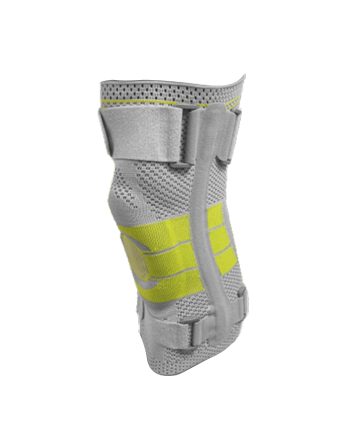
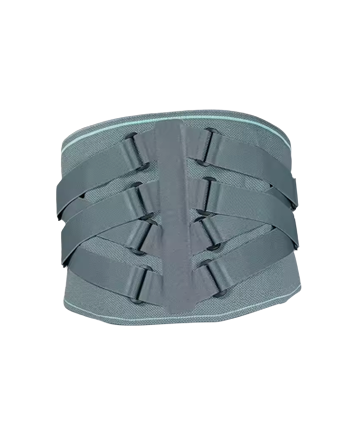
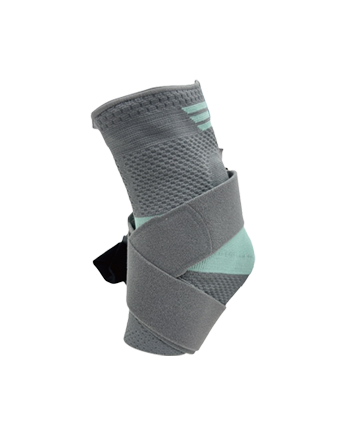
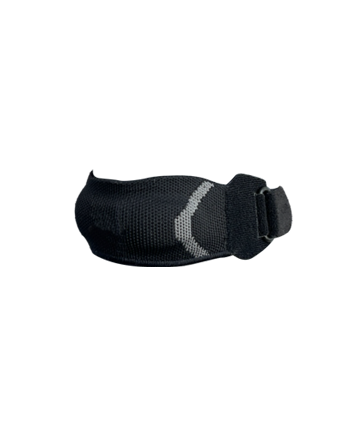
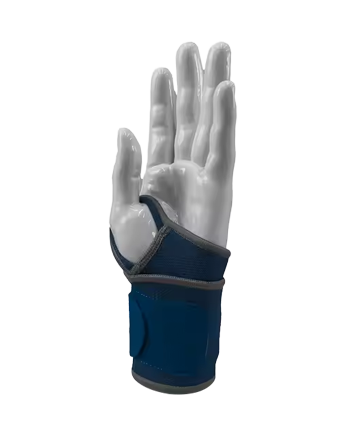
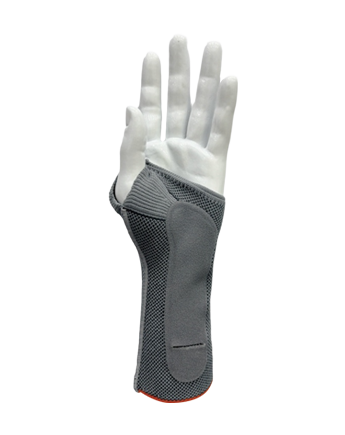
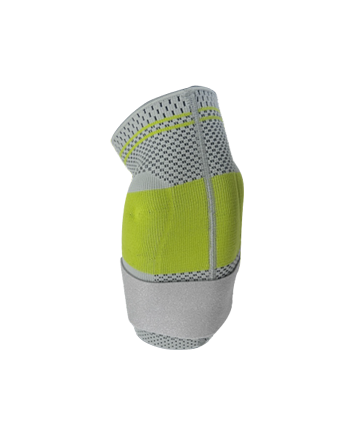
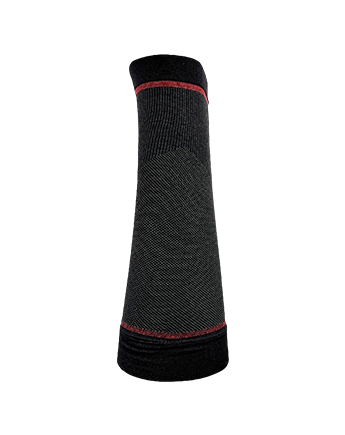
When knee pain sidelines daily life or interrupts a chosen sport, the question of supportive devices often rises to the top of clinical and personal conversations: when the knee requires ample support, what options actually help, and how should they be used? Health professionals and rehabilitation specialists emphasize that external support can play a useful role — but only as part of a planned approach that includes diagnosis, targeted therapy, and progressive strengthening.
Knee support devices provide temporary external stability, help control painful movements, and can reduce swelling through gentle compression. In many cases they serve as a bridge — enabling safer function while tissues heal or while a person participates in a supervised rehabilitation program. At the same time, clinicians warn against assuming a support device alone will restore long-term function; complementary strategies are usually required.
Support devices influence the knee in a few predictable ways:
Stabilization and motion control. External supports limit rotational forces and excessive bending that could stress healing ligaments or irritated tissues.
Load redistribution. Certain supports change how weight and pressure are transmitted through the joint, easing discomfort from wear in specific areas.
Compression and proprioception. Gentle compression reduces swelling and gives the wearer enhanced sensory feedback, which can reduce the feeling of instability.
Medical teams typically consider support devices in these common scenarios:
There are several circumstances in which reliance on an external device can be counterproductive or insufficient:
A measured approach begins with a clear assessment and ends with a plan that reintroduces load and movement:
Level of instability and activity demands.
Pain pattern and location within the joint.
Stage of recovery (acute, subacute, chronic).
Patient preference and tolerance for bulk or restriction.
| Clinical Situation | Support Role | When to Reassess |
|---|---|---|
| Ligament sprain / partial tear | Limit risky motion; protect during early healing | After initial tissue healing or with progress in strength |
| Post-operative recovery | Provide controlled stability during staged mobilization | At each follow-up to adjust support levels |
| Localized joint wear | Redistribute load away from painful compartment | If pain persists despite activity modification |
| Return-to-sport phase | Offer transitional protection during gradual training | When neuromuscular control and strength meet activity demands |
| Recurrent mild instability | Improve confidence and reduce symptomatic episodes | If weakness progresses or daily function declines |
Even when a support device is helpful, safe practice matters:
Rehabilitation is the engine behind lasting recovery. A typical sequence includes pain control, restoration of range of motion, progressive loading through strengthening, and return-to-activity training that emphasizes movement quality. When these steps are followed, many people successfully reduce their dependence on external supports and regain confidence in everyday and athletic tasks.
Support devices can help people move, reduce symptoms, and participate in rehabilitation when the knee requires ample support, but they should be prescribed thoughtfully and used as part of a plan that emphasizes repair, strengthening, and functional recovery. Health professionals recommend individualized assessment, clear goals for when and how to use a device, and scheduled reviews that prioritize restoring the body’s own stabilizing systems. For guidance tailored to a specific condition and to explore evidence-based pathways for recovery, consult a qualified clinician or rehabilitation team, and consider resources from trusted clinical partners like steriger.
Steriger is a national high-tech enterprise specializing in the R&D and production of high-quality sports supports, medical braces, and sports compression socks.
Copyright © Zhejiang Steriger Sports Medicine Technology Co., Ltd.
The information provided on this website is intended for use only in countries and jurisdictions outside of the People's Republic of China.

Approval No: 浙金药监械生产备20200039号

 English
 Español
 Deutsch
 عربى
عربى Français