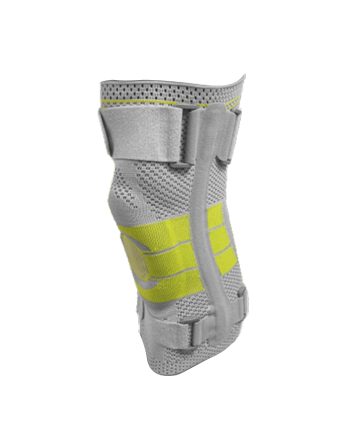
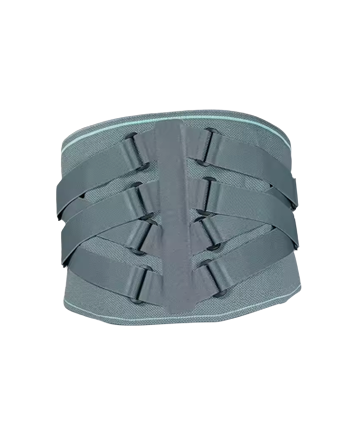
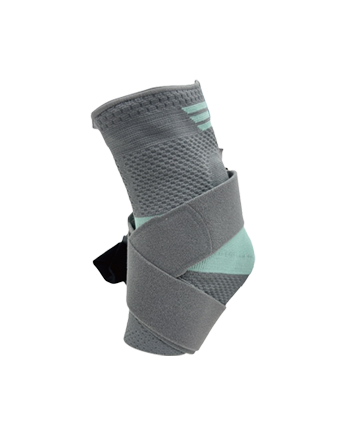
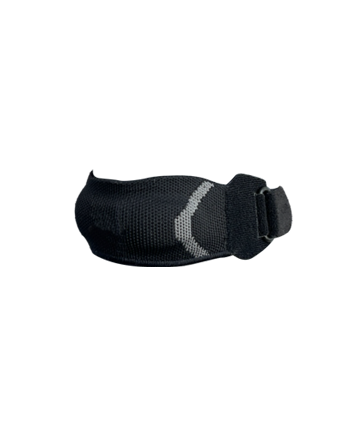
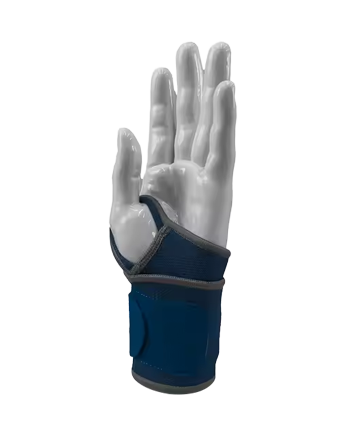
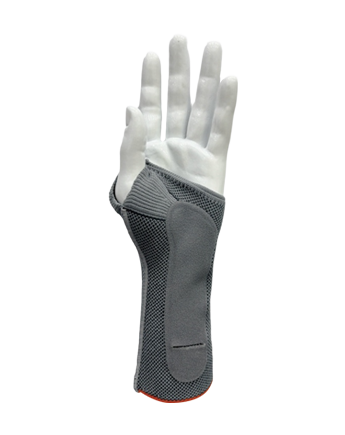
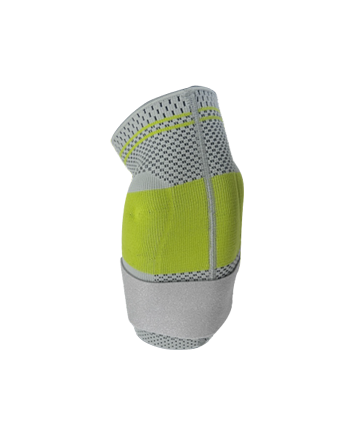
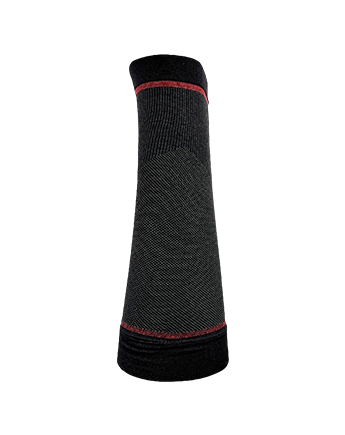
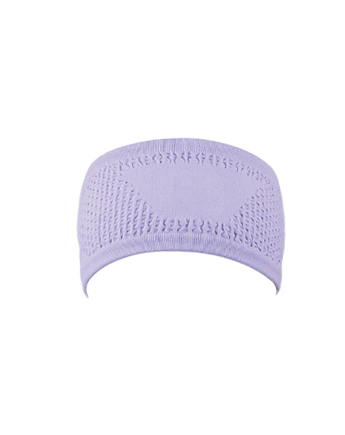
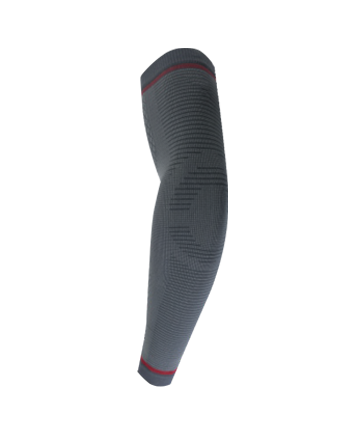
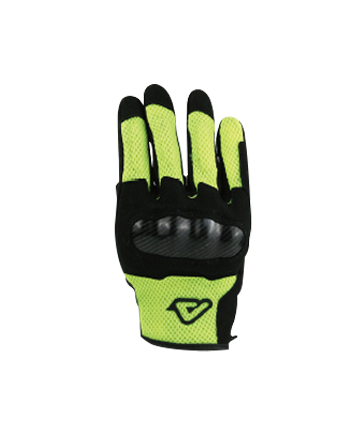
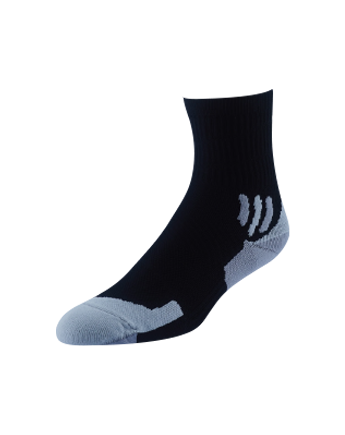
A growing number of people are turning to simple wrist supports as a practical response to the daily aches and movement limits many now face. From office workers who spend long hours handling keyboards to recreational athletes who rely on secure grip, wrist supports are receiving attention for their role in easing pain, preventing re-injury, and helping people carry on with ordinary tasks. In recent coverage of musculoskeletal care and ergonomic solutions, experts and users alike stress that modest interventions can make an appreciable difference in comfort and function.Wrist supports are intended to limit harmful movement, encourage alignment, and protect healing tissues.
A well-fitted support reduces sudden or awkward motion and can reduce pressure on tender tissues. For people experiencing persistent discomfort, limiting movement that triggers pain often allows daily tasks to be completed with less interruption.
Those who repeat the same wrist motions — whether through work, hobbies, or exercise — often use a support to lower the chance of developing repetitive strain. A support can act as both a physical barrier and a reminder to avoid risky positions.
After a wrist sprain or minor procedure, a period of controlled immobilization helps tissues rest. Keeping the joint relatively steady during the early healing phase can help tissues repair and can make the transition back to activity safer.
For people who need steadiness and control in grip-intensive tasks, the right support can give more predictable wrist alignment and reduce the need to consciously guard every motion.
Healthcare professionals often describe wrist supports as part of a layered approach. Used together with movement education and progressive strengthening, a support can be a bridge between rest and active recovery. It does not replace targeted exercise or clinical guidance, but it can lower daily friction and provide a stable platform for retraining motion.
Indicators that a support may help
| Typical concern | How a support can assist |
|---|---|
| Repetitive soreness from typing or crafting | Limits good wrist positions; encourages neutral alignment during tasks |
| Post-injury sensitivity | Reduces motion that stresses healing tissue; provides protective stability |
| Grip instability during activity | Offers predictable alignment for steadier grasp and control |
| Habitual poor wrist posture | Serves as a tactile reminder to maintain a safer wrist position |
Many users report that a support allows them to continue moderate activity without pushing through pain, while they follow a plan of progressive return-to-function.
While many people find relief, others emphasize the importance of avoiding over-reliance. A support that is worn constantly without a plan for gradual strengthening can encourage dependence and delay full functional recovery. Thus, the good useful approach blends short, targeted use of a support with guided exercises and sensible activity modifications.
Supports are available across a wide range of styles and materials. Practical choices often come down to comfort, breathability, and how well the device permits or limits movement in ways that match the user’s goals. For example, someone focused on rest and repair will favor a firmer option that restricts motion, while a person seeking task-specific stability may prefer a lighter design that allows more finger movement.
Care pathways for wrist issues now commonly include ergonomic review, activity modification, and staged exercise programs. Supports are frequently used as short-term tools to facilitate adherence to these plans. When combined with simple workplace changes and periodic reassessment, supports can help maintain function while underlying issues are addressed.
Decision-making about wrist care is good effective when it includes a realistic plan: temporary use of a support, gradual strengthening, and professional consultation if symptoms persist or worsen. For readers exploring options, trying a support during specific tasks and tracking any change in pain or function can be a useful good step. For additional resources and general guidance, see steriger.
Steriger is a national high-tech enterprise specializing in the R&D and production of high-quality sports supports, medical braces, and sports compression socks.
Copyright © Zhejiang Steriger Sports Medicine Technology Co., Ltd.
The information provided on this website is intended for use only in countries and jurisdictions outside of the People's Republic of China.

Approval No: 浙金药监械生产备20200039号

 English
 Español
 Deutsch
 عربى
عربى Français