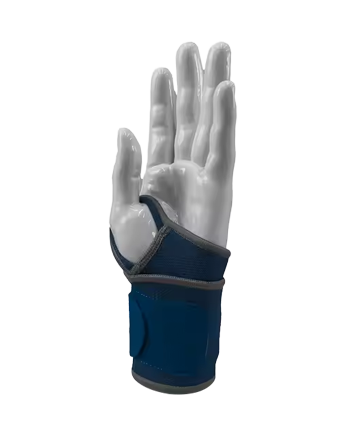
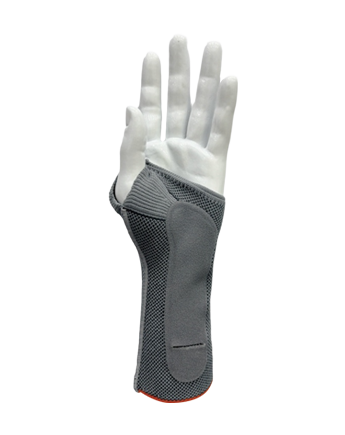
Wrist discomfort is a common complaint that can range from a brief nuisance to a signal of an underlying condition that needs care. Recent attention from health professionals and patient groups has focused on how to recognize when wrist pain crosses a threshold from temporary to concerning. As clinics and therapy centers report rising inquiries about hand and wrist problems, questions about conservative measures such as braces, splints and targeted Wrist Support have become central to conversations about recovery, prevention and return to daily tasks.
Wrist problems affect a wide range of people — from those who work at desks to individuals engaged in manual tasks or athletic activities. When pain does not settle, mobility and function can be affected, with consequences for work and leisure. Health providers encourage clear recognition of warning signs so people can seek assessment at an appropriate time and avoid prolonged dysfunction.
1) Pain that stays beyond the usual recovery window
2) Swelling, heat, or visible redness
3) Numbness, tingling, or altered sensation
4) Noticeable weakness or loss of function
5) Severe pain after injury or visible deformity
6) Night-time pain that interrupts sleep
Medical and therapy professionals typically begin with a careful examination of movement, strength and nerve function. Interventions may include guided exercises, manual techniques, education on posture and daily habits, and temporary protective supports. The goal is to restore reliable movement while addressing the source of symptoms and preventing recurrence.
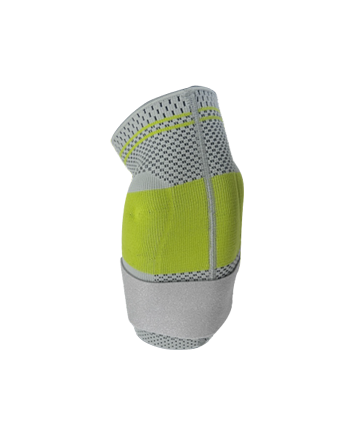
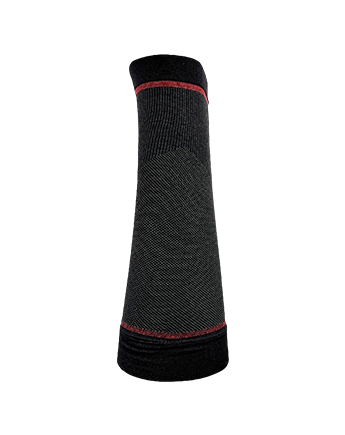
Supportive devices are one part of a broader care plan. They may be recommended to:
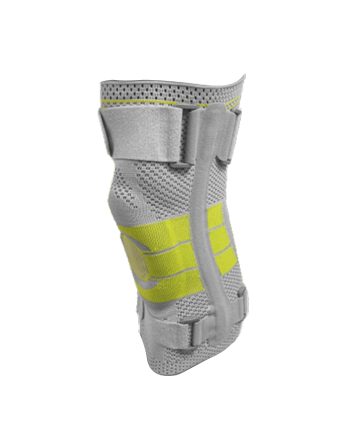
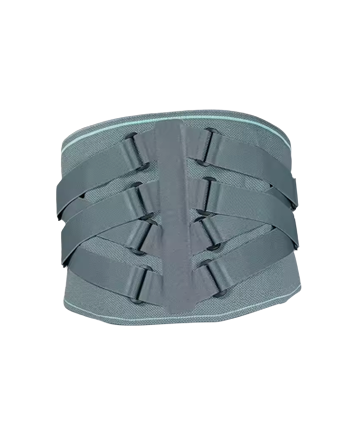
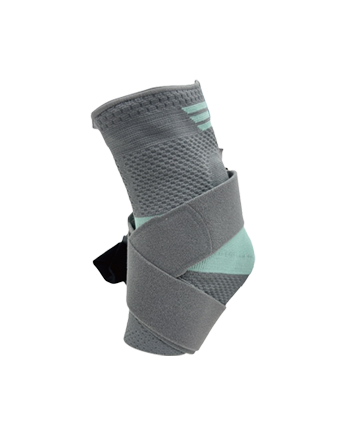
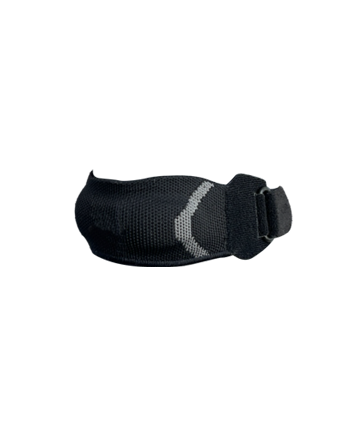
Choosing an appropriate device depends on the problem identified and the activity demands of the individual. Where a device is used, it is commonly combined with a targeted program to restore function and reduce reliance on support over time. The term Wrist Support has entered general use as a descriptor for a range of braces and splints used in these situations.
| Warning Sign | Possible Meaning | Typical early action |
|---|---|---|
| Persistent pain | Tendon or joint irritation | Seek assessment; start modified activity and guided exercises |
| Swelling/redness/heat | Inflammation or injury | Rest, cold, elevation; medical review if persistent |
| Numbness or tingling | Nerve irritation or compression | Early evaluation; nerve-protective strategies |
| Weakness or function loss | Muscle or nerve involvement | Strength and coordination program; protective support if needed |
| Severe post-injury pain | Possible fracture or major ligament damage | Urgent medical attention |
Immediate medical attention is advised for severe swelling, a visibly deformed wrist, signs of poor circulation in the hand, or symptoms suggesting infection (spreading redness, fever). Early imaging or specialist review may be needed in these situations.
Supportive devices can play a useful role in reducing pain and protecting tissues while a recovery program begins. However, clinicians often emphasize the importance of integrating exercises that restore movement, strength and nerve mobility so that the wrist regains reliable function without ongoing dependence on support. Education about body mechanics and task pacing is also a key component of lasting improvement.
Wrist pain that shows the warning signs outlined above should prompt a timely conversation with a healthcare provider. Early evaluation helps identify the right mix of protection, therapy and habit change to restore function. For readers seeking further information on support options and recovery strategies, additional resources can be found at steriger.
Steriger is a national high-tech enterprise specializing in the R&D and production of high-quality sports supports, medical braces, and sports compression socks.
Copyright © Zhejiang Steriger Sports Medicine Technology Co., Ltd.
The information provided on this website is intended for use only in countries and jurisdictions outside of the People's Republic of China.

Approval No: 浙金药监械生产备20200039号

 English
 Español
 Deutsch
 عربى
عربى Français