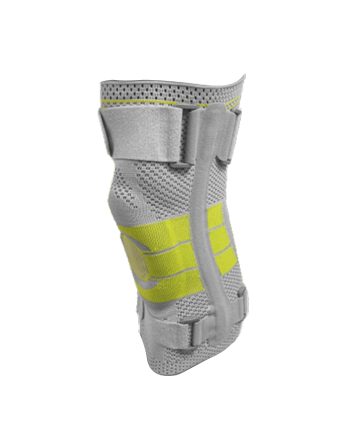
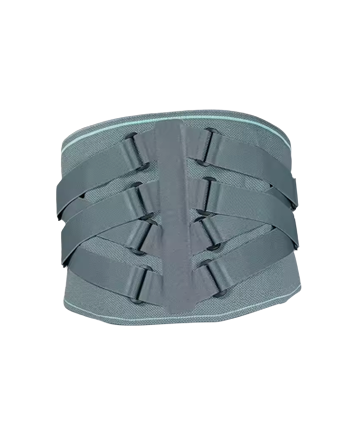
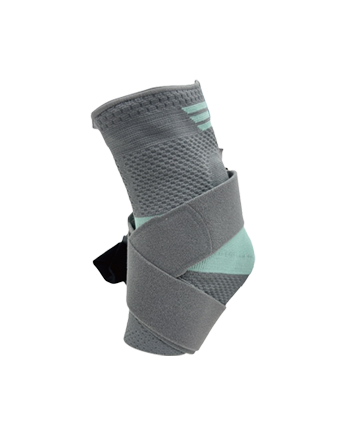
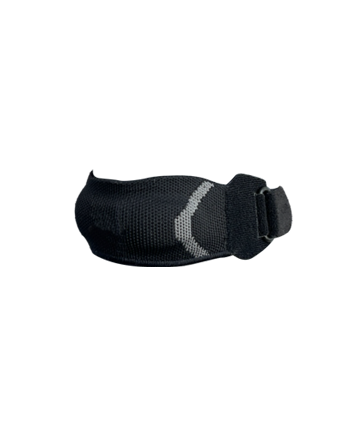
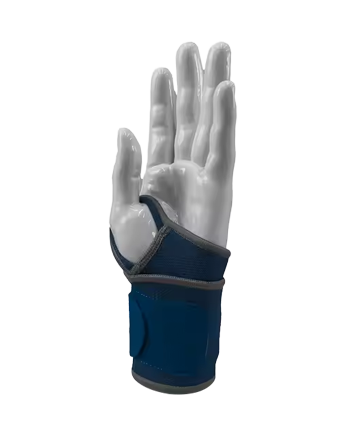
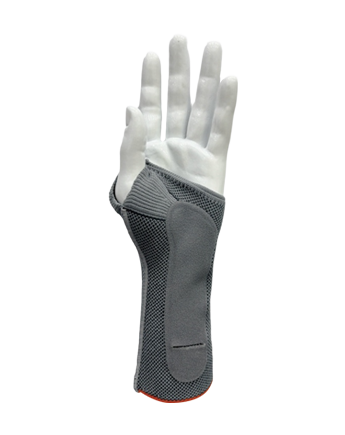
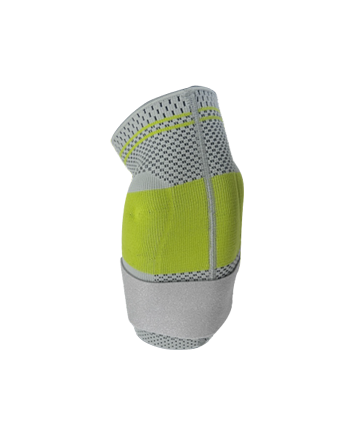
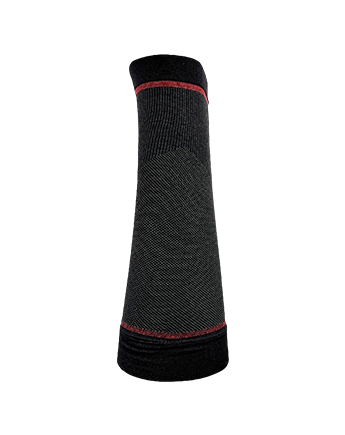
As clinicians and patients seek practical ways to protect injured hands while preserving function, attention is turning to support devices that balance immobilization with mobility. The steriger Palm Brace is one such support that professionals say may offer a useful middle ground: stabilizing vulnerable structures while allowing controlled motion that supports rehabilitation and daily tasks. Across clinics and community settings, choices between rigid splints and flexible supports are increasingly framed by goals of comfort, safety and long-term function.
Injuries to the wrist, palm or fingers interrupt daily routines and can slow recovery if not managed carefully. A support that controls harmful motion but permits helpful movement can reduce pain, prevent reinjury and keep people independent during healing.
Therapists point out that a support’s design — how it secures the palm, positions the wrist, and stabilizes fingers — affects both how it protects and how it is tolerated in daily life.
Clinically, splints and braces serve related but distinct roles. Splints are traditionally used to immobilize acutely injured structures; braces tend to provide graded support that allows functional movement.
Choosing the right path depends on injury type, stage of recovery and daily needs. Practitioners recommend a personalized plan rather than a one-size-fits-all approach.
A support’s construction affects how well it performs. Elements such as padding location, strap arrangement and wrist alignment all influence protection and comfort.
These design choices shape whether a device helps restore reliable function or becomes a hindrance to rehabilitation.
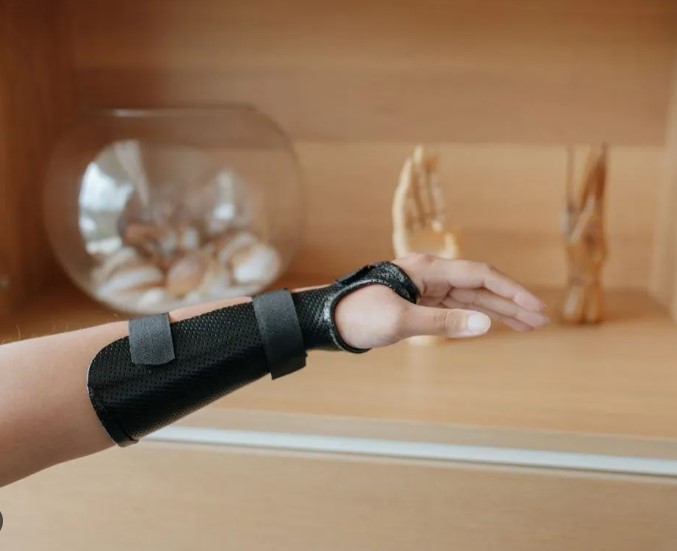
Supports for the palm and wrist are used across many conditions: acute sprains, post-operative care, chronic tendinopathy, and repetitive strain issues. Each scenario calls for balance between protection and activity.
Therapists often emphasize staged progression: start with protection, then reintroduce function under guidance.
A device that is difficult to don or that causes pressure points will be used less, undermining its therapeutic purpose. Good fit combines secure control with breathable, low-irritation materials and thoughtful closures.
Simple, practical features often determine whether patients keep a support in regular use.
| Clinical goal | Typical support emphasis | Clinician tip |
|---|---|---|
| Acute protection | Immobilization and rigid support | Monitor tissue swelling and adjust fit as necessary |
| Rehabilitation | Controlled motion and targeted padding | Gradually increase permitted motion under supervision |
| Chronic comfort | Compression and task-specific support | Use during activities that trigger symptoms |
| Functional tasks | Low-bulk support with preserved dexterity | Test device during typical daily tasks before prolonged use |
This table provides a concise reference for matching support style to treatment objectives.
Using a hand support safely requires follow-up. Ill-fitting devices can reduce circulation, cause pressure injuries or mask pain that signals a complication.
Clinicians stress that professional assessment ensures a device complements the overall rehabilitation plan.
Real-world success depends on whether patients accept and use the support as prescribed. That acceptance is shaped by perceived comfort, interference with routine and confidence in the device’s protective effect.
When patients feel supported both physically and informationally, outcomes improve and recovery becomes more predictable.
Manufacturers and clinicians are paying more attention to how design details translate to clinical value. Innovations that preserve tactile feedback, reduce bulk, and simplify fitting support better integration into daily life. Meanwhile, clinicians are refining protocols that transition patients from rest to activity with supports that match each stage.As choices evolve, the practical objective remains constant: protect healing tissue while preserving useful function. For practitioners and patients considering a palm support option, hands-on trials and clinician-guided plans help ensure the device serves its intended role.For an accessible overview and practical guidance on selection, visit steriger.
Steriger is a national high-tech enterprise specializing in the R&D and production of high-quality sports supports, medical braces, and sports compression socks.
Copyright © Zhejiang Steriger Sports Medicine Technology Co., Ltd.
The information provided on this website is intended for use only in countries and jurisdictions outside of the People's Republic of China.

Approval No: 浙金药监械生产备20200039号

 English
 Español
 Deutsch
 عربى
عربى Français