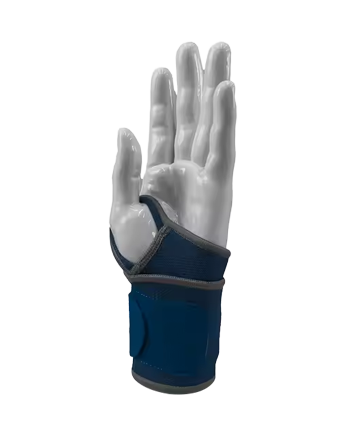
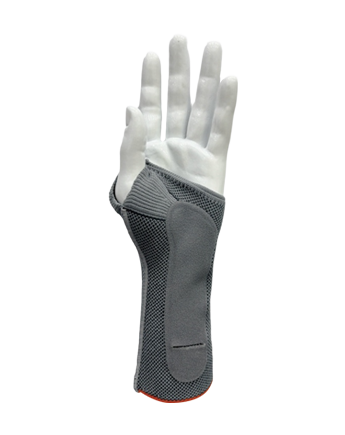
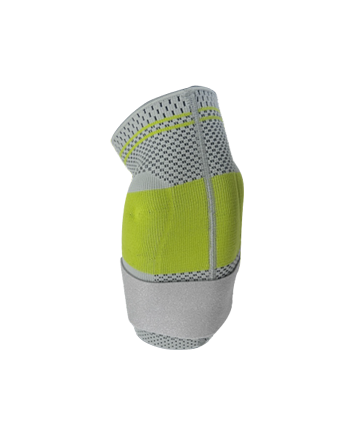
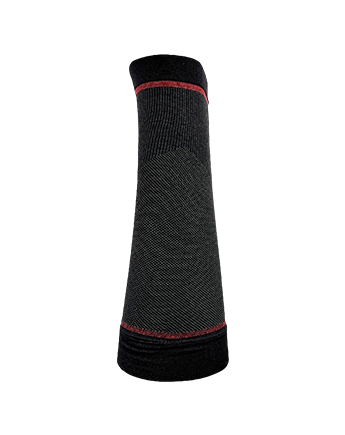
As rehabilitation practices evolve, clinicians and patients are revisiting when and how supportive devices should be used. Braces can protect healing tissues, reduce pain and enable activity—but they can also encourage dependence if used without a clear plan. Recent conversations among therapists, trainers and device makers point to a more measured approach: choose the right device for the therapeutic goal, use it at the right stage, and pair it with a progressive rehabilitation plan. Manufacturing trends from modern brace factories are also influencing device quality and how clinicians integrate supports into care pathways.
A brace is a tool with several legitimate purposes: to stabilize, to limit harmful motion, to provide compression and warmth, and to shield a joint during higher-demand tasks. Determining whether a brace will help or hinder depends on the intended outcome.
Healthy recovery plans treat bracing as a temporary or situational aid rather than a permanent fix. Guidance from an athletic trainer, physical therapist or sports medicine clinician helps match device type and wearing schedule to recovery goals.
Clinicians recommend asking three focused questions before deciding on a brace: Why use it? When should it be worn? What are the alternatives?
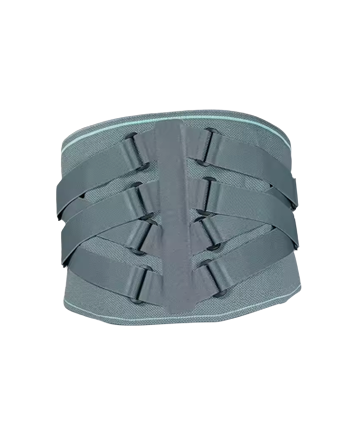
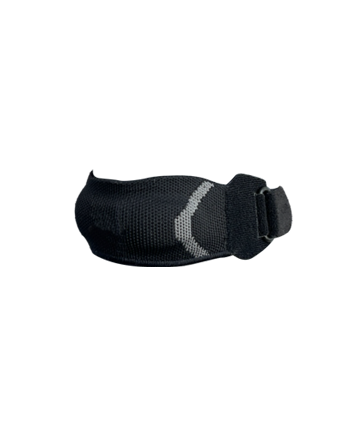
Understand the primary purpose—immobilize, protect, relieve pain, or assist function. Different devices provide different levels of control, from simple sleeves to hinged supports. Professional input clarifies which level of restraint is appropriate for the specific injury or condition.
Timing matters. Bracing immediately after a sprain can stabilize the joint while swelling settles. As healing progresses, the device can be used selectively—during high-risk activities—while encouraging unbraced, low-demand movement to rebuild natural strength.
Bracing should be one element of a plan that includes balance work, progressive strengthening and movement retraining. For many knee complaints, for example, addressing hip and ankle mechanics is essential; bracing alone may not correct the underlying drivers.
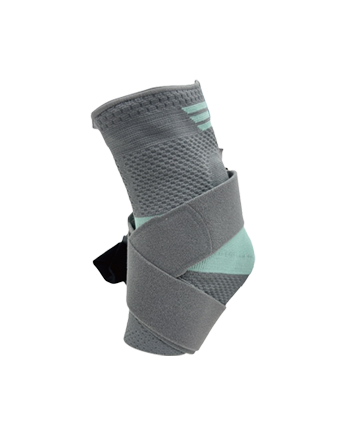
Ankle supports are widely used because ankle twists are common. Appropriate use follows a staged model.
Therapists suggest a deliberate weaning plan so the ankle’s muscles regain full function without abrupt exposure to risky loads.
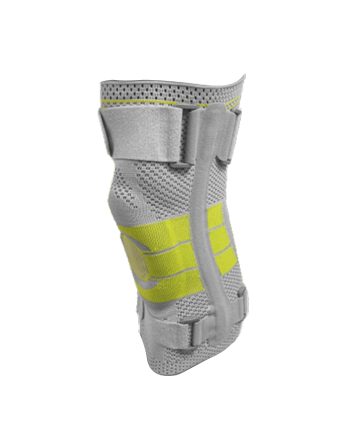
Knee pain arises from varied causes; bracing helps some situations but is rarely the sole solution.
When a brace is prescribed, clinicians should explain how it fits within a broader rehab plan and set milestones for reduced reliance.
Manufacturers in the brace sector are responding to clinical needs by improving fit, adjustability and material choices. Innovations in modular padding, breathable fabrics and quick-adjust closures make it easier for patients to wear devices correctly and for clinicians to fine-tune levels of support.
The term Brace Factory has come to mean not only a place of production but a model where clinical feedback loops inform iterative design—helping devices better meet rehabilitation needs.
| Clinical goal | Typical brace style | Practical guidance |
|---|---|---|
| Immediate protection after sprain | Supportive stabilizer or short splint | Use for short-term stability; reassess frequently |
| Activity-specific support | Moderate-support brace for sport or heavy work | Use selectively during high-risk tasks |
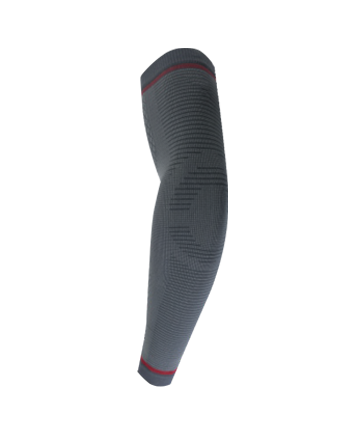
| Symptom relief for mild joint irritation | Compression sleeve or soft brace | Wear for comfort; combine with targeted exercise |
| Post-operative or severe instability | Prescribed rigid or hinged device | Follow clinician plan; schedule follow-up |
Clear patient education—about why to wear a brace, when to remove it and how to progress—supports adherence and better outcomes.
Real-world success hinges on whether a device fits into daily life. Devices that are easy to don, comfortable during routine tasks and simple to care for are more likely to be used as intended. Short supervised trials during therapy sessions help patients and clinicians assess functional impact before long-term adoption.
These practices support empowerment rather than prolonged dependence on external support.
Braces are valuable when used with clear goals, professional guidance and a plan to restore natural function. Modern production methods in the Brace Factory sector are helping devices become more adaptable to staged rehabilitation needs, but the clinical strategy remains central: protect when necessary, progress toward active recovery, and use bracing selectively during higher-risk activities. For more information, visit steriger.
Steriger is a national high-tech enterprise specializing in the R&D and production of high-quality sports supports, medical braces, and sports compression socks.
Copyright © Zhejiang Steriger Sports Medicine Technology Co., Ltd.
The information provided on this website is intended for use only in countries and jurisdictions outside of the People's Republic of China.

Approval No: 浙金药监械生产备20200039号

 English
 Español
 Deutsch
 عربى
عربى Français