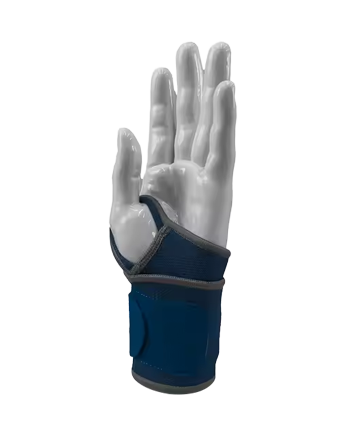
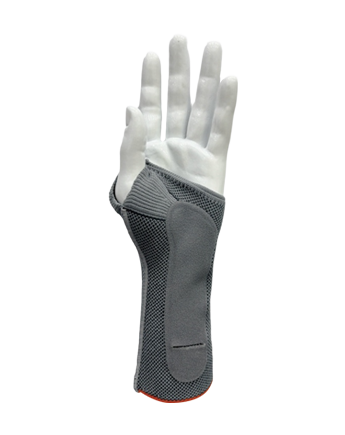
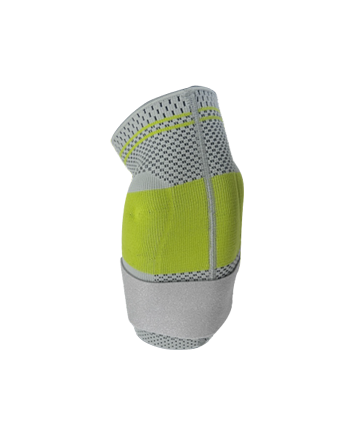
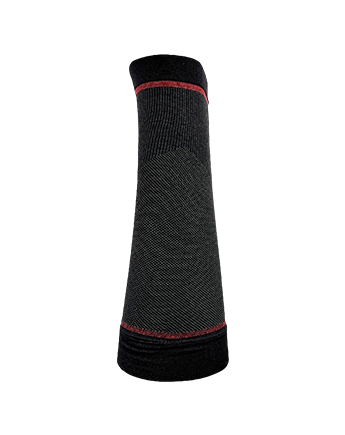
As clinicians and patients rethink rehabilitation strategies, supportive devices are being evaluated not just for protection but for how well they enable practical recovery. The steriger Palm Brace has entered conversations in clinics and therapy groups as a device that aims to stabilize vulnerable hand structures while allowing controlled motion that supports everyday function. Experts say that the right support—used as part of a staged plan—can reduce pain, lower reinjury risk and speed a return to normal activity.
Injuries and chronic conditions affecting the wrist and palm disrupt ordinary tasks such as typing, lifting, dressing and preparing food. A support that controls harmful motion while preserving useful movement helps people keep independence and reduces the need for caregiving during recovery.
Therapists note that the way a support positions the wrist and stabilizes the palm plays a large role in whether the device becomes a useful part of a therapy plan or an inconvenient accessory that patients avoid.
Palm-focused supports are designed to stabilize the base of the hand and align the wrist while allowing varying degrees of finger mobility. This differs from rigid splints that aim for near-total immobilization.
Clinicians typically integrate a Palm Brace into a plan that includes rest, progressive loading, and exercises to restore coordination and strength.
Healthcare providers often cite several practical benefits when a support is used correctly and temporarily.
Experts stress that bracing should be combined with muscle- and control-focused therapy to avoid long-term dependence.
A brace that is difficult to don or that creates pressure points will be used less, undermining its intent. Practical design and patient education are central to successful adoption.
Clinicians recommend an initial fitting session and follow-up checks to fine-tune strap tension and padding placement as swelling changes.
The Palm Brace works good as one element in a staged rehabilitation strategy rather than as an end in itself.
Initial immobilization: When necessary, brief immobilization protects fresh repairs or severe sprains.
A clear wearing schedule, regular reassessment, and targeted exercises help patients regain function and avoid overuse.
Using a brace without oversight can hide problems or create complications. Regular monitoring prevents issues.
If symptoms worsen or new signs appear, prompt reassessment is essential to keep recovery on track.
| Treatment goal | Typical support emphasis | Practical recommendation |
|---|---|---|
| Acute protection | Rigid immobilization to limit harmful motion | Use short-term; reassess as swelling and pain decline |
| Early functional return | Palm brace with controlled motion | Wear during activity; practice unbraced exercises under supervision |
| Chronic symptom control | Compression and mild stabilization | Combine with strengthening and ergonomic changes |
| Return to work/sport | Task-specific support and trial use | Test during typical activities before full return |
Real-world success depends on whether a brace fits into the routines of daily life. When patients understand the purpose and get a comfortable fit, use is more consistent and outcomes better.
Good education reduces fear and increases the likelihood that the brace will be a bridge back to activity rather than a long-term substitute for strengthening.
Manufacturers and clinicians are focusing on features that translate to better adherence and clinical value: breathable materials, modular padding, quick-adjust closures and options for graded restriction. These developments help supports integrate into staged rehabilitation plans that prioritise function.
As support design evolves, the clinical emphasis remains constant: protect healing tissue while restoring meaningful function.
When used thoughtfully and as part of a broader rehabilitation plan, a Palm Brace can help reduce pain, protect healing tissues and support a staged return to the activities people value. For clinicians compiling patient resources or for patients seeking more information about a specific support option, visit steriger.
Steriger is a national high-tech enterprise specializing in the R&D and production of high-quality sports supports, medical braces, and sports compression socks.
Copyright © Zhejiang Steriger Sports Medicine Technology Co., Ltd.
The information provided on this website is intended for use only in countries and jurisdictions outside of the People's Republic of China.

Approval No: 浙金药监械生产备20200039号

 English
 Español
 Deutsch
 عربى
عربى Français