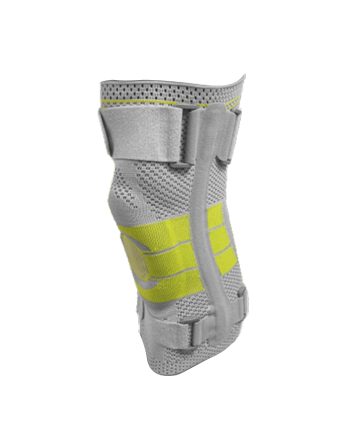
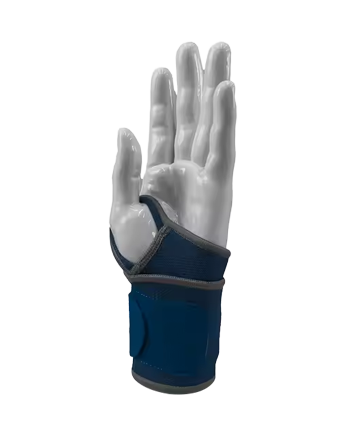
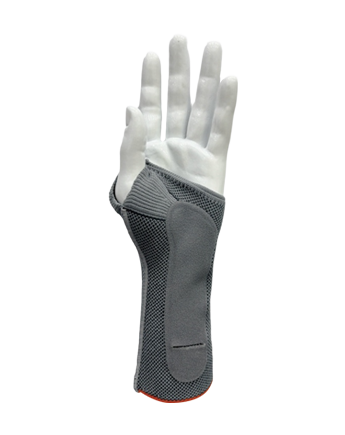
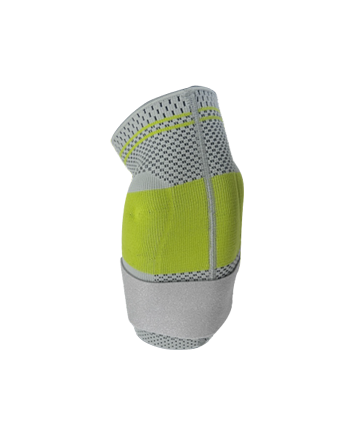
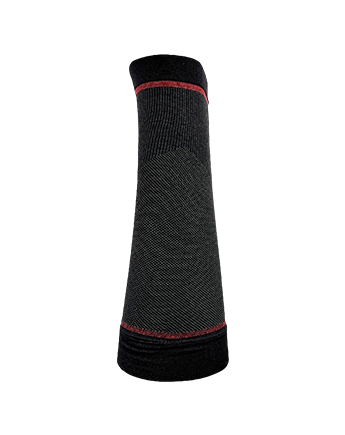
Your knees power every stride, squat, jump, and quick pivot you make, yet they're one of the body's injury-prone joints. When pain, wobbliness, or an actual injury hits, even everyday tasks can become shaky and uncomfortable. That's when many people turn to external support for reassurance. Step into any drugstore or sporting goods shop, and you'll likely find shelves full of options labeled as knee stabilizers or knee braces—both looking quite similar and claiming to offer protection and relief. The problem is that they're designed for different needs, and picking the wrong type could slow your healing or leave you less comfortable than before. So how do you decide which one is actually for your situation?
A Quick Look at Knee Anatomy Knowing the basic parts of the knee makes it easier to understand why support might be needed:
- Bones: The joint connects the femur (thigh bone), tibia (shin bone), and patella (kneecap).
- Ligaments: Key ones like the ACL, PCL, MCL, and LCL hold everything together and control side-to-side and front-to-back stability.
- Cartilage: The two menisci act as shock absorbers and help spread your weight evenly.
- Muscles and Tendons: These provide the power for movement and add extra steadiness.
If any of these structures gets damaged, strained, or worn down, the knee can become painful, unsteady, or more likely to get hurt again. That's often when a knee stabilizer or brace comes into play to lend temporary help from the outside.
What Is a Knee Stabilizer?
A knee stabilizer is a supportive device that offers mild to moderate reinforcement to the knee area. It's typically constructed from soft, stretchy materials such as neoprene or blended fabrics, sometimes with light reinforcements like flexible stays or straps.
- Key Features
- Stretchy pull-on sleeves or adjustable wraps
- Delivers gentle compression and basic stability
- Boosts joint awareness (proprioception) for better control
- Generally slim, breathable, and suitable for extended wear
- Common Uses
- Minor twists, strains, or overuse issues
- Beginning stages of arthritis or general joint wear
- Slight wobbliness during everyday or gentle activities
- Helping with soreness and puffiness after activity
- How It Works
- Knee stabilizers work mainly through even pressure on the surrounding tissues, which helps to:
- Cut down on inflammation and fluid buildup
- Promote better circulation
- Heighten your sense of knee positioning and motion
- Offer soft backing to nearby ligaments and tendons
- Advantages
- Inexpensive and widely available
- Simple to put on and carry around
- Low-profile enough to wear under pants or shorts
- Effective for everyday aches or preventive use
- Limitations
- Doesn't deliver strong, rigid reinforcement
- Not suited for major injuries, surgery recovery, or demanding sports
What Is a Knee Brace?
A knee brace offers firmer, more rigid protection compared to a stabilizer. They range from semi-flexible sleeves with added stays to robust models featuring metal hinges or solid frames.
- Types of Knee Braces
- Preventive Braces: Worn by athletes to help ward off potential injuries
- Functional Braces: Built to stabilize a knee that's already damaged
- Rehabilitative Braces: Limit motion during recovery from surgery or severe trauma
- Unloader/Offloader Braces: Shift weight away from arthritic areas to ease pain
- Key Features
- Equipped with stiff stays, hinges, straps, or sturdy frames
- Provides precise, dependable reinforcement
- Frequently tailored or adjustable for personal fit
- Common Uses
- Significant ligament damage (like ACL or MCL tears)
- Healing after surgery
- Later-stage arthritis
- Ongoing looseness or weakness
- Intense or contact sports
- How It Works
- Knee braces manage the joint's range of motion, ease stress on injured ligaments, and block risky twists or shifts. Their hinges and hard components serve as backup stabilizers when the knee's natural ones are compromised.
- Advantages
- Robust backing for major issues
- Guards against additional harm
- Adaptable to specific injuries or body types
- Commonly prescribed by doctors or therapists
- Limitations
- Thicker and weightier than basic stabilizers
- Higher cost
- Can limit flexibility and natural movement
- Often needs expert sizing or adjustments
Key Differences: Knee Stabilizer vs Knee Brace
|
Feature
|
Knee Stabilizer
|
Knee Brace
|
|
Support Level
|
Light to moderate
|
Moderate to strong
|
|
Structure
|
Flexible, elastic
|
Rigid or semi-rigid
|
|
good For
|
Mild discomfort
|
Serious injuries / instability
|
|
Comfort
|
Lightweight, minimal bulk
|
Heavier, may be restrictive
|
|
Wear During Activity
|
Everyday use
|
Sports, post-injury, rehabilitation
|
|
Cost
|
Generally lower
|
Often higher
|
|
Professional Involvement
|
good
|
Often recommended or fitted
|
Which One Is Right for You?
Your choice between a stabilizer and a brace comes down to a few key considerations:
A. How Serious Is Your Knee Issue?
- Light soreness or good wobbliness: A stabilizer is usually plenty.
- Past injuries, noticeable looseness, or post-surgery healing: A brace typically provides the stronger support needed.
B. What Kind of Activities Are You Doing?
- Everyday walking, light exercise, or desk work: Stabilizers offer comfortable, subtle help.
- High-intensity sports like running, basketball, soccer, or heavy weightlifting: A sports-specific brace delivers far better stability and protection.
C. Short-Term Relief or Ongoing Support?
- Temporary swelling, post-workout aches, or brief discomfort: Stabilizers are simple and work well for quick recovery.
- Chronic instability or long-term joint problems: Braces tend to give more consistent, dependable reinforcement over time.
D. Get Professional Input
- If your knee keeps hurting, swells up, locks in place, or buckles unexpectedly, see a doctor or physical therapist before picking any support device. They can check for real damage and guide you toward the right option—whether it's a stabilizer, brace, exercises, or something else entirely.
Real-Life Scenarios
- Scenario 1: The Casual Weekend Walker If you notice mild knee soreness or slight swelling after a long hike or extended walk, a knee stabilizer could be ideal. It applies light compression to help control puffiness and provides a reassuring sense of stability, all without limiting your natural stride.
- Scenario 2: Middle-Aged Person Managing Osteoarthritis During the initial phases of knee arthritis, a simple stabilizer can make daily tasks more comfortable by easing minor aches. As symptoms progress and the knee feels increasingly unsteady or painful with weight-bearing, an unloader brace becomes a better option—it shifts pressure off the affected joint compartment for noticeable pain reduction.
- Scenario 3: Athlete Coming Back from an ACL Tear Following ACL reconstruction, surgeons and therapists frequently prescribe a hinged knee brace. It blocks risky twisting or hyperextension movements while permitting safe bending, offering essential protection through physical therapy sessions and the step-by-step return to competitive play.
- Scenario 4: Office Worker with Intermittent Knee Strain For someone who spends hours seated at a desk but experiences knee twinges when getting up, navigating stairs, or standing in meetings, wearing a lightweight stabilizer during those more active moments can soothe discomfort without adding noticeable bulk or restricting desk work.
How to Choose and Fit Properly
Getting the Right Size and Fit
- Measure Accurately Proper measurements are essential for good performance. Most brands require you to measure circumference at these spots:
- Around the upper calf (usually about 4-6 inches below the kneecap)
- Directly across the center of the kneecap
- Around the lower thigh (typically 4-6 inches above the kneecap)
- Always refer to the specific product's sizing chart and instructions—locations can vary slightly by brand.
Why Fit Is Important
- Stabilizers need to be close-fitting for effective compression, but never so tight that they restrict blood flow or cause tingling.
- Braces must sit properly aligned with your knee's hinge point and remain secure when you bend, walk, or twist—no sliding up or down.
Test It Before Buying Whenever possible, try on several options in person, particularly for braces, to check comfort and function during movement. Many stores have return policies, and a physical therapist or orthopedic fitter can provide expert guidance to confirm you've got the correct size and style for your needs.
Potential Risks and Comfort Tips
- Risks
- Wearing support that's too tight can restrict blood flow.
- Over-reliance on a brace may weaken muscles if used long-term without strengthening exercises.
- Comfort Tips
- Wear breathable, moisture-wicking materials underneath.
- Use supports during activity—not only at rest, unless prescribed.
- Combine with strengthening exercises for good results.
Rehabilitation and Strengthening: The Missing Piece
- Support devices are temporary aids, not permanent fixes. To truly improve knee stability:
- Strengthen quadriceps and hamstrings
- Improve balance and core strength
- Address gait or movement patterns that stress the knee
- A personalized exercise program from a physical therapist can dramatically reduce knee pain and improve function over time.
Choosing between a knee stabilizer and a knee brace depends on your individual needs rather than a single standard solution. Key factors include the severity of your knee condition, your daily activity level, long-term mobility goals, and any advice from a medical professional. Steriger designs knee support products to meet these varying requirements, from everyday comfort to advanced joint protection.
A knee stabilizer is ideal for mild discomfort, offering light compression and flexible support for walking and other low-impact activities. In contrast, a knee brace provides stronger stability and motion control, making it suitable for those with previous injuries, high-impact sports involvement, or post-surgery recovery. Whichever option you choose, combining the right Steriger support with strengthening exercises and professional guidance can help protect your knees and maintain long-term mobility.



 English
 Español
 Deutsch
 عربى
عربى Français