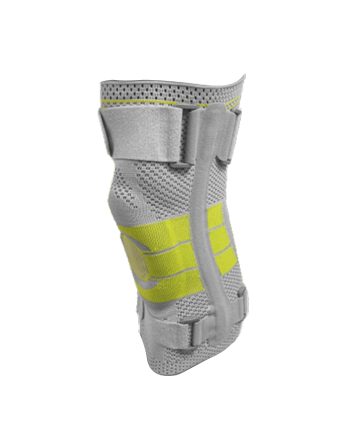
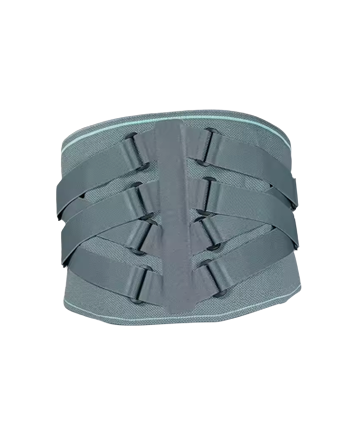
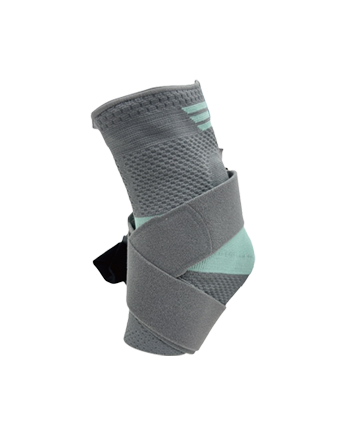
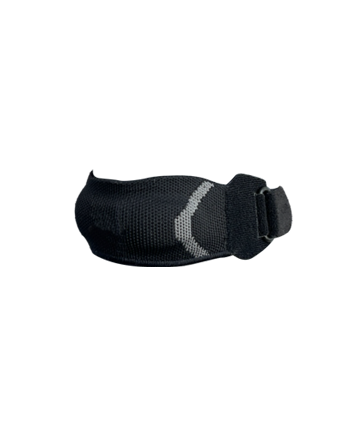
As more people seek ways to manage joint discomfort and stay active, knee supports have become a common element of self-care and rehabilitation. Yet clinicians and therapists caution that a Knee Brace is not always the ideal path to recovery.
Knee supports can reduce pain during activity and give a sense of security after a minor sprain. Still, experts say that external support should complement, not replace, a broader recovery plan. When underlying weaknesses, structural damage, or pain referred from other regions are present, a brace may offer temporary relief without addressing root causes. Understanding when a brace is helpful — and when it may delay meaningful improvement — helps patients and caregivers make informed choices.
Several common scenarios limit the value of a Knee Brace. Recognizing these can prevent overreliance and prompt timely evaluation.
Weak surrounding muscles
Major structural injury
Movement restriction and performance needs
Pain originating elsewhere
Patients who rely on a brace but find symptoms persist should seek reassessment. Key warning signs include ongoing swelling after activity, repeated episodes of instability, new pain around the brace site, or a decline in strength. Skin irritation and poor fit are additional cues that the device requires review.
Alternatives and complements to bracing
Health professionals recommend combining conservative measures with active rehabilitation to restore function and reduce future reliance on external support.
Strength and conditioning
Physical therapy and movement retraining
Diagnostic evaluation
Activity modification and pacing
When procedural care is appropriate
| Situation | What a Knee Brace can offer | When to consider other care |
|---|---|---|
| Mild instability after minor sprain | Temporary support during activity and confidence for movement | If instability persists beyond a short recovery window |
| Muscle weakness around the knee | Passive support | Start progressive strengthening to rebuild active control |
| Severe ligament tear | External compression or slight stability | Seek diagnostic evaluation and specialist input |
| Pain referred from hip or back | Local comfort only | Investigate and treat the originating area |
| Need for full range in sport | Protection but may limit motion | Use targeted rehab, sport-specific conditioning |
When a brace is part of a care plan, its role should be clearly defined and reviewed regularly.
Clinicians report that short-term bracing can help people resume daily tasks, but the good long-term outcomes follow a program that combines load management, targeted exercise, and sometimes procedural care. Patients who understand the limits of a brace are more likely to engage in rehabilitation steps that reduce future dependence.
Physical therapists often emphasize education: teaching patients how to progress exercises, how to interpret symptoms that merit rest or evaluation, and how to adapt activities while preserving function. This empowers patients to use a brace strategically rather than habitually.
Immediate clinical attention is advised for high-impact injuries with swelling, inability to bear weight, sudden loss of motion, or a sensation that the joint is giving way. These signs can indicate conditions that warrant rapid imaging or specialist assessment.
A Knee Brace can be a useful tool when applied thoughtfully, but it rarely suffices as the single approach to recovery. Understanding its limitations and pairing it with diagnosis, strengthening, and movement training gives patients a clearer path back to reliable function. For those seeking more practical resources and guidance on integrated care strategies, further information is available at steriger.
Steriger is a national high-tech enterprise specializing in the R&D and production of high-quality sports supports, medical braces, and sports compression socks.
Copyright © Zhejiang Steriger Sports Medicine Technology Co., Ltd.
The information provided on this website is intended for use only in countries and jurisdictions outside of the People's Republic of China.

Approval No: 浙金药监械生产备20200039号

 English
 Español
 Deutsch
 عربى
عربى Français