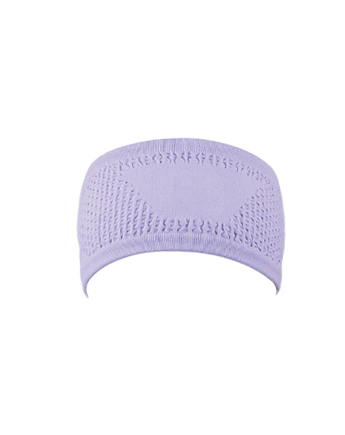
A gym bag often ends up holding more small items than expected — extra socks, a water bottle, maybe a spare pair of laces. A Lightweight Running Headband tends to show up too, even though nobody really remembers packing it. It gets thrown on before a morning run, grabbed again before a tennis match, then somehow ends up stuffed in a backpack pocket for a weekend hike.
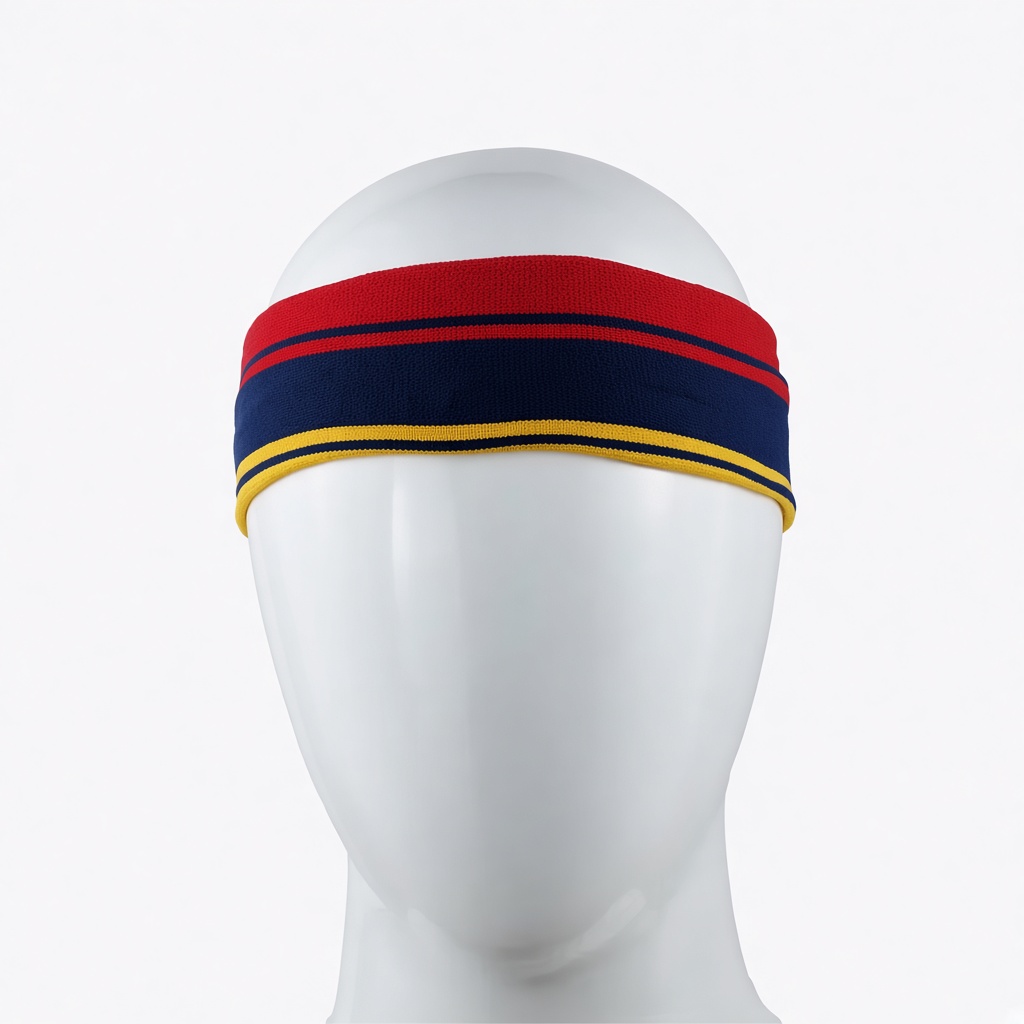
A headband sits across the forehead and does one job — keeping sweat and loose hair out of the eyes while the body moves. That simplicity is probably why it shows up in so many different settings without anyone treating it like specialized gear.
Some people put one on before every workout, almost without thinking. Others only reach for one during a specific sport, or when the weather makes sweating unavoidable halfway through a session. Neither habit is wrong. They're just different relationships with the same object.
Movement-heavy activities work up a sweat quickly, and a headband becomes part of the routine gear for quite a few of them:
Each of these involves a different kind of motion. Tennis calls for sudden direction changes on a hot court. Yoga involves stillness and slow stretching where a band shouldn't slip during an inversion. Basketball mixes sprinting with jumping under gym lights. The same basic accessory ends up useful across all of them because the underlying problem — sweat near the eyes, hair falling forward — shows up regardless of the sport.
Outdoor settings often stretch a workout across a longer stretch of time, which changes how gear gets used compared to a quick indoor session.
Activities where a headband commonly comes along:
During longer outdoor stretches, comfort matters more simply because there's more time for small irritations to build up. A band that feels comfortable during a short trail section may become less comfortable during extended outdoor use, which is why longer activities can require a different fit and feel compared with a brief indoor workout.
Not everyone follows the same weekly pattern. Someone might jog before work several mornings a week, while someone else spends entire weekends hiking and barely exercises during weekdays. A third person might split time between a gym floor and outdoor sports fields.
Because these patterns vary, a few questions tend to guide how people pick a headband:
These questions give more direction than picking a color that looks appealing on a shelf.
Where a workout happens changes what people notice about their gear, even when the accessory itself stays the same.
| Setting | What Tends to Stand Out |
|---|---|
| Neighborhood running routes | Comfort during a repeated daily habit |
| Parks and open trails | Handling movement across changing terrain |
| Fitness centers | Staying comfortable through back-to-back sessions |
| Hiking paths | Holding up over several continuous hours |
| Sports fields | Managing quick, unpredictable movement |
| Community recreation areas | Working across a mix of casual activities |
A headband doesn't change shape depending on where it's worn, but the way it feels certainly does. Someone jogging around the block notices different things than someone scrambling up a rocky trail with a pack on their back.
For plenty of people, the answer is yes. Someone who runs on weekdays might grab the same headband before a weekend hike without thinking twice. Another person might wear one during cycling, then again at an evening fitness class, treating it as just another piece of gear that travels with them.
Whether one headband realistically covers several activities depends on personal habits more than the product itself. Someone training lightly across a few sports might be fine with a single option sitting in a drawer. Someone training heavily in one specific sport might prefer something suited more narrowly to that activity's particular demands.
A handful of practical points tend to organize the decision better than browsing by color alone.
Knowing the main activity in mind — running, hiking, gym sessions — gives a clearer starting point than shopping without a specific use in mind.
Comfort during actual motion matters more than how something looks while standing still in front of a mirror.
Some materials feel better against skin during long sessions. Others suit quick, sweaty workouts better. Personal skin sensitivity plays a role too, since some fabrics irritate certain skin types after prolonged contact.
Washing it regularly and letting it dry fully between uses keeps it from developing odor or losing its shape.
Plenty of people like accessories that pair naturally with shirts, shorts, or shoes already in their rotation.
Two runners covering the same route on the same morning might still walk away with completely different headbands. One might prefer something plain and barely noticeable. Another might reach for bright colors or a distinct pattern without a second thought.
Hair length changes things too. Someone with a shaved head faces a different fit problem than someone managing a thick ponytail during a bouncy run. Add in personal comfort with tightness, and it becomes clear why product choice rarely comes down to one single factor.
Daily routines look different from person to person. Some train consistently throughout the week. Others exercise occasionally, mixing in a hike here, a fitness class there, maybe a casual bike ride on a Sunday afternoon.
A headband fits into this kind of scattered, mixed routine fairly easily since it doesn't demand loyalty to one specific sport. It shows up during a run on Tuesday, sits unused for a few days, then gets pulled out again for a Saturday hike — moving between activities without much friction.
Recognizing where and how a headband actually gets used in daily life makes comparing products easier than judging by looks alone. Activity type, the setting where exercise usually happens, personal comfort habits, and how gear fits into an existing routine all shape which option ends up feeling right for a particular person. Rather than looking for one design meant to handle every possible situation, it works better to think through the specific sports and outdoor habits already part of a weekly schedule — then let a Lightweight Running Headband earn its place in the rotation based on how it actually gets used, not just how it looks sitting in a drawer.
Steriger is a national high-tech enterprise specializing in the R&D and production of high-quality sports supports, medical braces, and sports compression socks.
Copyright © Zhejiang Steriger Sports Medicine Technology Co., Ltd.
The information provided on this website is intended for use only in countries and jurisdictions outside of the People's Republic of China.

Approval No: 浙金药监械生产备20200039号

 English
 Español
 Deutsch
 عربى
عربى Français