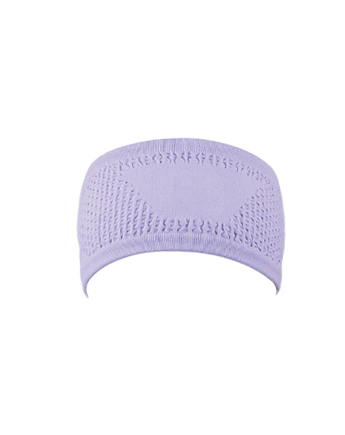
A drop of sweat sliding into your eye mid-workout can ruin an entire set. Losing your grip on a barbell because your palms are damp from wiping your forehead isn't just annoying, it's genuinely dangerous. Anyone who has stopped a run to blink stinging sweat out of their eyes knows how quickly a good session turns into a frustrating one. A Headband Sweat Absorbing design exists specifically to solve this problem, catching moisture before it becomes a distraction rather than dealing with the mess after it's already happened. Sweat itself isn't really the enemy here. The body needs to sweat to stay cool, and fighting that process usually backfires. The actual issue is where that sweat ends up once it starts running. Left alone, it drips into eyes, drops onto hands, and soaks into clothing at the worst possible moment. A headband built to absorb sweat effectively works by intercepting that moisture at the source, right along the hairline and forehead, before gravity pulls it anywhere else.
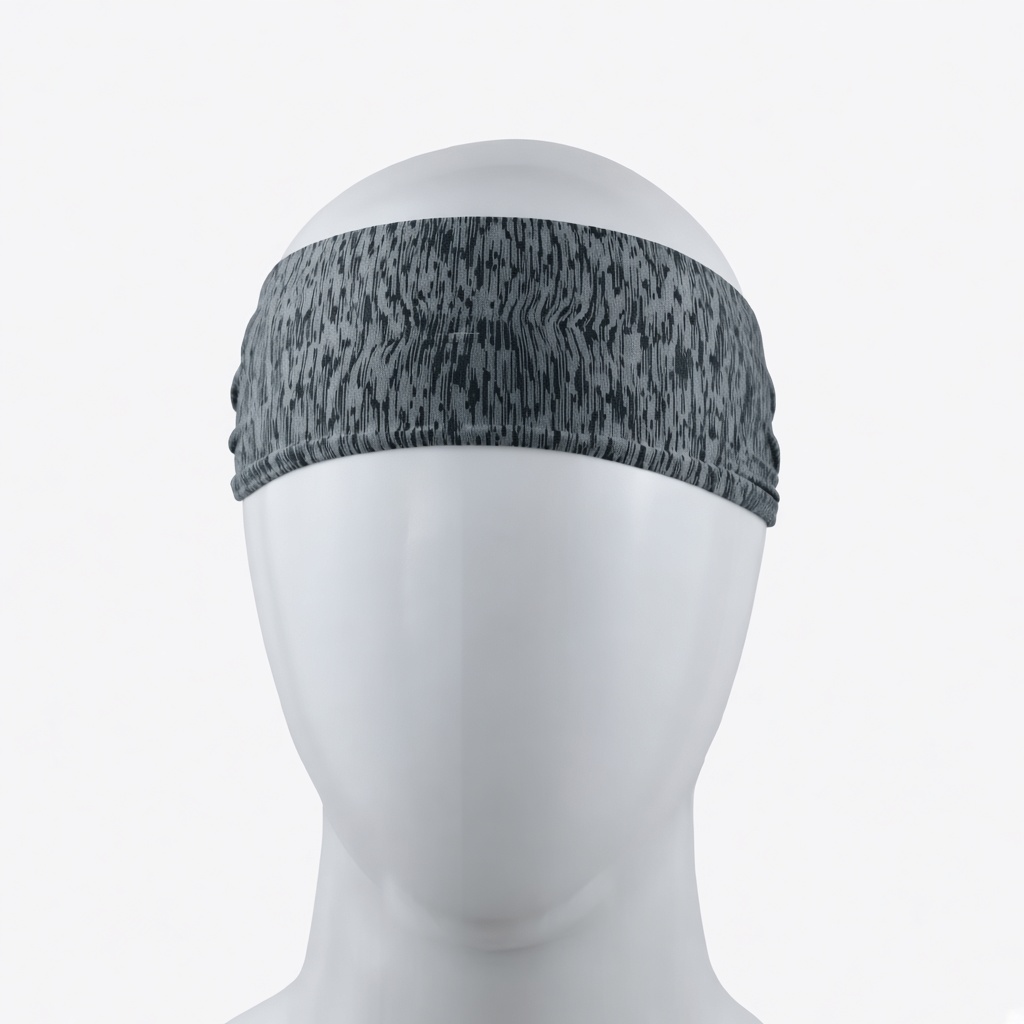
Sweat production ramps up fast once the body starts working hard. Within minutes of moderate activity, moisture begins forming along the forehead and temples, areas with a high concentration of sweat glands. Without something to catch it, that moisture pools briefly before rolling down toward the eyes or dripping onto whatever is below.
The distraction isn't just physical discomfort. Stinging eyes force a pause, even a brief one, breaking concentration during a lift, a serve, or a sprint. Wiping sweat away with a hand or forearm interrupts form and rhythm. For anyone training seriously, these small interruptions add up over the course of a session, chipping away at focus one drip at a time.
A few common situations show how disruptive this really is:
None of these moments seem significant on their own. Stacked together over an hour, they represent a lot of lost focus that could otherwise go toward actual performance.
The basic mechanism is simpler than many people expect. A headband rests across the forehead, where sweat begins to appear before it can spread to other areas. The fabric draws moisture away from skin through capillary action, pulling it into the material rather than letting it sit on the surface.
Once moisture is absorbed into the fabric, it spreads across a wider surface area, which allows it to evaporate more efficiently than a single concentrated drop would on skin alone. This spreading effect is part of why a properly designed headband keeps working through a long session instead of becoming saturated and useless after a few minutes.
The process happens continuously as long as the headband stays in contact with skin:
When any step in that sequence breaks down, usually because the fabric is already saturated or positioned poorly, sweat starts slipping past the headband and back onto the skin.
Not all materials handle moisture the same way. Some fibers pull water in quickly but hold onto it, staying damp and heavy for the rest of a workout. Others do not absorb moisture effectively, causing sweat to collect on the surface and roll away, which reduces the reason for using a headband during activity.
A fabric suited for sweat absorption generally needs to balance a few qualities at once. It has to pull moisture away from skin fast enough to prevent dripping, spread that moisture across a wide enough area to encourage evaporation, and still feel comfortable enough to wear for an extended period without irritating skin.
| Fabric Quality | Effect on Sweat Management |
|---|---|
| Fast moisture uptake | Reduces dripping during intense activity |
| Wide surface spread | Speeds up evaporation between sweat bursts |
| Breathable texture | Prevents overheating along the forehead |
| Gentle contact with skin | Reduces irritation during long wear |
A headband made from a fabric lacking any of these traits tends to feel damp and heavy well before a session ends, which pushes people right back to wiping their forehead with a hand or towel anyway.
Fit matters just as much as fabric, maybe even more in some cases. A headband that sits loosely will shift during movement, creating gaps where sweat slips through untouched. One that fits snugly against the forehead maintains steady contact with skin, which is what actually allows the absorption process to work consistently.
Movement is the real test here. Running, jumping, and quick directional changes all put pressure on a headband to stay in place without sliding up or bunching to one side. A design that stays put through this kind of motion keeps doing its job throughout an entire session rather than only during the calmer moments.
Several fit-related factors can influence comfort and performance across different activities:
An incorrect fit can leave users facing the same sweat issue a headband is meant to address, along with the added annoyance of a band that shifts during movement.
It's easy to picture headbands only in a gym setting, but the same sweat-related distractions show up in plenty of everyday situations. Outdoor work during hot weather, long hours in a kitchen near heat sources, or even a stressful day that brings on unexpected sweating can all benefit from the same basic idea.
Anyone spending extended time in warm conditions, whether that's physical labor, cooking, or just being outside during summer, deals with the same forehead sweat that athletes do. A headband designed to absorb that moisture works just as well in these settings, keeping sweat from becoming a constant, low-level annoyance throughout the day.
This wider usefulness is part of why headbands show up across such a range of settings, not just on running trails or in weight rooms. The underlying problem, sweat interfering with focus and comfort, doesn't really change based on the activity causing it.
Not every headband suits every situation, and thinking through actual usage patterns helps narrow down what actually works well. Someone doing short, intense workouts has different needs than someone spending hours outdoors in the heat.
A few practical questions help guide this decision:
Someone training for short, high-intensity sessions might prioritize a headband that manages a sudden burst of sweat quickly. Someone working outdoors for hours might care more about a design that stays comfortable and effective over a much longer stretch of time. Matching the headband to the actual activity, rather than picking based on appearance alone, tends to produce a much better experience overall.
Even a well-designed headband may lose its function without proper care. Allowing sweat to remain in the fabric without cleaning can cause residue to build up, affecting moisture absorption over time and creating unwanted odors on workout gear.
Regular washing keeps fibers open and ready to absorb moisture rather than clogged with dried salt and skin oils from previous sessions. Air drying, rather than leaving a damp headband balled up in a gym bag, prevents the fabric from developing a musty smell that's hard to get rid of once it sets in.
A few habits make a noticeable difference over time:
Skipping these small habits tends to shorten how long a headband stays genuinely useful, even if the material itself was well made to begin with.
Sweat is just part of physical effort, whether that effort comes from a workout, a long shift outdoors, or a stressful afternoon that brings on an unexpected sweat. The distraction it causes, though, doesn't have to be something people just accept and push through. A headband built specifically to absorb sweat handles that moisture at the source, catching it before it has a chance to interfere with focus, grip, or comfort. Paying attention to fabric, fit, and a few basic care habits turns this small accessory into something that quietly does its job session after session, letting attention stay where it actually belongs instead of drifting toward wiping a dripping forehead every few minutes.
Steriger is a national high-tech enterprise specializing in the R&D and production of high-quality sports supports, medical braces, and sports compression socks.
Copyright © Zhejiang Steriger Sports Medicine Technology Co., Ltd.
The information provided on this website is intended for use only in countries and jurisdictions outside of the People's Republic of China.

Approval No: 浙金药监械生产备20200039号

 English
 Español
 Deutsch
 عربى
عربى Français