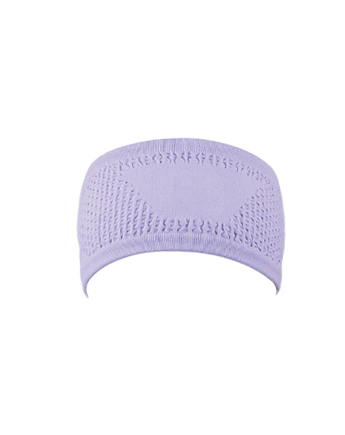
Think about a Tuesday morning jog when sweat starts dripping into your eyes around the third mile, or a Saturday spin class where loose strands keep sticking to your forehead. A Lightweight Running Headband handles those small annoyances. It sits on the forehead, holds hair back, and gives sweat somewhere to go besides your eyebrows.
People reach for one during:
Some people wear one nearly every day they exercise. Others keep it tucked in a bag for the days when weather or hair length makes it necessary.
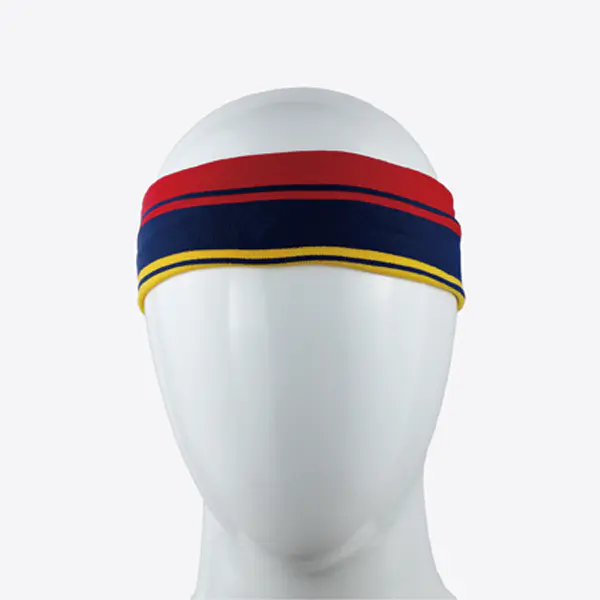
Picking one isn't really about scanning a shelf and grabbing whatever color matches your shoes. A few honest questions about your own routine make the decision easier.
Ask what you actually do during a typical week. Someone training for a half marathon on paved roads has different needs than someone bouldering at an indoor climbing gym. Ask where you exercise too — a stuffy studio with no airflow feels different from a windy trail in early spring. And ask how often you'll actually use it. A person who exercises daily cares more about durability and washing frequency than someone who wears one occasionally for a Saturday hike.
Fabric choice shapes almost everything about the wearing experience. A thin, moisture-wicking blend behaves differently on skin than a thicker cotton band. Some fabrics dry quickly between gym sets; others stay damp longer after a sweaty circuit workout.
Fabric also connects to daily habits. If you throw your workout clothes in the wash after every session, a fabric that tolerates frequent laundering without losing its stretch matters more than one that looks nice on day one but stiffens after a few cycles. If you layer a band under a winter running hat, thickness and breathability both come into play, since trapped heat under a hat plus a heavy band can get uncomfortable fast.
A band that stays put during a slow walk might slide during interval sprints. Movement patterns matter here. Jogging creates a steady bounce, HIIT classes involve sudden direction changes, and yoga inversions test whether the band stays anchored upside down.
Fit also depends on personal traits that have nothing to do with the product itself:
Trying a few styles across different workouts, rather than judging fit from one gentle walk around the block, tends to reveal more about long-term comfort.
Exercise happens in a lot of different settings, and each one quietly shapes expectations. A treadmill session in a climate-controlled gym rarely tests weather resistance, but a trail run in light drizzle does. A mountain hike that stretches across several hours asks more of a headband than a quick lunchtime jog around the block. Walking a dog through the neighborhood every evening is a low-intensity routine where daily comfort outweighs technical performance.
None of these settings require a completely different product category, but they do shift priorities. Someone who mostly trains indoors might care less about wind resistance and more about how the fabric feels against skin during a long stretch on a stationary bike.
Plenty of people build outfits around color coordination — a band that matches a running jacket or gym leggings can make getting dressed for a 6 a.m. workout feel less tedious. Pattern, shape, and width all play into personal style, and some designs sit better with bangs or a shaved head than others.
Appearance doesn't need to compete with practicality. A design someone actually enjoys wearing is more likely to get used consistently, which matters more than owning a technically capable band that sits in a drawer because it looks plain.
Like any piece of workout gear, a headband collects sweat, oil, and sometimes sunscreen residue over repeated use. Tossing it in with regular laundry after a few wears keeps it from developing odor. Air-drying rather than high-heat drying tends to protect elastic fibers longer, since heat can gradually wear down stretch over time.
Storing it somewhere dry between uses — rather than leaving it balled up in a damp gym bag — also helps it hold its shape. These habits sound minor individually, but skipping them repeatedly is usually why a band loses its stretch faster than expected.
A distance runner training through humid summer mornings has different priorities than a retiree who takes a daily neighborhood walk. A rock climber sweating through a bouldering session cares about grip and sweat control in ways that differ from someone doing a slow Pilates class.
There isn't one product built to satisfy every one of these situations at once. Comparing intended activity, personal fit preferences, and how often you'll wash it usually points toward a more workable choice than picking based on packaging alone.
Choosing between how something looks and how it performs isn't really necessary. A band that matches a favorite workout outfit and also stays in place during a hard interval session covers both bases. Comfort and style aren't opposing goals — they just require paying attention to fabric, fit, and how a design sits on your particular head and hair. Comparing a few options side by side, based on where and how you actually train, tends to make the decision clearer than scrolling through search results looking for one universally right answer. Whether the goal is daily jogging, weekend hiking, or gym training, choosing a Lightweight Running Headband that fits your actual habits — rather than just your sense of style — tends to be the choice you'll still be reaching for months later.
Steriger is a national high-tech enterprise specializing in the R&D and production of high-quality sports supports, medical braces, and sports compression socks.
Copyright © Zhejiang Steriger Sports Medicine Technology Co., Ltd.
The information provided on this website is intended for use only in countries and jurisdictions outside of the People's Republic of China.

Approval No: 浙金药监械生产备20200039号

 English
 Español
 Deutsch
 عربى
عربى Français