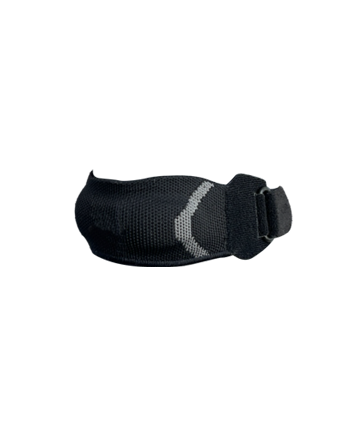
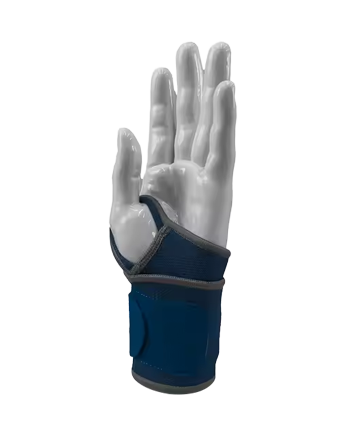
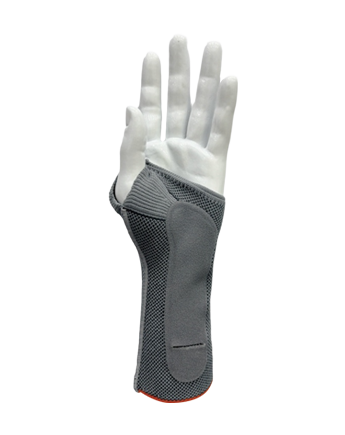
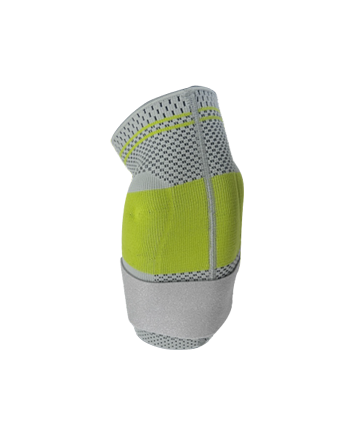
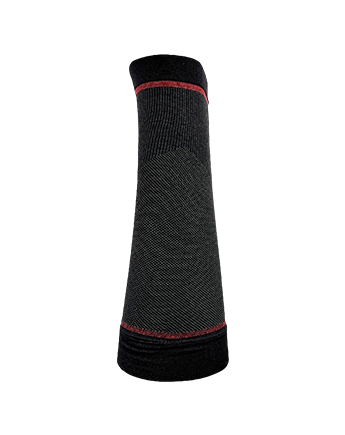
Sports and fitness routines continue to change as people move between gyms, outdoor activities, recreational games, and home workouts, much like how a single wardrobe now needs to cover a dozen different weather conditions instead of one. Elbow support products are changing along with these habits, with users paying attention not only to coverage but also to comfort, movement, clothing compatibility, and everyday convenience.
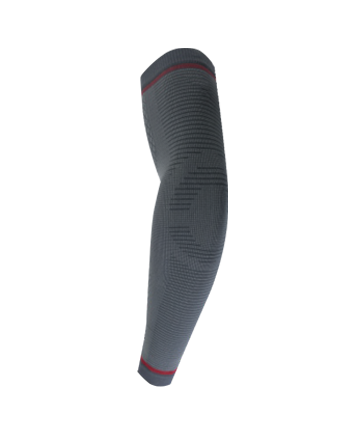
A Neoprene Elbow Support Sleeve fits into this changing environment because its flexible structure can follow the shape of the arm during movement without much fuss. At the same time, Neoprene Elbow Pads provide another option for users who want genuinely more coverage around the elbow during activities where contact with surfaces may occur unexpectedly.
These products are no longer considered only for one type of sports user anymore. Their applications can extend across fitness training, recreational sports, outdoor exercise, and daily active routines that shift week to week. This broader use is also influencing what consumers genuinely look for when choosing elbow support.
Fitness activities are becoming genuinely more varied across the board. A person may combine strength exercises with cycling, stretching, recreational sports, or outdoor training, instead of following one fixed activity every single week.
This creates genuinely different expectations for sports accessories overall. Users often want products that can fit naturally into several parts of their routine, without creating unnecessary discomfort along the way.
| Fitness Activity | Elbow Support Consideration |
|---|---|
| Strength training | Comfortable movement during repeated exercises |
| Home workouts | Easy wearing and removal |
| Cycling | Flexible arm movement |
| Outdoor fitness | Coverage and secure positioning |
| Recreational sports | Balance between movement and protection |
| General exercise | Comfortable repeated use |
The change in activity patterns also means elbow support needs to get considered from a genuinely wider perspective than before. A product designed around one movement may not feel genuinely the same once used in another setting entirely.
Consumers are therefore paying genuinely more attention to how an elbow support fits into their complete routine, rather than judging it only by its appearance on a shelf.
Material choice plays a genuinely important role in how a sports support feels once worn. Neoprene is commonly used because it can stretch around the body while maintaining a genuinely close fit throughout movement.
This flexibility can prove useful for elbow products because the joint moves frequently during exercise sessions. The material can follow bending and extending movements, without requiring a rigid structure locked around the arm.
Neoprene can also create a soft layer between the skin and the surrounding environment nearby. This may make the product genuinely more comfortable whenever worn with sports clothing or during activities that involve repeated arm movement throughout a session.
The material itself, however, doesn't determine the complete user experience on its own. Sleeve shape, seams, edges, padding, and overall construction also influence how the support genuinely behaves once in use.
This is exactly why current product development often considers material and structure together, rather than treating them as separate decisions made in isolation.
A sleeve-style support generally follows the shape of the arm genuinely more closely than a separate protective pad would. This makes it suitable for users who spend a lot of time bending and extending the elbow throughout a workout.
Gym training is one clear example worth mentioning. Exercises may involve genuinely repeated arm movement, and users may prefer a support that stays close to the body, without creating unnecessary bulk that gets in the way.
A sleeve can also fit genuinely easily into different clothing routines established over time. It may get worn directly against the skin or beneath a sports garment, depending on the product design and personal preference of that user.
For regular fitness users, convenience can prove just as important as the support itself in daily practice. A product that's genuinely easy to put on, adjust, remove, clean, and store can fit genuinely more naturally into a daily routine without becoming a chore.
Neoprene Elbow Pads serve a genuinely different role from simple sleeves in the lineup. Their structure often places genuinely more attention on coverage around the elbow, which can prove useful whenever contact with a surface forms part of an activity.
Skateboarding, cycling, outdoor training, and some recreational sports can involve falls or movements close to the ground during play. In these situations, users may pay genuinely more attention to the area directly around the elbow itself.
The position of the pad genuinely matters here. It needs to remain aligned with the elbow during normal movement, so the intended area stays genuinely covered throughout the activity.
Some users may also choose padded designs for activities that don't regularly involve falls at all. Personal comfort, activity habits, and preferred coverage can all genuinely influence the choice that person makes.
The wider trend isn't about replacing sleeves with pads entirely. It's about giving users genuinely different options for genuinely different movement patterns they encounter.
Comfort has become a genuinely practical part of sports product selection these days. Active users may wear support products for repeated training sessions, so small discomforts can become genuinely more noticeable over time as sessions add up.
The material surface is only one part of this experience worth considering. Edge construction, sleeve shape, fit, movement, and interaction with clothing can all affect how the product genuinely feels once in use.
A sleeve that remains genuinely stable during movement may feel genuinely more convenient than one that needs frequent adjustment throughout a session. At the same time, a pad that provides useful coverage needs to remain genuinely comfortable enough for the activity it's meant for.
Users are also becoming more aware of how support feels throughout an entire session, rather than focusing only on how it feels when they put it on. This encourages manufacturers to consider comfort across the product design process from beginning to end.
Elbow support is no longer limited to traditional sports training environments alone. People can use it during home workouts, casual outdoor activities, recreational games, and other active routines scattered throughout their week.
This genuinely wider range of use creates genuinely different product expectations across the board.
| Usage Setting | Common User Focus |
|---|---|
| Gym | Movement and comfortable fit |
| Home exercise | Easy handling |
| Outdoor training | Coverage and stability |
| Recreational games | Flexibility |
| Cycling | Arm movement and clothing compatibility |
| Mixed fitness routines | Versatile everyday use |
A user may also move between several settings during the same week without much thought. The same person could train indoors on one day and cycle outdoors on another entirely.
This makes flexible product design increasingly relevant to today's market. Users may prefer support that can fit different activities, without becoming genuinely difficult to wear across the board.
Fit has become a genuinely central part of sports support design in recent years. Users generally want the sleeve to stay in its intended position, while allowing the elbow to move genuinely naturally throughout activity.
A sleeve that slides down may become genuinely distracting during a workout. A sleeve that feels genuinely too tight may also become uncomfortable during longer activities that run late.
Manufacturers can address these concerns through the relationship between material stretch, sleeve shape, edge design, and overall construction working together as one system.
Users can also perform a genuinely simple movement check after putting on the sleeve. Bending and straightening the arm, reaching forward, and performing familiar movements can help reveal whether the support genuinely stays in place throughout.
The focus is genuinely shifting from static fitting toward movement-based comfort as the standard.
Convenience genuinely matters whenever a product gets used regularly over weeks and months. Active users often want to put on their support, without spending much time adjusting it beforehand.
A sleeve-style design can offer a straightforward wearing process for many users. The user can pull it over the forearm, position it around the elbow, and smooth the material before starting the planned activity.
Padded designs may require additional positioning because the protective section needs to sit genuinely around the elbow precisely. This doesn't make them unsuitable for regular use, but it can change the user's preparation routine somewhat.
Clear wearing instructions can genuinely make a difference here. Users benefit whenever product information explains exactly how the sleeve or pad should sit and how to check its position before activity begins.
Sports clothing has also become genuinely more varied across the market. Some users prefer close-fitting training garments, while others choose loose layers for outdoor activities depending on the weather.
Elbow support needs to work with these genuinely different clothing choices made by each user. A bulky pad may take up genuinely more space beneath a fitted garment, while a sleeve may prove genuinely easier to combine with different layers stacked on top.
The surface of the support can also affect how clothing moves over it during a session. Folds or uneven sections may become genuinely noticeable whenever another garment gets worn on top of it.
Consumers therefore often consider clothing compatibility alongside the support itself as one package. This proves especially relevant for users who wear elbow support during long training sessions that stretch on.
Versatility can prove genuinely useful for active users who don't follow one fixed exercise routine week after week. A product that can move between different activities may reduce the need to maintain separate accessories for every single sport.
A flexible sleeve can be suitable for general training, recreational games, and some outdoor activities all at once. A padded design may prove genuinely more appropriate whenever surface contact forms part of the activity in question.
Versatility, however, shouldn't mean every product is suitable for every situation without exception. Users still need to match the support with the movement and conditions involved in their specific activity.
Clear product positioning can help prevent confusion at the point of purchase. A supplier can explain whether a sleeve is intended for general fitness, a particular sports activity, or a specific type of elbow coverage.
People planning to Buy Elbow Support are often looking beyond the product's basic appearance in a listing photo. They may want to understand exactly how the support fits, how it should get worn, what activities it suits, and how it should get maintained over time.
Purchase decisions can involve several practical questions worth asking. What activity will the support get used for regularly? Is flexible movement genuinely important for that sport? Does the elbow regularly contact a surface during play?
Will the product get worn beneath sports clothing during a session? How often will it genuinely see use throughout a week? Is a sleeve or padded structure genuinely more suitable for that activity? How should it get cleaned and stored between uses? Does the supplier provide genuinely clear sizing guidance to work from?
These questions help connect the purchase with actual use in practice. They also give buyers a genuinely clearer way to compare different products side by side.
For suppliers, detailed and accurate product information can make the purchasing process genuinely easier for the buyer involved. Clear descriptions of material, structure, intended activity, and care can help users understand exactly what they're buying.
Manufacturers are paying genuinely close attention to how sports support products get used in real routines rather than in a lab. Product development can involve examining movement, clothing interaction, wearing comfort, and ease of care together.
For a sleeve, this may involve studying exactly how the material follows the arm during repeated bending motions. For a padded product, attention may also get given to how the protective section stays aligned during movement throughout play.
The relationship between different parts of the product is also genuinely important to the outcome. Seams, edges, material sections, and padding need to work together, rather than getting designed independently of one another.
This approach can help manufacturers create products that feel genuinely more natural during everyday sports use across different settings.
Repeated use genuinely changes the way consumers judge a product over time. A support may feel suitable during a short trial in a store but become genuinely less comfortable once worn regularly across many sessions.
Neoprene can provide a flexible and close-fitting structure, but users may also notice warmth, surface feel, or pressure around the edges during longer sessions that run on. These factors can genuinely influence whether the support becomes part of a regular routine going forward.
A product that's genuinely easy to wear and comfortable during normal movement may prove genuinely easier for users to keep using week after week. Manufacturers can therefore consider extended wear when evaluating product design from the start.
The goal is not simply to create a sleeve that fits comfortably while standing still in a fitting room. It is to create one that remains practical during the activity it is designed to support.
As sports accessories become part of regular routines, care and maintenance also become genuinely more relevant to the buying decision. Elbow support can come into contact with sweat, dirt, clothing, and outdoor surfaces throughout its working life.
Users should follow the care instructions supplied with the product they own. Cleaning methods can vary according to the material and construction involved, so unsuitable treatment may genuinely affect the condition of the support over time.
Drying is also genuinely important to the process. A support should get allowed to dry properly before getting stored away for next use.
Regular inspection can help users notice changes in the product as they occur. Loose edges, damaged seams, stretched sections, or changes in fit may indicate the support genuinely needs attention before its next outing.
Many active users move between several types of exercise, rather than following one narrow routine week after week. A person may combine strength training, cycling, stretching, and recreational sports within the same schedule without much planning.
This creates demand for products that can genuinely adapt to different situations as they arise. A sleeve that works comfortably during one activity may also prove useful during another, if the movement and coverage requirements stay genuinely similar between the two.
Manufacturers, at the same time, need to avoid making vague claims about universal use across every scenario. A product should still have a genuinely clearly defined purpose, so consumers can judge whether it matches their needs accurately.
Product descriptions can explain suitable activity types and wearing conditions in genuinely simple language that's easy to follow. This gives buyers a genuinely practical basis for deciding whether the support fits their routine as it stands.
Consumers can evaluate new designs by paying genuinely close attention to how the product behaves during familiar movements they already know well. The way it sits on the arm, interacts with clothing, and responds to bending can reveal genuinely more than appearance alone ever could.
A short fitting process can include several simple checks worth going through. Put the support on according to the supplied instructions, then position the elbow area correctly around the arm. Smooth the material around the arm, then bend and straighten the elbow to assess the feel.
Reaching and moving in ways that match the intended activity comes next in the process. Checking whether the support remains genuinely stable throughout rounds out the review before committing to a purchase.
These observations can help users decide whether a product feels genuinely suitable for their routine going forward. They also reflect a genuinely wider change in sports accessory selection happening across the market. Consumers are increasingly interested in how a product behaves during real use, rather than simply how it looks whenever displayed on a shelf.
Clear communication is becoming a genuinely important part of sports support purchasing today. Buyers need to understand exactly what a product is designed to do before deciding whether it genuinely suits their activity.
Suppliers can explain the difference between Neoprene Elbow Pads and a Neoprene Elbow Support Sleeve through simple descriptions of coverage, movement, wearing style, and intended use laid out clearly.
Product information can also explain exactly how to put on the support, how to care for it properly, and what type of clothing it can genuinely get used with day to day.
This type of information gives consumers a genuinely clearer picture of everyday use before they commit to buying. It also helps suppliers communicate product differences, without relying on exaggerated advertising language that oversells the item.
As fitness routines continue to become genuinely more varied across the population, elbow support products are being shaped by practical concerns such as movement, comfort, flexible use, and genuinely easier purchasing decisions for the everyday buyer.
Steriger is a national high-tech enterprise specializing in the R&D and production of high-quality sports supports, medical braces, and sports compression socks.
Copyright © Zhejiang Steriger Sports Medicine Technology Co., Ltd.
The information provided on this website is intended for use only in countries and jurisdictions outside of the People's Republic of China.

Approval No: 浙金药监械生产备20200039号

 English
 Español
 Deutsch
 عربى
عربى Français