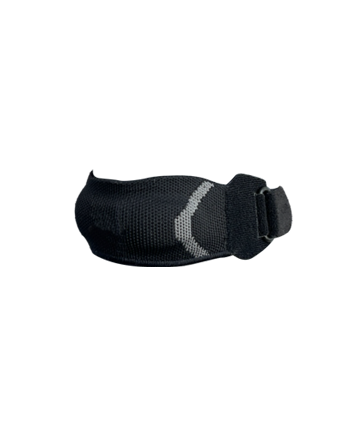
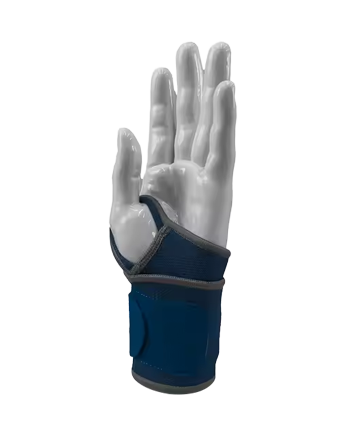
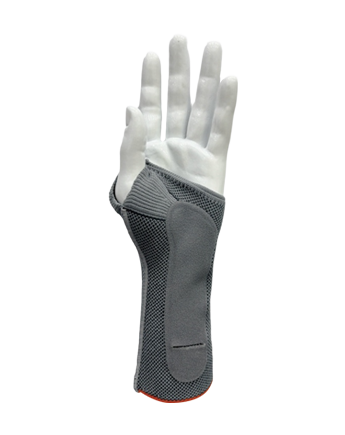
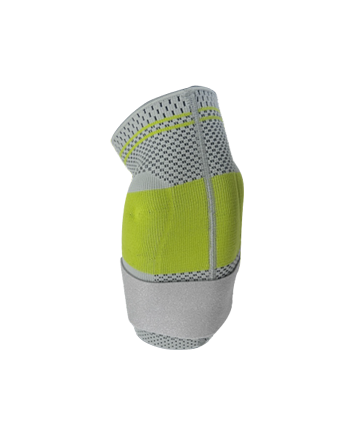
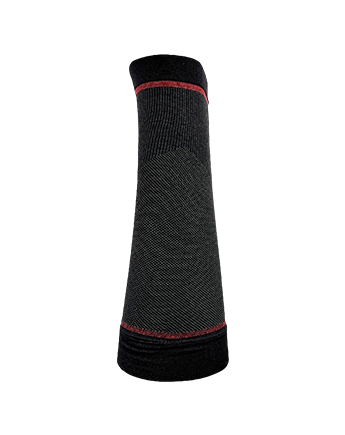
Active lifestyles can put genuinely different demands on the elbows, much like how a hiking boot and a running shoe both cover the foot but serve completely different purposes. A person who spends time cycling or skating may think about contact with the ground, while someone who trains in a gym may care genuinely more about comfortable movement during repeated exercises throughout a session.
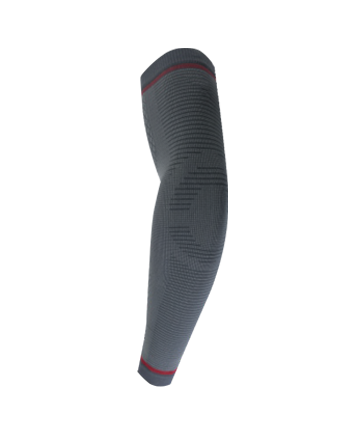
This is exactly where the difference between Neoprene Elbow Pads and a Neoprene Elbow Support Sleeve becomes genuinely useful to understand. Both can cover the elbow area, but their structures and intended functions may differ considerably once examined closely.
An elbow pad usually places genuinely more attention on cushioning and coverage around the joint itself. A support sleeve generally follows the shape of the arm genuinely more closely and focuses on a flexible fit instead. Understanding these differences can make product selection genuinely easier for active users shopping around.
The main difference stays how each product gets constructed around the elbow. A padded design usually includes a protective section that sits over or around the elbow, while a sleeve forms a genuinely continuous layer around the arm instead.
This difference can change how the product genuinely feels during movement. A pad may be genuinely more noticeable whenever the arm bends, while a sleeve can feel genuinely more like an additional layer of clothing worn underneath.
| Product Type | Main Design Focus | Typical User Consideration |
|---|---|---|
| Neoprene Elbow Pads | Elbow coverage and cushioning | Contact with surfaces |
| Support sleeve | Flexible coverage and fit | Repeated arm movement |
| Padded sleeve | Combination of coverage and flexibility | Mixed activities |
| Simple elbow sleeve | Light coverage | General active use |
Neither structure automatically suits every user out there. The right choice depends on what the elbow genuinely encounters during the activity and how freely the arm needs to move throughout it.
Users should also consider how long the support will get worn during a typical session. A design that feels comfortable for short sessions may feel genuinely different during extended activity that runs longer.
Neoprene is commonly used in sports support because it can stretch and follow the shape of the body genuinely closely. This allows a sleeve or pad structure to remain relatively close to the elbow while the arm moves through its range.
The material can also create a soft layer between the elbow and surrounding clothing or surfaces nearby. Its flexible nature makes it genuinely suitable for products that need to combine coverage with movement together.
The material itself, however, doesn't determine the entire wearing experience on its own. The shape, thickness, seams, edges, and construction of the product also affect how it genuinely feels once worn.
A neoprene pad may use the material around a separate cushioning section, while a sleeve may rely genuinely more heavily on the material's ability to follow the arm instead. This creates two genuinely different approaches to elbow support worth distinguishing.
Some activities create a genuinely greater chance of the elbow touching the ground or another surface during play. Skateboarding, cycling, outdoor training, and certain recreational sports can involve falls or low positions that bring the elbow down.
In these situations, a padded elbow design may provide a genuinely more suitable form of coverage for that risk. The cushioning section can create a genuine physical layer between the elbow and the surrounding surface below.
The pad should remain genuinely positioned around the intended area during movement. If it shifts significantly, the covered area may not remain where the user genuinely expects it to be during a fall.
A sleeve with limited padding may still prove useful for general coverage, but it serves a genuinely different purpose altogether. Users should avoid assuming every elbow sleeve provides the same type of protection across the board.
Activities such as weight training, volleyball, basketball, and general fitness often involve genuinely repeated bending and extending of the elbow throughout a session.
A sleeve can prove convenient in these situations because its continuous structure follows the arm naturally. There's genuinely less separate material around the elbow to manage during ordinary movement.
A close-fitting design can also work with sports clothing genuinely more easily. This may matter to users who train in fitted shirts or layered clothing regularly.
A padded sleeve can provide another option for people who want some cushioning, without moving to a larger protective structure entirely. The choice depends heavily on how much coverage the activity genuinely requires.
Protection and movement need to work together as one system. A pad that covers the elbow but makes bending genuinely difficult may become distracting during activity throughout a session.
The shape of the protective section is therefore genuinely important to the overall design. It should allow the elbow to move naturally, while remaining positioned around the intended area throughout play.
This can prove particularly relevant in activities that involve repeated arm extension. Basketball players, cyclists, and fitness users may notice changes in movement whenever a pad is genuinely too bulky for the task.
A well-matched design should fit the activity, rather than forcing the user to change normal movement patterns established over time. Users can test this through familiar actions before committing to genuinely longer sessions.
A support sleeve can become part of an everyday sports routine because it's generally genuinely simple to put on and remove without hassle. Its close-fitting structure can also work across genuinely different activities without much adjustment.
One user, for example, may wear a sleeve during gym training, while another may use it for outdoor exercise or casual sports instead. The same basic sleeve structure can serve genuinely different routines whenever the design matches the user's needs closely.
The sleeve can also prove easier to combine with clothing worn on top. It usually takes up genuinely less space than a larger protective pad, which can matter whenever users wear fitted sportswear regularly.
A sleeve, however, shouldn't get chosen simply because it looks lighter on the shelf. The user still needs to consider coverage, stability, comfort, and the demands of the activity together.
Coverage and flexibility can pull the design in genuinely different directions depending on priorities. More material around the elbow may provide additional coverage, while a simpler structure may make movement feel genuinely more natural during play.
The choice depends heavily on what the user genuinely expects the product to do for them.
| User Need | Design Direction |
|---|---|
| Ground contact | Padded elbow coverage |
| Repeated movement | Flexible sleeve |
| Mixed activities | Padded sleeve |
| Clothing compatibility | Close-fitting sleeve |
| General coverage | Simple support sleeve |
| Outdoor activity | Coverage matched to the activity |
These categories aren't strict rules carved in stone. Some users may genuinely need both movement and additional coverage at the same time.
A padded sleeve can sometimes bridge the gap between the two approaches nicely. It gives users another option whenever a simple sleeve feels genuinely too light but a larger pad feels unnecessary for the task.
A sleeve works properly only once it's positioned correctly on the arm. Putting it on quickly, without checking the elbow area, can leave folds or cause the support section to sit away from the intended position entirely.
Users can slide the sleeve gradually over the forearm and move it toward the elbow carefully. Once it reaches the correct area, the material should get smoothed, so it sits genuinely evenly around the arm underneath.
The sleeve shouldn't be twisted during this process. Any padded or supportive section should be aligned with the elbow before activity genuinely begins for the day.
A simple movement check can then help confirm the fit before heading out. Bend and straighten the arm, reach forward, and perform a few familiar movements to see whether the sleeve genuinely stays in place throughout.
Elbow pads may require genuinely more attention during fitting because the protective section needs to remain over the intended area precisely. The pad should sit naturally around the elbow, without creating unnecessary movement during play.
Users can adjust the surrounding sleeve or fastening areas before starting the activity. The arm should then get moved through normal positions to check whether the pad remains genuinely aligned throughout.
A loose pad may shift during movement unexpectedly. An overly tight fastening system can also become genuinely uncomfortable during longer use that runs into hours.
The goal stays a stable fit that works with the user's movement naturally. Checking the pad before entering a genuinely more demanding activity can help identify positioning problems early on.
Comfort isn't simply about softness alone. It also involves how the support behaves during movement, how it interacts with clothing, and whether the user needs to adjust it repeatedly throughout a session.
A sleeve may feel genuinely less noticeable because it follows the arm closely. A padded design may be genuinely more noticeable but can offer additional coverage around the elbow in exchange.
| Comfort Factor | Sleeve | Elbow Pad |
|---|---|---|
| Close fit | Common design feature | Depends on construction |
| Bulk | Often limited | May be more noticeable |
| Movement | Designed to follow the arm | Depends on pad shape |
| Clothing | Usually easier to layer | May require more space |
| Adjustment | Often simple | May require positioning |
Personal preference still matters quite a bit here. Two active users performing genuinely similar activities may prefer genuinely different designs because they have genuinely different clothing habits and comfort expectations.
Sports clothing can genuinely change how an elbow support feels once worn during play. A sleeve worn beneath a shirt may need to remain smooth, so the outer fabric doesn't bunch around the arm underneath.
A padded elbow design may require genuinely more space to sit comfortably. This can prove genuinely less convenient with close-fitting clothing or equipment that already sits around the arm tightly.
Users who regularly wear loose sportswear may have genuinely more freedom when choosing between different structures. Those who prefer fitted clothing may pay genuinely more attention to sleeve thickness and overall shape instead.
The support should fit into the complete outfit, rather than getting considered separately from everything else worn. This can help users avoid discovering a clothing problem genuinely after purchase, once it's too late to return.
Regular use often depends heavily on convenience above all else. A product that's genuinely difficult to put on, uncomfortable during movement, or complicated to clean may get used genuinely less often over time.
A sleeve can prove straightforward for users who want a simple part of their training routine without fuss. It can get stored with sports clothing and put on before activity begins.
Elbow pads may require genuinely more positioning because the protective area needs to stay aligned precisely. This isn't necessarily a disadvantage on its own, but it's an additional part of everyday use worth noting.
Users should consider their actual habits honestly. Someone who changes activities frequently may value easy handling genuinely more, while someone focused on a particular outdoor sport may prove genuinely more concerned with protective coverage instead.
When comparing Neoprene Elbow Pads, users should look beyond the appearance of the outer surface alone. The relationship between the pad, sleeve material, edges, and fastening system can genuinely affect how the product behaves during use.
The intended activity should remain genuinely central to the comparison throughout. A pad for ground-contact sports may have genuinely different design priorities from one used during general training instead.
Useful questions worth asking include whether the pad covers the intended elbow area, and whether the arm can move genuinely naturally while wearing it. Does the protective section stay in position throughout play? Does the material work with normal sports clothing worn alongside it?
Can the product get cleaned according to its care instructions on file? Is the structure genuinely suitable for repeated use over weeks and months? These questions provide a genuinely practical way to compare products, without relying on appearance alone.
People planning to Buy Elbow Support can begin by identifying the activity and movement pattern first. This helps determine whether a padded design, sleeve, or combination structure is genuinely more appropriate for that use.
Buyers can also consider how frequently the product will genuinely get used throughout a typical week. A sleeve for regular gym sessions may need a genuinely different balance of flexibility and comfort from an elbow pad used for occasional outdoor activities instead.
Sizing information should get checked genuinely carefully before ordering. Users should follow the supplier's recommended measurement method, rather than assuming ordinary clothing sizes will produce genuinely the same fit.
Care requirements, clothing compatibility, coverage, and ease of wearing also deserve genuine attention throughout the buying process. These details can have a genuinely noticeable effect on whether the product fits naturally into an active routine going forward.
Both sleeves and pads need regular care whenever used during sports over time. Sweat, dirt, and repeated stretching can affect the material and surface considerably across many sessions.
Users should follow the care instructions supplied with the product they own. The support should get cleaned using a suitable method and allowed to dry properly before getting stored away for next time.
It's also genuinely useful to check the product during regular care sessions. Look for damaged seams, loose edges, stretched areas, or changes in the way the support sits around the elbow over time.
If the fit changes genuinely noticeably, the user should reassess whether the product remains suitable for the activity going forward. A support that no longer stays in its intended position may need attention before getting used again.
The choice between a pad and a sleeve becomes genuinely clearer once users look at the complete activity, rather than the product in isolation from context. Think about where the elbow moves, whether it may contact a surface, how much freedom the arm genuinely needs, and what clothing is normally worn during that activity.
A cyclist may place genuinely more attention on coverage during a potential fall. A gym user may care genuinely more about flexible movement instead throughout a lifting session. A recreational player may want a design that can move genuinely easily between different activities without switching gear.
The product should also fit the user's daily habits realistically. A support that's genuinely easy to put on, comfortable to wear, simple to clean, and suitable for the intended activity proves genuinely more likely to become part of a regular routine over time.
This approach allows Neoprene Elbow Pads and a Neoprene Elbow Support Sleeve to get considered according to their actual roles, rather than as interchangeable products picked at random off a shelf.
Steriger is a national high-tech enterprise specializing in the R&D and production of high-quality sports supports, medical braces, and sports compression socks.
Copyright © Zhejiang Steriger Sports Medicine Technology Co., Ltd.
The information provided on this website is intended for use only in countries and jurisdictions outside of the People's Republic of China.

Approval No: 浙金药监械生产备20200039号

 English
 Español
 Deutsch
 عربى
عربى Français