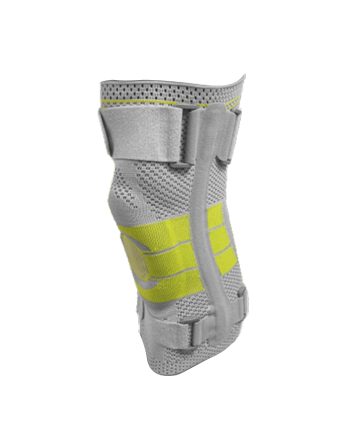
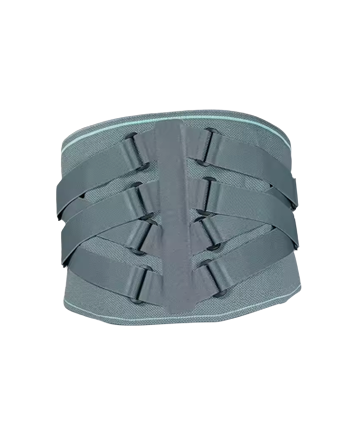
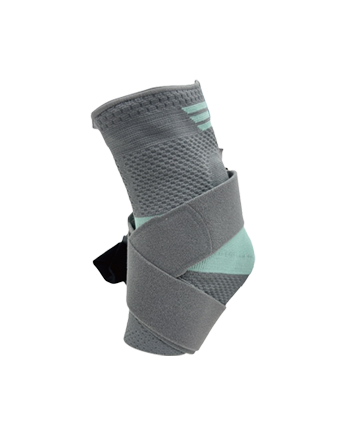
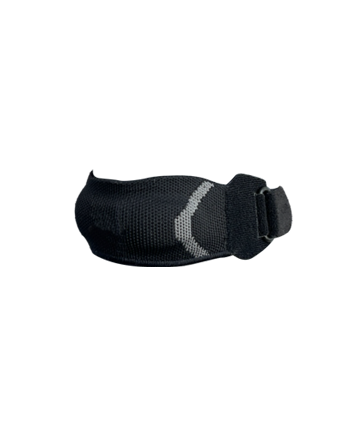
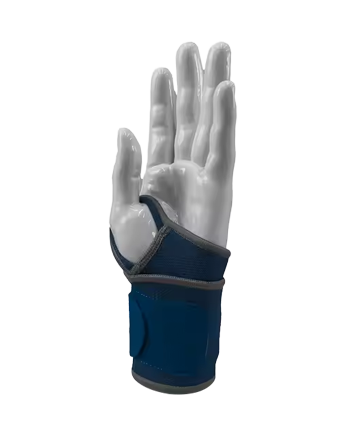
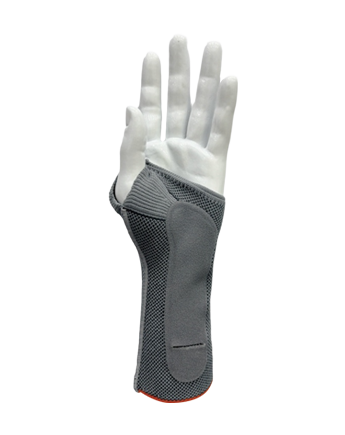
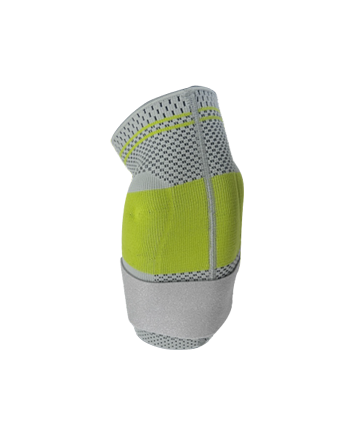
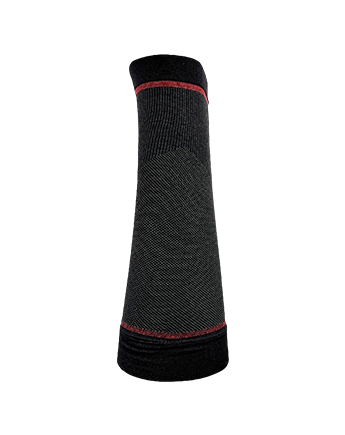
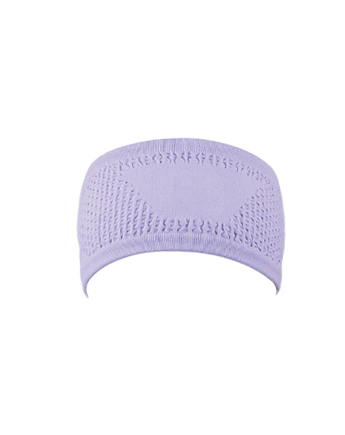
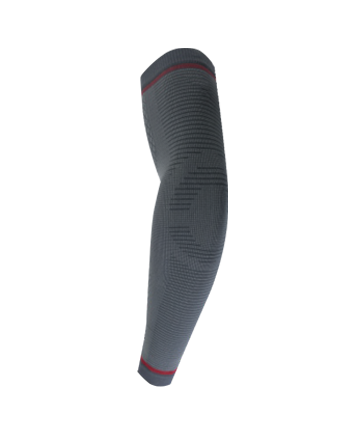
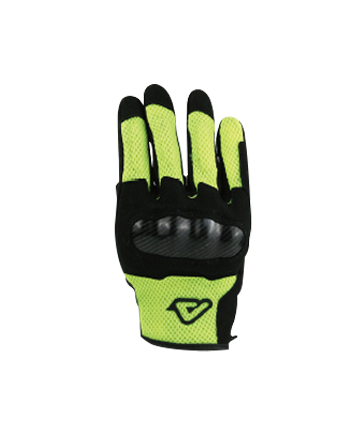
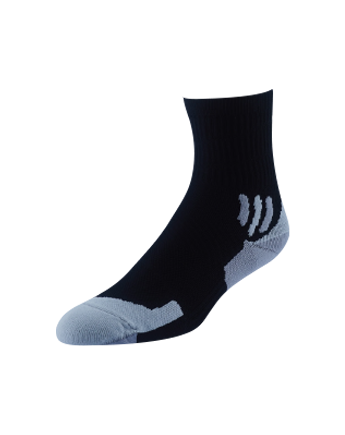
Forty minutes into a set of pull-ups, someone notices their wrist support has turned into a damp, clingy strip of fabric that's started sliding out of place. The support itself hasn't failed mechanically — it's just become uncomfortable enough that they're now thinking about their wrist wrap instead of their workout. That's the exact problem Breathable Wrist Support is meant to solve.
Grip a barbell, catch a basketball pass awkwardly, hold a plank a little too long — the wrist absorbs stress in ways that rarely get noticed until something starts aching. It's a small joint asked to handle a disproportionate amount of load-bearing and repetitive motion across almost every physical activity.
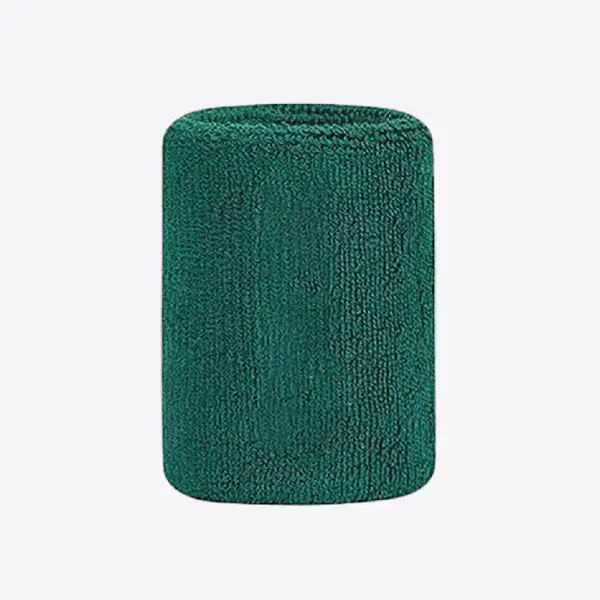
Wrist support exists to give that joint a bit more stability during exactly these moments, without turning into a hindrance.
| Purpose | User Benefit |
|---|---|
| Added support | Reduces uncertainty during grip-heavy movements |
| Comfortable fitting | Makes it realistic to wear for a full session |
| Movement assistance | Helps during repetitive or high-load activity |
| Protection awareness | Builds a habit of guarding against strain before it happens |
A weightlifter mid-set and someone typing through a long workday have different wrist demands, but both benefit from support that doesn't become its own distraction.
Traditional wrist wraps often prioritized rigidity over comfort, using thicker, denser materials that held a joint firmly but trapped heat and moisture underneath. Breathable Wrist Support uses materials designed to improve airflow through the wrap, affecting how it feels during longer wear rather than only during the initial moments of use.
| Feature | Purpose |
|---|---|
| Breathable material structure | Lets air circulate instead of trapping heat against skin |
| Flexible design | Keeps the wrist mobile rather than locked in place |
| Secure fitting | Stays positioned through movement instead of sliding |
| Lightweight feeling | Avoids the bulky, cumbersome sensation of older designs |
Someone running through a circuit workout notices this difference specifically at the point where a non-breathable wrap starts feeling heavy and damp, while a breathable one still feels close to how it did at the start.
A wrist support sitting in a gym bag unused provides exactly zero protection. The gap between owning protective gear and actually wearing it consistently usually comes down to comfort, not effectiveness.
Breathability affects several things at once during a workout:
Someone who's tried both a stiff, non-breathable wrap and a lighter, ventilated one usually has a strong preference after just one session, because the difference shows up fast once sweat and heat enter the picture.
Two wrist supports can look nearly identical on a shelf and perform completely differently once someone's actually sweating through a workout. The material underneath the surface determines almost everything about how the product behaves under real conditions.
| Material Consideration | Influence |
|---|---|
| Softness | Determines how the wrap feels against skin over time |
| Flexibility | Affects whether the wrist can still move naturally |
| Breathability | Shapes comfort during longer or more intense sessions |
| Durability | Determines how the wrap holds up after repeated washing and use |
For a business sourcing wrist support products for resale, understanding these material differences matters more than comparing price alone, since a cheaper product that falls apart or overheats quickly tends to generate returns and complaints down the line.
A powerlifter gripping a heavy bar and someone doing light stretching both might reach for wrist support, but their actual needs differ quite a bit. Flexible design is what allows one basic product category to stretch across that range without needing a completely separate version for every activity.
| Activity Type | Application Need |
|---|---|
| Fitness training | Support that doesn't interfere with varied movement patterns |
| Weight-related activities | A firmer sense of security during heavier loads |
| Outdoor exercise | Durability against sweat, weather, and repeated motion |
| Daily activities | Light, unobtrusive support for ordinary wrist strain |
A physical therapy patient recovering from a minor wrist strain and a rock climber preparing for a long session are both plausible users of the same general product, just with different expectations about how much support versus flexibility they need.
Buying wrist support at scale involves a different set of questions than a single consumer picking one off a shelf. A business needs the product to perform consistently across an entire order, match what customers expect, and hold up well enough that it doesn't generate a wave of complaints after the fact.
| Purchasing Factor | Reason |
|---|---|
| Product design | Needs to match what the target customer base actually wants |
| Material quality | Directly shapes user experience and repeat purchases |
| Supplier reliability | Affects whether future orders arrive on time and consistent |
| Application range | A product that fits multiple use cases opens up a wider customer base |
A retailer selling to both casual gym-goers and more serious athletes benefits from a product versatile enough to satisfy both groups without needing to stock two entirely separate product lines.
A wrist wrap that locks the joint too rigidly can end up limiting natural movement in a way that actually interferes with proper form during certain exercises. One that's too loose fails to provide any real stabilizing benefit. The useful middle ground is a design that offers enough structure to matter without turning the wrist into something stiff and immobile.
Design work in this space tends to focus on:
Someone doing overhead presses needs the wrist to bend slightly under control, not lock into one fixed angle, which is exactly where overly rigid designs tend to create more problems than they solve.
Manufacturers used to design protective sports gear mainly around function, treating comfort as a secondary concern. That's shifted as more people expect gear to fit naturally into a daily routine rather than feeling like an obligation they tolerate for the sake of safety.
| Experience Factor | User Expectation |
|---|---|
| Comfort | Wearable for a full session without becoming a distraction |
| Convenience | Quick to put on, adjust, and remove between activities |
| Appearance | Something people don't feel embarrassed wearing in public |
| Functionality | Actually provides support during the movements that matter |
A gym-goer who tries a wrist support product, finds it uncomfortable after one session, and never wears it again represents a fairly common outcome that manufacturers have had to take seriously as feedback loops from reviews and returns have gotten louder.
The sports protection market doesn't stay still for long. New materials, new activity trends, and shifting customer expectations mean suppliers who stick with the same product lineup for years risk falling behind buyers who are comparing options more carefully than they used to.
Supplier evaluation in this space tends to involve:
A business that's been burned once by inconsistent product batches tends to prioritize supplier communication and consistency far more heavily on the next order, since that kind of problem is expensive to fix after the fact.
People are getting less willing to tolerate protective gear that feels like a compromise between safety and comfort. Breathable Wrist Support reflects that shift directly — it's not treating breathability as a bonus feature, but as something close to a baseline expectation for anyone wearing support during real physical activity.
For businesses supplying this kind of product and for the people actually wearing it, the direction seems fairly clear: material improvements, better airflow, and flexible designs that adapt across different activities will keep mattering more than raw stability alone. A wrist wrap that people actually want to keep wearing protects far better, in practice, than one that technically works but ends up sitting unused in a bag.
Steriger is a national high-tech enterprise specializing in the R&D and production of high-quality sports supports, medical braces, and sports compression socks.
Copyright © Zhejiang Steriger Sports Medicine Technology Co., Ltd.
The information provided on this website is intended for use only in countries and jurisdictions outside of the People's Republic of China.

Approval No: 浙金药监械生产备20200039号

 English
 Español
 Deutsch
 عربى
عربى Français