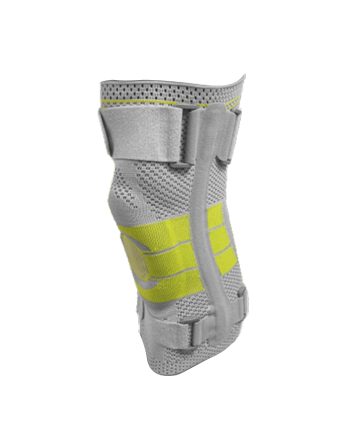
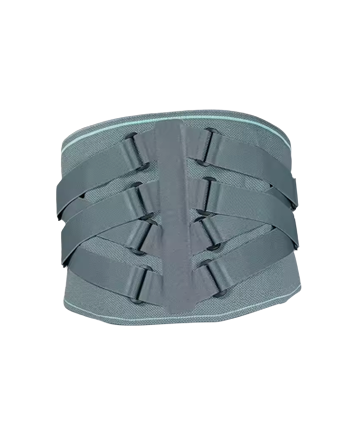
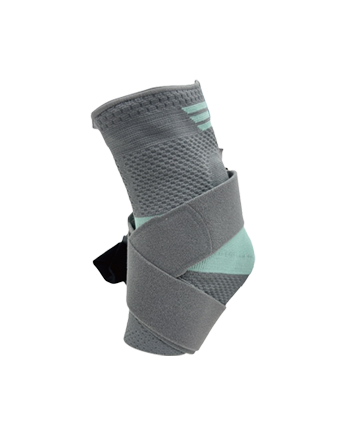
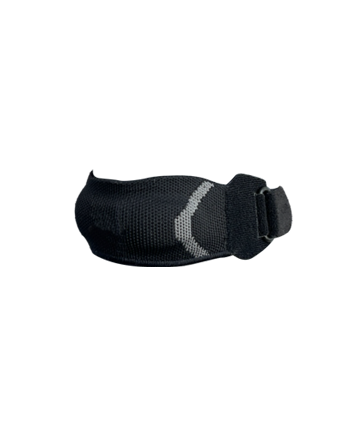
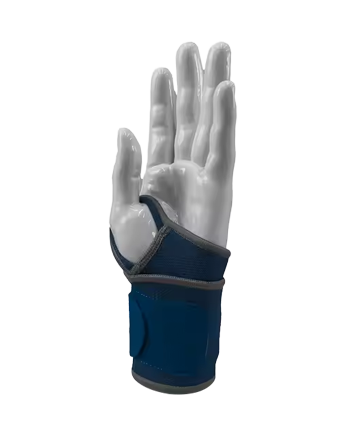
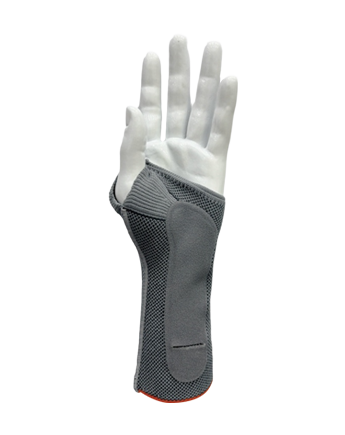
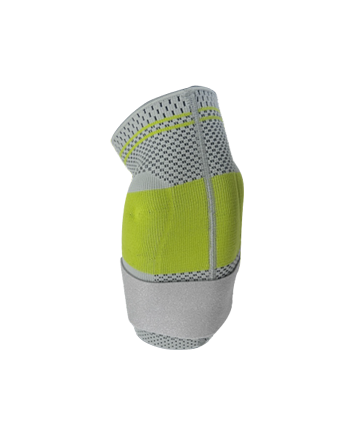
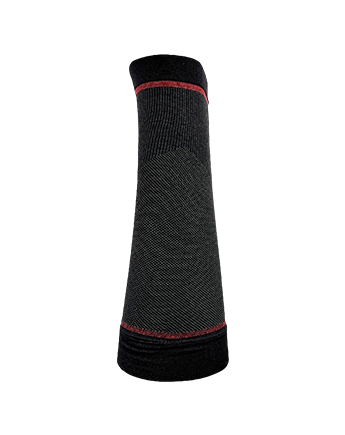
Someone typing through back-to-back meetings all afternoon has different wrist needs than someone wearing a support during a weekend hike or while lifting boxes during a move. Wrist support used to mean a stiff, bulky brace pulled out only after an injury. Now people wear something similar just to get through a long workday at a keyboard or a repetitive task at home without their wrist aching by evening. The Breathable Wrist Support shows up in that shift because it doesn't ask users to choose between support and comfort. A brace that traps heat against the skin gets pulled off within the hour, no matter how well it stabilizes the joint. One that lets air move through tends to stay on, which matters more than any structural feature if the goal is actually wearing it long enough to help. Manufacturers building these products now spend as much time on fabric weave and stitching placement as they do on the support structure itself, because a wrist wrap that irritates skin after two hours doesn't do its job, regardless of how well it's engineered.
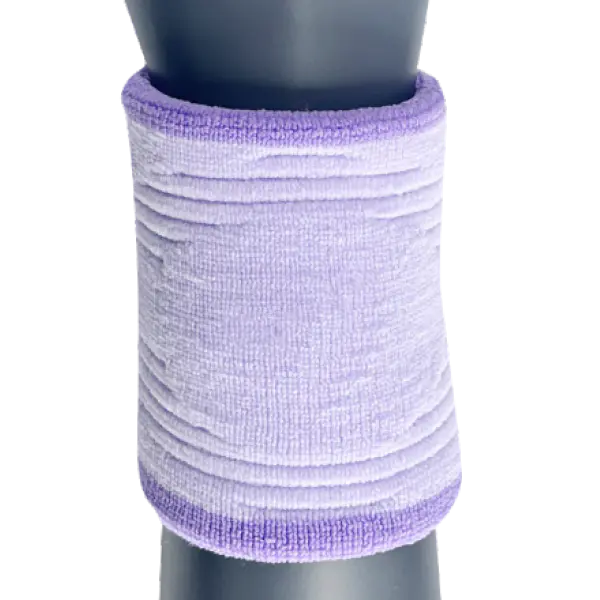
A Breathable Wrist Support wraps around the wrist to add stability while letting air pass through the fabric instead of sealing heat and sweat against the skin. Someone wearing one during a warehouse shift or a long drive can quickly notice whether the wrap allows airflow or simply holds in moisture against the skin.
Heavier braces made from thick neoprene tend to hold heat close to the skin, which feels fine for a short stretch but turns uncomfortable once someone's worn it past lunchtime.
A basic wrist support usually breaks down into a few working parts:
| Component | What it does |
|---|---|
| Main fabric | Sits against the skin, needs to stay soft rather than stiff |
| Breathable panel | Lets air move through instead of trapping heat |
| Adjustable closure | Lets the wearer tighten or loosen depending on the task |
| Reinforced edges | Keeps the fabric from fraying at the seams |
None of these pieces look complicated by themselves, but skip the breathable panel and the whole thing feels different by mid-afternoon.
A decade ago, wrist supports mostly showed up on athletes recovering from a sprain or people doing manual labor. Now someone might wear one through an eight-hour data entry shift, a long commute gripping a steering wheel, or a weekend spent gardening.
That longer wear time changes what actually matters in the design. A brace tolerable for twenty minutes of physical therapy exercises isn't the same as one someone wears from breakfast until dinner.
People reaching for these products day after day tend to want:
As wrist supports stop being an occasional injury tool and start becoming something people wear regularly, breathability stops being a nice extra and becomes the difference between wearing it consistently or leaving it in a drawer.
Comfort with a wrist support comes down to a handful of small things layered together, not one single feature doing all the work.
A breathable design allows air to move through the fabric instead of letting sweat collect between the wrap and skin, which affects comfort during extended wear rather than only at the beginning.
| Design feature | What it does day to day |
|---|---|
| Breathable fabric | Keeps air moving instead of trapping warmth |
| Soft surface | Avoids that scratchy feeling after hours of wear |
| Flexible build | Lets the wrist bend without fighting the material |
| Lightweight structure | Doesn't feel like extra bulk under a sleeve |
Someone who forgets they're even wearing a wrist support, because it's not distracting them with heat or stiffness, tends to keep it on through the whole task instead of taking it off halfway through.
Fabric choice shapes almost everything about how a wrist support feels hours into wearing it. A stiff, non-breathable material might hold its shape well on a store shelf, but it behaves differently once body heat and movement get involved.
Manufacturers building for daily wear tend to weigh a few things at once:
Blending a stretchy base fabric with a mesh-like breathable panel lets a wrist support flex with the joint while still letting heat escape, instead of forcing a choice between one or the other.
The wrist barely gets a break during a normal day. Typing, writing, opening jars, carrying grocery bags, scrolling a phone, gripping a steering wheel — all of it involves constant small movements at the joint.
A wrist support that doesn't flex with those movements turns into something the wearer notices constantly, usually in a bad way.
Flexible construction tends to show up as:
A support with some give in the fabric lets someone forget they're wearing it during routine tasks, which is usually the actual goal.
An office worker sitting at a desk all day has different wrist demands than someone doing yard work or lifting weights at the gym. A wrap built with some flexibility in mind can handle both without needing a separate version for each.
| Lifestyle | How a breathable design helps |
|---|---|
| Office work | Stays comfortable through hours of typing and mouse use |
| Fitness | Handles sweat and movement during a workout |
| Outdoor tasks | Holds up through temperature and activity changes |
| Errands and chores | Doesn't interfere with lifting or carrying |
| Travel | Comfortable through long stretches of sitting or driving |
Someone who wears the same wrist support at their desk in the morning and during a workout after work benefits from a design that isn't built around just one of those situations.
A bulky brace stacked under a jacket sleeve or a long-sleeve shirt gets noticed fast, and not in a good way. Something lighter tends to disappear under clothing instead of creating a visible bump or restricting how the sleeve moves.
People who stick with wearing a wrist support consistently often mention things like:
Cutting even a small amount of bulk from the design changes how often someone actually reaches for it instead of leaving it at home.
A wrist support that looks like medical equipment can feel awkward to wear at a desk job or during a casual outing. People increasingly want something that doesn't scream "injury" the moment someone notices it.
Manufacturers have started paying closer attention to how these products look, not just how they perform.
Design choices showing up more often include:
Someone willing to wear their wrist support through a client meeting or a coffee run with friends, because it doesn't look out of place, ends up getting more consistent use out of it.
Not every wrist support fits every routine. Someone doing repetitive desk work has different needs than someone using one during a workout or recovering from strain after gardening.
| Thing to think about | Why it matters |
|---|---|
| What activities it'll cover | A desk-focused wrap differs from one for physical labor |
| How many hours it'll be worn | Longer wear time raises the importance of breathability |
| Preferred fabric feel | Some people prefer softer material, others want more structure |
| How it'll be cleaned | Frequent use means frequent washing |
Working through these questions before buying tends to prevent the common letdown of a wrist support that looked fine online but didn't fit the actual daily routine.
Work habits keep shifting between desks, laptops on kitchen counters, and hybrid schedules that mix home and office days. Physical activity fits into whatever gaps the day allows, whether that's a lunchtime walk or a weekend spent on home projects. Wrist supports have to keep up with that unpredictability instead of being built for just one scenario. Manufacturers responding to this tend to focus on refining breathable fabrics, adjusting how the support flexes with the joint, and paying attention to how the product looks once it's out of the packaging and onto someone's wrist during an actual workday. The Breathable Wrist Support fits into that shift by staying comfortable through long wear, flexible enough for different tasks, and unremarkable enough in appearance that people don't think twice about wearing it through a regular day, whether that day involves a keyboard, a garden hose, or a set of dumbbells.
Steriger is a national high-tech enterprise specializing in the R&D and production of high-quality sports supports, medical braces, and sports compression socks.
Copyright © Zhejiang Steriger Sports Medicine Technology Co., Ltd.
The information provided on this website is intended for use only in countries and jurisdictions outside of the People's Republic of China.

Approval No: 浙金药监械生产备20200039号

 English
 Español
 Deutsch
 عربى
عربى Français