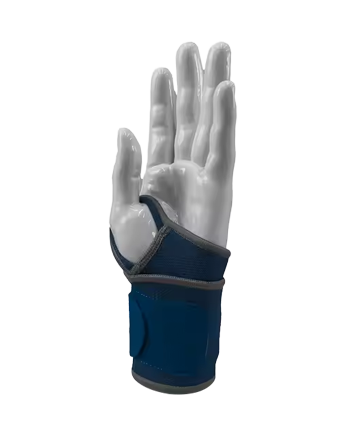
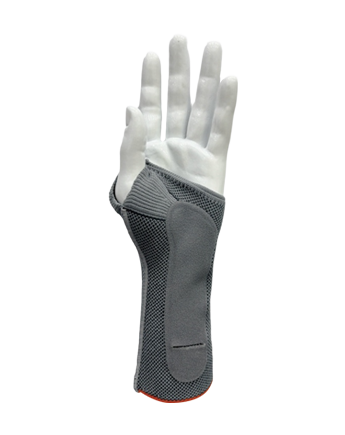
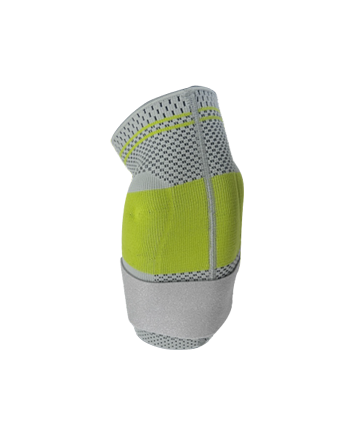
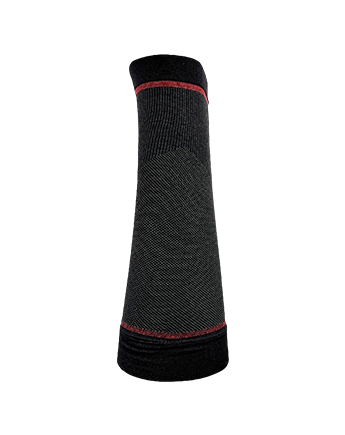
Watch anyone doing bicep curls at a gym for more than a minute, and you'll probably spot a wrist wrap peeking out from under their gloves or sleeves. That small accessory has quietly become part of how people train, whether they're lifting weights, hitting a tennis ball, or just working through a repetitive task that puts strain on the wrist joint over and over. Nylon Wrist Support sits right in the middle of this trend, as manufacturers keep working out how to combine real support with actual comfort, easy adjustability, and handling that doesn't feel like a hassle.
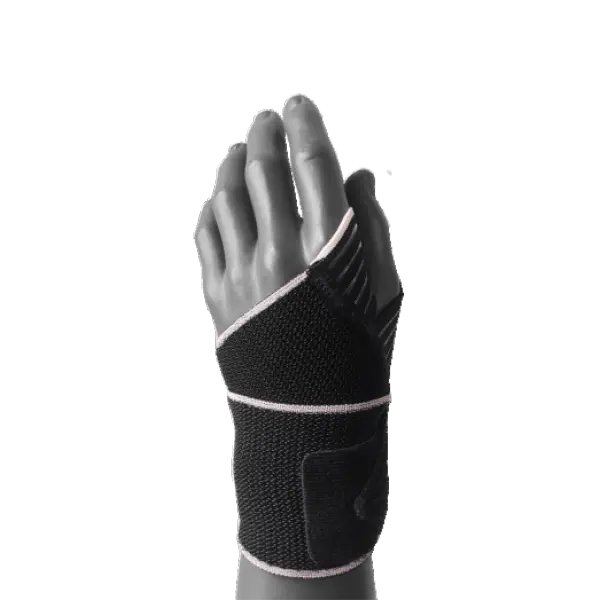
People expect a lot more from a wrist wrap than basic coverage these days. They want something that feels comfortable while moving, stays put through a whole workout, and genuinely fits into an active routine without becoming a distraction. Material choice, how it fastens, how breathable it feels, how the edges are finished, overall shape, all of it shapes that actual experience once someone straps it on.
That is why design decisions increasingly focus on the small details people notice through regular wear. A Wrist Support may look like a simple piece of fabric, but the materials and construction behind it can influence how comfortably and reliably it functions as everyday sports gear.
Material choice directly shapes how a Wrist Support feels once it's actually on someone's wrist.
Nylon shows up constantly in sports accessories because it works well in lightweight, flexible product structures while holding up reasonably well to repeated handling. Someone putting a wrist wrap on and off multiple times a week needs a material that can take that without falling apart.
For a Wrist Support specifically, that fabric needs to work alongside other parts of the product. It often gets combined with fastening sections, elastic zones, padding, or reinforced areas, depending on what the specific design is going for.
A genuinely good Wrist Support isn't just fabric wrapped around a wrist. It has to balance several everyday concerns at once.
| Design Element | How It Shows Up in Real Use |
|---|---|
| Material feel | Shapes comfort during actual wear |
| Flexibility | Lets natural wrist movement happen |
| Fastening structure | Helps keep the support from shifting |
| Surface design | Affects how it feels against skin |
| Edge construction | Can shape overall wearing comfort |
| Adjustability | Lets someone dial in their own fit |
These details explain why manufacturers keep refining Wrist Support designs rather than settling on one fixed version. The goal stays consistent, though: build something that works with movement instead of fighting against it during an actual workout.
A Wrist Support needs to sit securely without making someone feel like their hand is trapped.
Poor positioning throws off comfort fast, and it tends to push people into constantly readjusting the wrap mid-workout, which gets old quickly when someone's trying to focus on their actual training.
Modern designs lean heavily into adjustability because wrists genuinely differ from person to person, and so do personal preferences. A fastening system that lets someone create their own fit works a lot better than forcing everyone into one fixed shape regardless of their actual wrist size.
Movement matters here too. During exercise, the wrist shifts position again and again. A support that's hard to adjust, or that feels wrong once the hand moves, turns into an annoyance pretty fast.
Manufacturers end up weighing how these factors interact:
A tighter fit isn't automatically the better choice here. What actually works depends on the specific activity and how the product itself is built. Following whatever the manufacturer's own instructions say about adjustment genuinely matters, rather than guessing based on what worked for a different product.
Heat and sweat build up fast during physical activity, and anyone who's trained in humid weather knows exactly how uncomfortable that gets.
A Wrist Support that sits against skin for an extended stretch starts feeling unpleasant pretty quickly if that moisture has nowhere to actually go. Nobody wants to peel off a soggy wrist wrap after a long session.
That discomfort has pushed a lot more attention toward breathable construction. Designers reach for fabric structures or material combinations that let air move through while still holding onto the support's actual function.
Breathability matters a lot more for people doing longer workouts or repeated training sessions throughout the week. Comfort genuinely shapes whether someone actually keeps reaching for an accessory as part of their regular routine, or whether it ends up shoved in a gym bag and forgotten.
The main design challenge is finding a practical balance between ventilation and support. A Wrist Support needs to allow comfortable airflow while still providing a secure fit and steady feel, because without that balance, it loses much of its purpose as everyday sports gear.
Modern Wrist Support design ends up considering the full wearing experience because of this. The material needs to feel reasonable against skin, while the overall structure still delivers whatever support level the activity actually calls for.
The fastening system is a key feature of any Wrist Support because it affects how easily the support can be put on, adjusted, secured, and removed during everyday use.
Older approaches often relied on simple straps. Newer designs bring in wider fastening areas or more flexible adjustment structures instead. Which approach makes sense depends entirely on the intended use and who's actually going to wear it.
A genuinely practical fastening system stays easy to understand at a glance. Nobody wants to spend five minutes figuring out how a wrist wrap is supposed to sit before they've even started their warm-up.
| Fastening Feature | What It's Meant to Do |
|---|---|
| Adjustable strap | Lets someone change the fit as needed |
| Wide contact area | Spreads out fastening pressure evenly |
| Flexible closure | Makes handling easier overall |
| Secure attachment | Helps the wrap stay in position |
| Easy release | Makes removal quick and simple |
These small features actually matter during a busy workout. Someone switching between exercises might really value quick, easy handling when swapping the wrap on and off. Someone else cares more about a fastening system that stays locked in through repeated, intense movement.
What works well depends on the specific activity, since different activities call for different types of support and comfort.
Comfort has become tightly linked to whether a product actually gets used regularly.
A Wrist Support can technically do its job, but if the material feels rough, the edges dig into skin, or putting it on turns into a fuss, people tend to just stop reaching for it. A wrap sitting unused in a drawer isn't helping anyone's wrists.
Nylon works well in designs aiming for a genuine balance between flexibility and structure. Designers also pay close attention to how seams, edges, and contact surfaces actually interact with skin during movement.
Small construction choices end up mattering a lot more than they might seem to on paper.
An edge finished smoothly moves with the wrist without much notice, while a rougher edge that keeps pressing against skin becomes distracting fast, especially over a longer training session. A flexible section allows natural wrist movement in a way a stiffer, more rigid structure just can't match.
Comfort isn't some decorative afterthought tacked onto the design. It's genuinely part of how people interact with the product every time they put it on.
That matters especially for sports accessories, since people wear these while actually focused on lifting, training, or whatever activity they're doing. A comfortable design fades into the background, letting someone focus on their actual workout instead of fidgeting with their wrist wrap.
Sports accessories take a real beating from repeated handling over time.
A Wrist Support gets stretched, adjusted, folded up, tossed in a bag, washed, and pulled back out again, over and over across weeks and months of regular use.
That kind of wear creates genuine demands on both materials and construction.
Manufacturers have to think through how the different parts of a Wrist Support hold up together over that repeated use. The fastening area, the stitching, the fabric itself, and any reinforced sections all face different kinds of stress depending on how someone actually uses the product.
Durability doesn't just mean piling on heavier material, either. A heavier design creates its own comfort problems, since a bulky wrist wrap can feel just as annoying as a flimsy one.
Instead, designers tend to place sturdier material exactly where it's actually needed, while keeping the overall product practical enough for everyday use without turning it into dead weight on someone's wrist.
This thinking extends into maintenance too. A Wrist Support that's easy to clean and store tends to actually stay part of someone's regular routine, rather than getting left behind because washing it feels like too much hassle.
Following whatever care instructions came with a specific product remains genuinely important here, since different materials and constructions call for different cleaning approaches.
Not every sport or exercise puts the same kind of strain on the wrist.
Weight training, racket sports, cycling, group fitness classes, and general recreational activity all involve genuinely different types of wrist movement. Someone deadlifting needs something different from someone playing tennis for two hours.
That difference has pushed manufacturers to think through specific use cases, rather than trying to build one wrap meant to cover every possible activity out there.
For strength training, people tend to prioritize stability and a secure fastening that won't budge under heavy load. For activities involving a lot of repeated hand movement, flexibility and comfort usually matter a lot more than raw rigidity.
A product built around one particular activity often ends up shaped pretty differently from a general-purpose wrist accessory.
| Activity | Likely Design Priority |
|---|---|
| Strength training | Secure support paired with real adjustability |
| Repetitive hand movement | Flexibility and everyday comfort |
| Outdoor exercise | Breathable, practical construction |
| Fitness classes | Easy handling and a fit that stays secure |
| General daily use | Lightweight, comfortable design |
None of these categories work as strict rules, though. Individual preference still varies a lot even among people doing the exact same activity side by side.
The broader shift is pretty clear regardless. Product development keeps moving toward how an accessory will actually get used in real life, rather than treating Wrist Support as one generic, interchangeable category.
Wrist Support design keeps moving toward blending function, comfort, and personal preference together. People pay close attention to how a product feels while actually moving, how easily it adjusts, and whether it genuinely fits alongside the rest of their gear.
Material combinations keep getting more thoughtful too. Nylon works well alongside elastic materials, various fastening systems, padding, and other structural pieces. Each component handles its own specific job without turning the overall design into something needlessly complicated.
Appearance factors in here as well. Sports accessories increasingly get treated as part of someone's personal gear, not just a purely functional item shoved on without a second thought. Color, texture, shape, and finishing details all shape how someone actually feels about wearing a particular wrap out in public or at the gym.
Practical features still carry real weight, though. A Wrist Support needs to go on easily, adjust without fuss, come off quickly, clean up well, and store without hassle. These everyday details shape how satisfied someone feels with a product just as much as how it actually looks.
For manufacturers, the real challenge comes down to bringing all these pieces together without overcomplicating the final product. Nylon Wrist Support keeps developing around exactly that balance, with attention shifting toward flexible materials, comfortable contact against skin, adjustable fastening, breathable construction, and designs built around specific real-world activities.
Steriger is a national high-tech enterprise specializing in the R&D and production of high-quality sports supports, medical braces, and sports compression socks.
Copyright © Zhejiang Steriger Sports Medicine Technology Co., Ltd.
The information provided on this website is intended for use only in countries and jurisdictions outside of the People's Republic of China.

Approval No: 浙金药监械生产备20200039号

 English
 Español
 Deutsch
 عربى
عربى Français