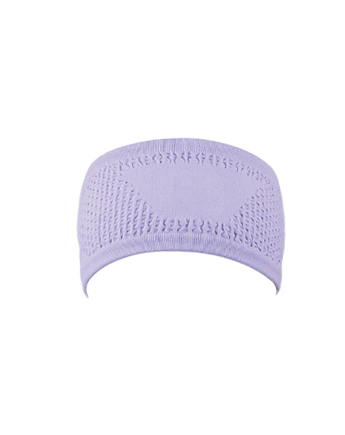
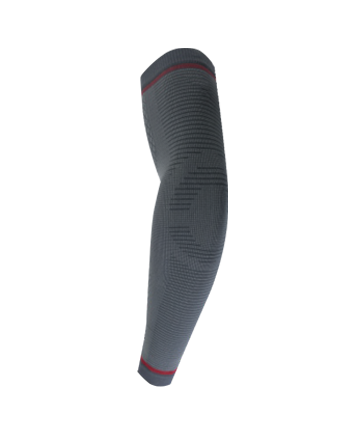
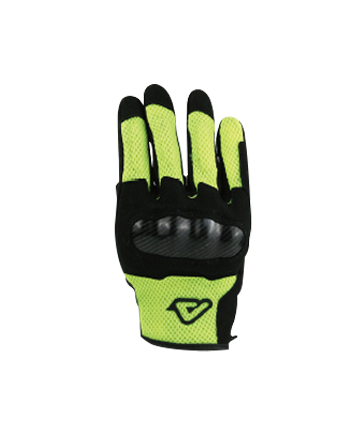
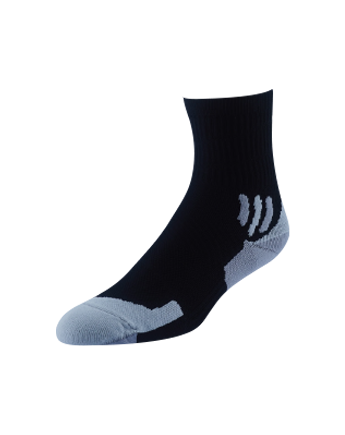
A gym session at 6 a.m. before work looks different from a Saturday morning trail run, and both look different from an hour of yoga on a living room floor. People fit exercise into whatever slot the day allows, and the gear they wear has to keep up with that variety. A wristband that worked fine for someone doing bicep curls twenty years ago might feel out of place on someone switching between spin class and rock climbing in the same week.
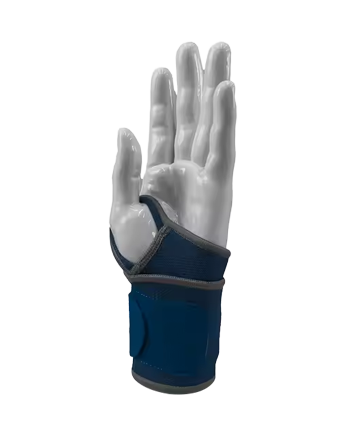
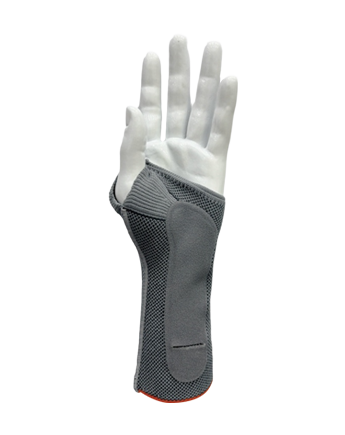
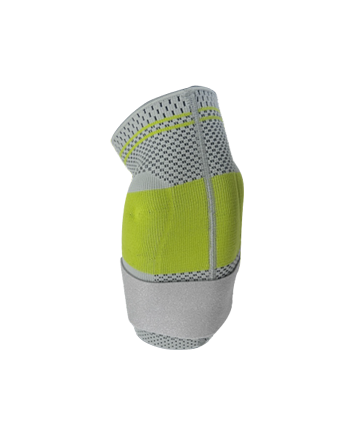
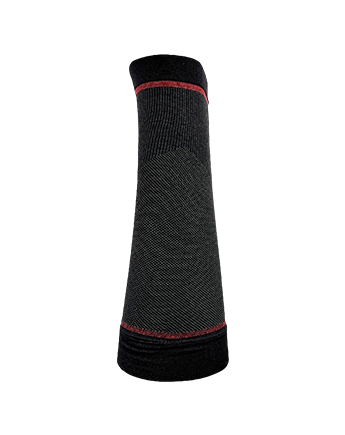
The Moisture-wicking Wristband has stayed part of that gear rotation because it solves a problem nobody wants to think about mid-workout: sweat dripping onto hands, equipment, or a phone screen. It looks like a small strip of fabric, but the choices behind its fabric blend, stitching, and stretch reflect how differently people move and sweat compared to a few decades ago.
Someone buying a wristband today isn't just picking a color to match their shoes. They're thinking about whether it'll survive a sweaty circuit workout, whether it'll feel scratchy after an hour of running, and whether they'll still want to wear it running errands afterward.
A Moisture-wicking Wristband sits around the wrist and pulls sweat away from the skin instead of letting it sit there. Anyone who's wiped a dripping forehead with the back of their hand mid-set knows why that matters.
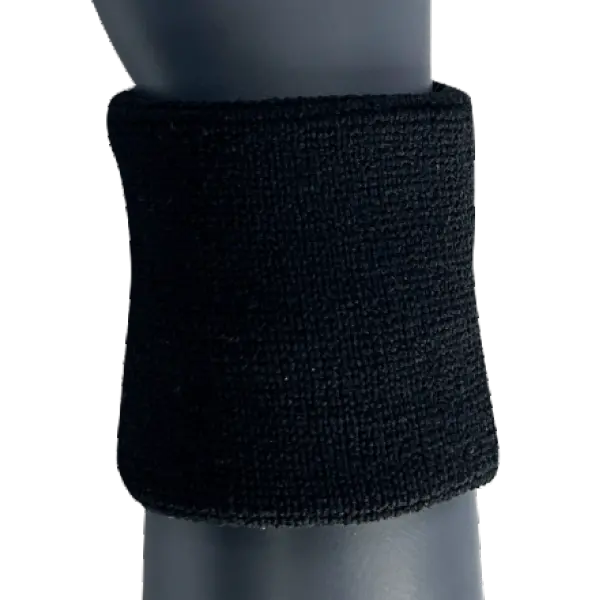
Regular cotton soaks up sweat and stays wet, which is fine for a few minutes but turns uncomfortable during a longer workout. Wicking fabric moves that moisture toward the outer surface where it can evaporate faster.
A basic wristband is built from a few parts working together:
| Component | What it does |
|---|---|
| Fabric layer | Sits against the skin, needs to feel soft rather than scratchy |
| Wicking material | Pulls sweat outward instead of letting it soak in |
| Stretch structure | Keeps the band snug without cutting off circulation |
| Finished edges | Stop the fabric from fraying after repeated washing |
None of these parts look complicated on their own, but skipping any one of them shows up fast once someone's forty minutes into a workout.
Gym culture used to center around lifting weights and maybe a treadmill. Now someone's weekly routine might include a strength session on Monday, a run on Wednesday, and a climbing gym visit on Saturday, each one asking something different from their gear.
A wristband made only with weightlifting in mind might feel bulky during a run. One built purely for running might not hold up to gripping a barbell repeatedly.
People switching between activities tend to look for wristbands that offer:
Manufacturers building for this kind of user have to think past a single sport, because the same wristband might end up doing duty in three different activities in one week.
Sweat is normal. Nobody's trying to eliminate it, but nobody wants it sliding down their arm onto their hands either, especially when those hands are gripping a barbell or a bike handle.
A Moisture-wicking Wristband handles that sweat by moving it away from the skin before it pools there.
| Design feature | What the user notices |
|---|---|
| Wicking fabric | Less clammy feeling around the wrist |
| Soft material | Doesn't chafe after repeated wiping |
| Lightweight build | Doesn't add noticeable weight to the arm |
| Flexible fit | Stays put whether the wrist bends or extends |
Someone doing burpees or sprint intervals doesn't have time to keep adjusting their gear, so a wristband that just stays comfortable without needing attention lets them focus on the workout instead.
Older sports wristbands often used a single thick cotton blend, which worked but didn't do much beyond soaking up sweat and eventually smelling like it.
Current designs mix synthetic fibers with natural ones, aiming for a fabric that dries faster and doesn't hold onto odor the same way.
Things that show up in newer material choices:
Blending fabrics instead of relying on one material lets a wristband handle both a sweaty spin class and a light stretching session without feeling wrong in either situation.
People aren't just wearing wristbands during a 45-minute gym session anymore. Someone training for a half marathon might have one on for two hours straight. Someone hiking on a weekend might wear it from morning until the trailhead parking lot in the afternoon.
That longer wear time changes what "comfortable" actually means.
A wristband that holds up well needs to:
A design that feels fine for ten minutes but starts irritating skin after an hour isn't solving the problem it was made for.
A runner's wrist moves in a steady back-and-forth rhythm. Someone at the squat rack grips and releases repeatedly. A basketball player cuts and pivots without warning. Yoga asks for slow, controlled positions held for stretches of time.
A wristband built with some give in the fabric can handle these differences without needing a separate version for each sport.
| Activity | What the wristband needs to handle |
|---|---|
| Running | Steady arm swing over a long stretch of time |
| Gym workouts | Repeated gripping and sweat buildup |
| Cycling | Hours of steady position with wind exposure |
| Outdoor recreation | Changing temperature and terrain |
| Team sports | Sudden stops, turns, and quick bursts |
One wristband covering several of these situations means someone doesn't need a separate drawer full of gear for each activity they do during the week.
A lot of people leave the gym and go straight to errands, coffee with a friend, or picking up kids from school. Gear that looks like it belongs only in a weight room can feel out of place in those moments.
Because of that, wristband design has started paying attention to how it looks outside the gym, not just inside it.
Things that come up often in current designs:
Someone who can leave their wristband on after a workout without feeling like they need to change it tends to get more use out of the same product.
A wristband worn several times a week picks up sweat, dust, and whatever else the activity involves, whether that's chalk from a climbing gym or dirt from a trail.
People don't want to babysit their gear, so maintenance needs to stay simple.
Basic care usually comes down to:
A wristband that needs hand-washing or special detergent tends to get worn less often, simply because that extra step gets skipped when someone's rushing out the door for a workout.
People buying sports accessories now ask more questions than they used to. It's not just "does it look good," but also "will it hold up," "will it feel comfortable after an hour," and "can I wear this outside the gym too."
| What buyers are asking for | How manufacturers are responding |
|---|---|
| Comfort during long wear | Softer, more breathable fabric blends |
| Use across different activities | Designs that aren't built for just one sport |
| A look that works outside workouts | Simpler, more neutral styling |
| Gear that lasts through regular washing | Better stitching and edge finishing |
Paying attention to actual complaints and requests from customers, rather than guessing at what people want, tends to shape these design choices more than trend forecasts do.
Workouts don't happen in one place anymore. Someone might do a home workout using a phone app on Monday, hit an outdoor bootcamp on Wednesday, and squeeze in a hotel gym session while traveling on Friday. Gear has to follow that same unpredictable pattern. The Moisture-wicking Wristband fits into that pattern because it doesn't ask much of the user. It handles sweat, holds up across different activities, and doesn't look out of place once the workout ends. That combination of practical function and everyday wearability is why it keeps showing up in gym bags, at trailheads, and in the mesh pocket of a gym duffel, regardless of which specific workout someone's headed to that day.
Steriger is a national high-tech enterprise specializing in the R&D and production of high-quality sports supports, medical braces, and sports compression socks.
Copyright © Zhejiang Steriger Sports Medicine Technology Co., Ltd.
The information provided on this website is intended for use only in countries and jurisdictions outside of the People's Republic of China.

Approval No: 浙金药监械生产备20200039号

 English
 Español
 Deutsch
 عربى
عربى Français