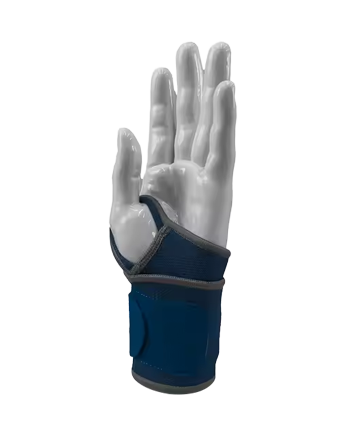
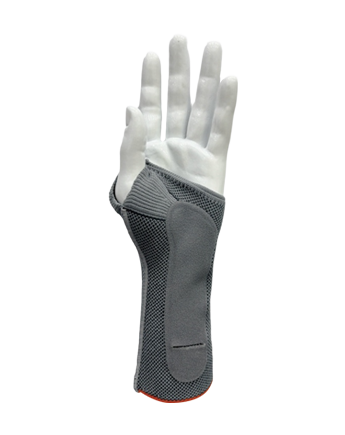
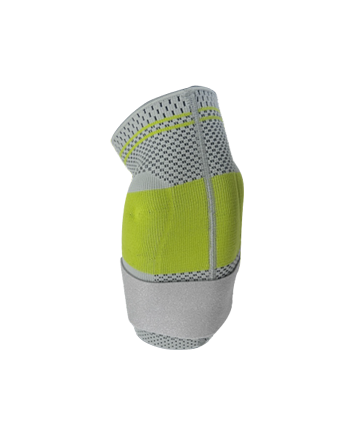
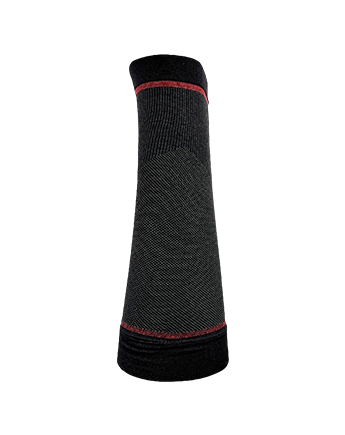
A wrist sleeve may look simple sitting on a store shelf, but its support depends on how different areas of the product interact with the wrist underneath the fabric. A good design needs to consider the shape of the joint, the movement of the hand, and the way pressure gets distributed across the sleeve during actual use, not just when it's lying flat on a table.
The wrist is not a flat section of the arm the way a forearm sleeve might treat it. It connects the hand with the forearm and moves through many daily activities almost constantly. Typing, lifting, gripping, carrying, exercising, and other tasks can all create genuinely different demands around this area throughout a single day. A Compression Wrist Support Sleeve is designed around these practical differences rather than treating the wrist as one simple cylinder. Instead of treating the entire wrist as one uniform zone, product designers can divide the sleeve into areas that serve different purposes depending on where they sit.
The wrist joint itself is an important reference point for the whole design. It sits between the lower arm and hand, so the sleeve needs to remain close to this moving area without creating an awkward feeling during normal use like reaching for a coffee cup. The palmar side also deserves attention because it faces the inside of the hand and interacts with gripping movements dozens of times an hour. The dorsal side faces the back of the hand and may require a different construction, because the movement and shape are not identical on both sides of the wrist.
The wristband zones add another layer to the design worth considering separately. These areas influence how the sleeve stays in place, how it feels around the skin, and how the product transitions from the wrist toward the forearm without a jarring edge. When these areas get planned together rather than as an afterthought, the product can feel a lot more balanced during everyday activity, which makes support-zone design a useful subject for manufacturers and buyers looking beyond a basic sleeve shape.
| Design Area | Main Consideration |
|---|---|
| Wrist joint zone | Does the sleeve cover the intended area naturally? |
| Upper wrist zone | Does it transition comfortably toward the forearm? |
| Lower wrist zone | Does it work well with hand movement? |
| Side areas | Does the structure remain balanced around the wrist? |
| Opening | Is it easy to put on and remove? |
These details can influence how the finished product feels before the user begins an activity, including the moment they put it on.
The palmar side of the wrist faces the inside of the hand, right where the skin folds when someone makes a fist. It's closely connected with gripping, holding, pushing, and carrying actions, so its construction can have a genuinely noticeable effect on the overall wearing experience.
A sleeve that applies the same structure across the front and back may be simple to manufacture on a production line, but it may not always reflect the different roles of these surfaces during actual use. Designers can instead consider whether the palmar area needs a softer transition or a more flexible structure that won't fight against a closing fist. This is particularly relevant for users who wear wrist supports during activities involving repeated hand movement, like someone stacking boxes for hours. The palm needs to remain free enough for normal gripping and handling while the sleeve maintains its intended position around the wrist throughout the shift.
Material placement can also influence comfort in ways easy to overlook on a spec sheet. Seams, edges, and changes in fabric structure may be felt a lot more clearly on the palmar side because this area can come into contact with objects during everyday activities, like a barbell or a steering wheel. A Heavy Duty Wrist Support may use a more structured approach when the product is intended for demanding use in a warehouse or gym setting. Even then, the palmar area shouldn't be treated as an isolated section separate from the rest of the design, because its construction affects how the hand and wrist work together as a unit.
Product developers can examine this area through actual use scenarios rather than a lab test alone. Holding equipment, carrying objects, exercising, and working at a desk can all reveal genuinely different requirements for palmar coverage depending on the task. This user-focused approach can help manufacturers avoid creating a support product that looks strong in a photo but feels inconvenient during normal hand movements throughout a workday.
The dorsal side refers to the back of the wrist and hand, a surface that people often look at when trying on a sleeve. Its shape and interaction with hand movement differ from the palmar side, so it may require its own design considerations rather than simply mirroring the opposite surface.
This area often provides more space for structural features that a designer can build into the product. Depending on the product concept, designers may use different fabric zones, reinforcement areas, or visual details across the dorsal section without interfering with grip. The dorsal structure can also influence how the sleeve transitions toward the forearm as someone reaches for something overhead. A smooth transition may help the product feel less bulky during movement, while a more defined structure may suit a product intended for demanding activities like heavy lifting.
A Compression Wrist Support Sleeve should balance these considerations rather than focusing only on the appearance of the back panel for a catalog photo. The actual relationship between the dorsal surface and the wrist joint matters a lot more than decorative design elements. Breathability is another practical concern worth taking seriously here. The back of the hand and wrist can become warm during extended wear, especially when the product is used during exercise or physical work under a hot ceiling fan.
For this reason, material selection should consider the entire wearing environment the product will face. A support sleeve intended for indoor fitness may have different priorities from one designed for outdoor activity or workplace use in changing weather. The dorsal area can therefore become an important point of product differentiation across a catalog. Manufacturers can develop different structures around the same basic sleeve concept to match different user groups and usage conditions without starting from scratch each time.
The wristband area connects the main support section with the surrounding arm, creating the boundary a user notices when putting on the sleeve. It may seem like a simple edge at a glance, but its design can influence how the entire sleeve feels during extended daily use.
A wristband that is too loose may allow unwanted movement that undoes the whole point of wearing it. A band that feels too firm may become uncomfortable during extended wear, cutting into the skin after an hour. The design needs to find a practical balance between staying in position and allowing natural movement without pinching. The width and shape of the wristband can also change the visual character of the product on a shelf. A narrow band may create a lighter appearance, while a broader band can make the product look more structured and purposeful.
For buyers considering Wholesale Wrist Support, wristband construction is worth reviewing alongside the main body of the product rather than treating it as an afterthought. Two sleeves can have similar materials and general shapes but provide quite different wearing experiences because their wristband zones are designed differently underneath. The transition between the wristband and the main support area also matters here. A sudden change in fabric structure can create a noticeable edge that a wearer feels all day. A gradual transition may feel a lot more natural instead, blending into the rest of the sleeve.
Manufacturers can divide the wristband into practical zones worth naming separately.
These zones don't need to look visually different from one another on the outside. Their roles can be created through material choice, stitching, shaping, or changes in fabric construction hidden beneath the surface.
Not every wrist support product serves the same user walking into a store. A lightweight sleeve may be intended for casual activity, like light stretching at home. A Heavy Duty Wrist Support may be selected for work, training, lifting, or other situations where users want a more structured feel that holds up under strain.
A heavier-use product should not simply add more material everywhere and call it done. Additional structure can affect flexibility, comfort, and the way the hand moves through a full range of motion. Product development needs to consider where support is actually useful rather than piling on bulk indiscriminately. The wrist joint remains the central area regardless of intensity, but the surrounding zones can be designed quite differently depending on the use case. The palmar side may need freedom for gripping a tool, while the dorsal side may provide more room for reinforcement against strain.
The wristband can also become more important in a heavy-use design where slippage is a real concern. Repeated movement can make product positioning a key part of the wearing experience when someone's lifting boxes all shift. Material selection should match the intended application as well, not just the general category of "wrist support." Different fabrics can offer different combinations of softness, stretch, breathability, and shape retention depending on how hard they get worked.
For China Wrist Support manufacturers and international buyers, this creates real room for product segmentation across a catalog. A single factory can potentially develop different sleeve structures for fitness, workplace use, outdoor activity, and general daily wear without duplicating effort. The important point is defining the intended use before deciding how much structure the product needs. This keeps the design connected to actual user needs, rather than adding features simply to make the product appear more substantial on a shelf.
Material is closely tied to how a wrist sleeve feels against the skin when it is worn. Stretch, softness, surface texture, and breathability can all affect whether the product feels comfortable and suitable for repeated daily use.
A support sleeve needs enough flexibility to follow wrist movement without fighting the wearer at every turn. At the same time, it should maintain its shape during ordinary wear, so the product doesn't quickly lose its intended fit after a few washes. Different areas may also benefit from different material treatments across the same sleeve. The main wrist section can focus on close contact against the skin, while the wristband may need a different balance between stretch and positioning to stay put.
Seams also deserve attention because they can be one of the details a wearer notices during use. Their placement can affect comfort, especially around areas that move often or touch work surfaces such as a desk edge or a barbell. For a Compression Wrist Support Sleeve, material choice should therefore be considered alongside the overall structure rather than on its own. A suitable fabric may not make up for an unsuitable shape, while a well-designed shape may still feel uncomfortable when the material does not suit the intended use.
Wholesale buyers can also use material information to divide products into clear categories for different retail channels. This can make it a lot easier to match different sleeve designs with fitness stores, sports retailers, workplace suppliers, and general accessory channels without guessing.
A practical product review can look at several areas worth checking one by one.
| Material Factor | Product Design Question |
|---|---|
| Stretch | Does the sleeve follow normal wrist movement? |
| Surface feel | Is it comfortable against the skin? |
| Breathability | Is the material suitable for the intended wearing environment? |
| Shape retention | Can the sleeve maintain its intended form during regular use? |
| Seam placement | Are seams positioned with user comfort in mind? |
| Fabric zones | Can different areas serve different support needs? |
These considerations help connect material decisions with the actual experience of wearing the product through a full day rather than just a quick try-on.
Product sourcing involves more than checking the appearance of a wrist sleeve in a catalog photo. Buyers need to understand what the product is designed for, which wrist areas it covers, and how the different zones work together once it's actually on someone's arm.
A China Wrist Support supplier may offer several structural options for different markets across a single product line. Buyers can compare the intended use, construction, material feel, packaging needs, customization options, and production consistency before making a sourcing decision that ties up inventory for months. For distributors, the target customer should guide the selection more than any single feature. A fitness retailer may prefer a flexible sleeve with a clean appearance for a yoga studio crowd. A workwear supplier may look for a more structured Heavy Duty Wrist Support suited to a construction site instead.
Product labeling should also use clear and responsible language throughout the packaging. Claims should describe the product's design and intended use without suggesting that a wrist sleeve can diagnose, prevent, or treat a medical condition it was never tested for. This becomes especially important when products are marketed across different regions with different rules. Advertising language should match applicable local requirements and avoid promises that cannot be properly supported by evidence.
For Wholesale Wrist Support buyers, packaging and product information can also affect retail presentation on a shelf. Clear descriptions of the support zones, material, intended activity, and care instructions can make the product a lot easier for customers to understand before they buy.
A sourcing checklist can include several points worth confirming before placing an order.
These details give buyers a much clearer basis for comparing products side by side rather than guessing from a photo. They also help manufacturers understand what the market actually expects from a modern wrist support sleeve, rather than assuming last year's design still fits every need.
Steriger is a national high-tech enterprise specializing in the R&D and production of high-quality sports supports, medical braces, and sports compression socks.
Copyright © Zhejiang Steriger Sports Medicine Technology Co., Ltd.
The information provided on this website is intended for use only in countries and jurisdictions outside of the People's Republic of China.

Approval No: 浙金药监械生产备20200039号

 English
 Español
 Deutsch
 عربى
عربى Français