A warehouse worker straps on a wrist support before her shift, tightens it the way she always does, and twenty minutes into unloading boxes realizes she can't quite close her hand around a package the way she needs to. The support hasn't slipped or failed in any obvious way. It's just built a little too far into the palm for the kind of gripping her job actually requires. She switches to a different one from the supply closet, and the problem disappears immediately. Same wrist, same task — just a different relationship between the fabric and her hand.
The support area decides how much of the wrist gets covered and exactly where the product starts interacting with the hand itself. A narrower support stays focused mainly on the wrist, while a wider structure pushes toward the lower palm. That difference changes how the whole thing feels the moment someone starts moving.
Wrist and hand work together throughout everyday tasks. Opening a jar, holding an object steady, typing, carrying something heavy, or changing hand position can place demands on both areas at the same time. A support that extends too far toward the hand may interfere with natural movement. One that ends too early may feel disconnected from the area it is intended to support.
This is exactly why designers need to think about coverage as a complete picture rather than just adding more fabric and calling it thorough. More material doesn't automatically mean a more useful product. The shape has to match the intended use and still leave the hand room to actually function.
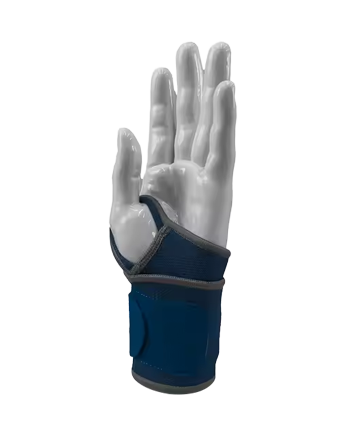
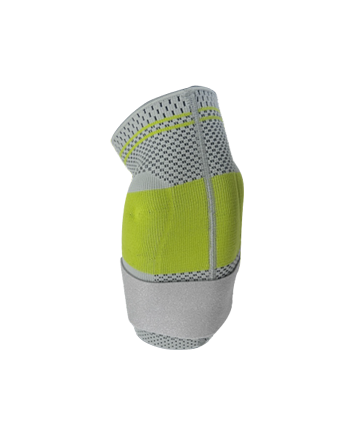
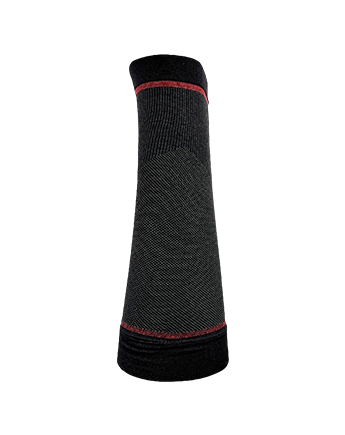
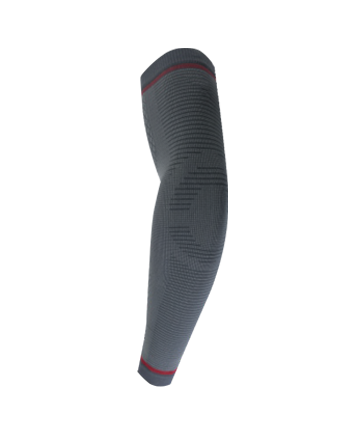
A Compression Wrist Support Sleeve usually takes a different structural approach compared to a more reinforced wrist product. Its sleeve-like build often creates one continuous area around the wrist, while other designs rely on separate wrapping sections or adjustable closures instead. Each of these structures creates a genuinely different relationship between coverage and movement.
The way a wrist support wraps around the body directly affects how easily the hand can change position throughout the day. A sleeve generally follows the natural shape of the wrist, while a wrap can be adjusted more precisely around one specific area. These construction choices shape both the feeling of support and how much freedom is left near the hand.
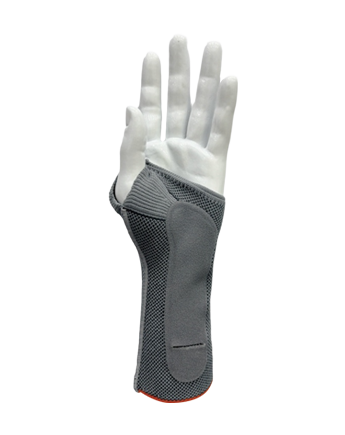
A wrap concentrating material tightly around the wrist tends to leave more open space around the palm — useful when the goal is keeping the hand relatively unrestricted. A structure extending across part of the palm, by contrast, creates a much stronger physical connection between wrist and hand, for better or worse depending on the task.
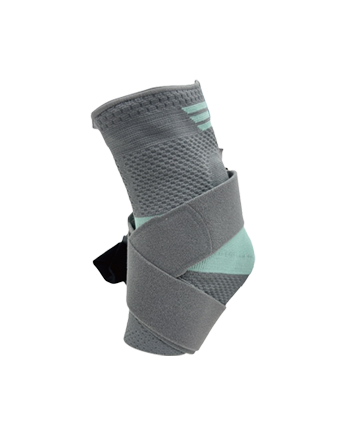
Wrap direction plays into this too. Some designs approach the wrist from one side and cross toward another point, while others form a more continuous band all the way around. These different arrangements change how the material behaves once the wrist actually bends or rotates during real use.
| Wrapping Style | Typical Effect on Movement |
|---|---|
| Sleeve construction | Continuous coverage, follows wrist shape |
| Cross-directional wrap | More adjustable, uneven pressure distribution |
| Continuous band | Steady support, less localized adjustment |
| Palm-extending wrap | Stronger wrist-hand connection, less palm freedom |
For manufacturers, the challenge isn't simply building a secure wrap. That structure also has to behave naturally as the wearer shifts hand position throughout a task. If the material gathers, slides, or presses somewhere unintended, the product ends up feeling uncomfortable even when the basic construction was sound to begin with.
The connection point between wrist support and hand is one of the more noticeable structural decisions in the entire design. A support ending near the wrist crease leaves the palm mostly open. One reaching further into the palm builds a much closer relationship between support and hand.
The palm stays active throughout the day, so its coverage needs real thought rather than an afterthought. The hand needs room to open, close, grip, and change direction without a support getting in the way. One that occupies too much of that area starts affecting how natural these everyday actions feel.
Thumb connections open up another design path entirely. A thumb opening or strap helps keep a support positioned correctly around the hand, but it also introduces a new contact point that has to work with the thumb's natural resting position rather than forcing it into something awkward.
The relationship between wrist and thumb becomes especially important for products meant to stay in place during active movement. A China Wrist Support manufacturer often ends up offering different construction styles depending on whether a product needs to cover only the wrist, extend toward the palm, or add that extra hand connection point.
Range of motion ties directly into product structure. The hand moves in several directions throughout an ordinary day, and the wrist shifts position constantly as fingers and palm handle different tasks. A support genuinely needs to account for these natural movements from the start rather than treating them as secondary concerns.
A shorter structure leaves more of the hand uncovered, which often allows greater freedom around palm and fingers. A broader structure adds more coverage but needs carefully shaped edges so movement doesn't end up feeling unnecessarily restricted the moment someone bends their wrist.
The edge of the support matters just as much as the main body sometimes. A straight edge behaves differently from a shaped edge once the wrist actually bends. Small differences in exactly where the material ends can change how the whole support sits against the hand during real movement, not just when standing still.
This is exactly why product development usually runs through several construction concepts before settling on a final design. The real goal is understanding how material, shape, closure, and hand connection behave together as one system. Looking at any single feature in isolation misses the actual picture.
A Heavy Duty Wrist Support usually calls for a different construction approach altogether, since the product is meant to deliver a more substantial feeling of support. That shift influences the amount of material used, the shape of the wrapping area, and how wrist and palm relate to each other structurally.
A more structured product often uses wider wrapping sections or added reinforcement around specific areas. Even so, the design still has to account for hand movement. A rigid-looking structure isn't necessarily practical if it interferes with ordinary hand positioning during actual work.
Balancing structure against flexibility becomes a genuinely important design question here. Manufacturers often separate the more supportive areas from sections that need to move freely with the hand, which creates a product that doesn't treat the entire wrist-and-hand area identically throughout.
Closure design matters even more in this category. An adjustable closure lets the support adapt to different users or preferences, while closure position shapes how the hand actually interacts with the whole product. A closure placed thoughtfully supports the overall structure without turning into an obstacle every time the hand moves.
Wrist support construction ties directly into manufacturing flexibility. Different markets often request different support areas, hand connections, closure styles, or material combinations, and manufacturers need to turn these requests into product structures that can actually be produced consistently at scale.
China Wrist Support suppliers work within a broad market where buyers look for genuinely different application styles. Some prefer sleeve designs; others need adjustable wraps or structures reaching toward the palm. This creates real demand for manufacturing systems capable of handling variation without losing control over consistency across batches.
Customization goes beyond color or surface appearance too. Buyers may request changes to the support area, hand connection, closure position, or overall shape — structural details that genuinely shape the final experience, which means they need consideration during development rather than treatment as minor finishing touches added at the end.
Manufacturers also benefit from designing related products around shared construction ideas. A product family might use similar basic structures while varying coverage area or hand connection according to different market needs — keeping development organized while still allowing meaningful differences between models in the same line.
Wholesale buyers usually need products serving several different customer groups at once. Their requirements often involve product variety, clear application differences, packaging needs, and reliable replacement availability. Structural design becomes part of that decision because buyers need a clear sense of how one support actually differs from another.
A Wholesale Wrist Support range can include sleeve-style products, adjustable wraps, palm-connected designs, and more structured options side by side. When those differences stay clear, distributors organize products around intended use instead of stocking several items that look nearly identical but behave quite differently.
| Buyer Need | Structural Detail That Matters |
|---|---|
| Open palm for gripping tasks | Wrist-only coverage, no palm extension |
| Stability during heavy tasks | Wider wrapping, reinforced sections |
| Secure positioning during motion | Thumb connection or strap |
| Adjustable fit across users | Closure placement and adjustability |
Product structure shapes purchasing communication too. A buyer asking for a support that leaves the palm open, covers part of the hand, or uses a thumb connection is giving a far more useful description than simply asking for something that "provides more support" without specifics.
For wholesalers, clear structural categories make inventory planning noticeably easier. Products with different coverage areas and connection styles can be separated by intended market, letting distributors build a range around actual usage preferences rather than relying on visual differences alone.
The relationship between support and movement sits at the center of wrist support design now. Consumers want a product that stays in place through the day, but they also expect the hand to stay practical for ordinary tasks throughout that same day. That combination means manufacturers can't focus on coverage alone and call it finished.
Wrist shape, palm connection, thumb opening, edge position, and closure all feed into the final experience together. When these elements get considered as one connected system, a product ends up creating a far more natural relationship between wrist and hand rather than fighting against it.
This approach also gives manufacturers more paths for developing products across different user groups. A Compression Wrist Support Sleeve can focus on a close-fitting structure, while a Heavy Duty Wrist Support leans into more substantial construction instead. A Wholesale Wrist Support range then brings several of these structural approaches together to cover different market needs at once.
The industry is shifting toward more deliberate construction rather than leaning on one basic wrist wrap for every situation. Support area, wrapping direction, hand connection, and freedom of movement are becoming the real points that distinguish products and organize product families going forward.
As manufacturers keep developing wrist support products, these construction details shape both user experience and supply-chain decisions at the same time. How a product meets the hand affects movement day to day, while how its structure gets organized affects manufacturing, customization, distribution, and replacement planning behind the scenes. That combination makes wrist support construction a genuinely important part of product development across the wider market.
Steriger is a national high-tech enterprise specializing in the R&D and production of high-quality sports supports, medical braces, and sports compression socks.
Copyright © Zhejiang Steriger Sports Medicine Technology Co., Ltd.
The information provided on this website is intended for use only in countries and jurisdictions outside of the People's Republic of China.

Approval No: 浙金药监械生产备20200039号

 English
 Español
 Deutsch
 عربى
عربى Français