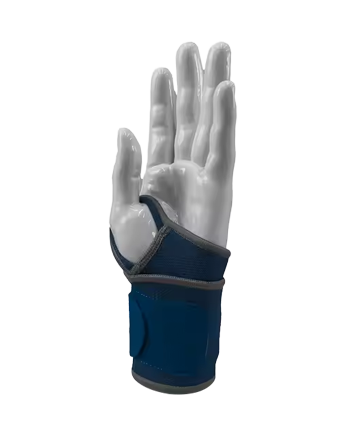
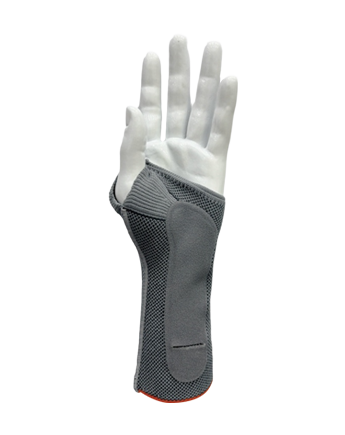
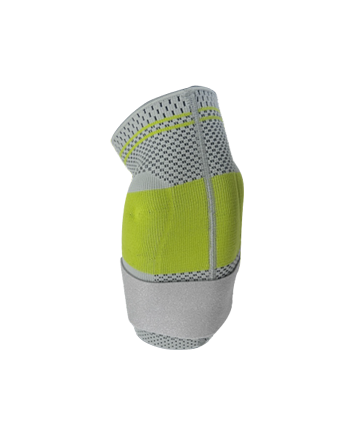
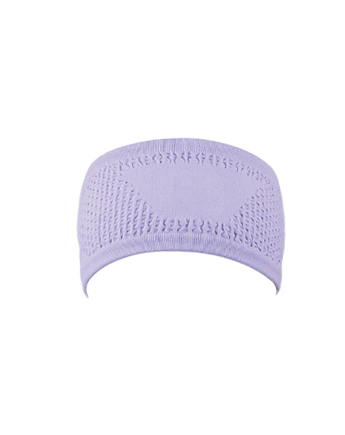
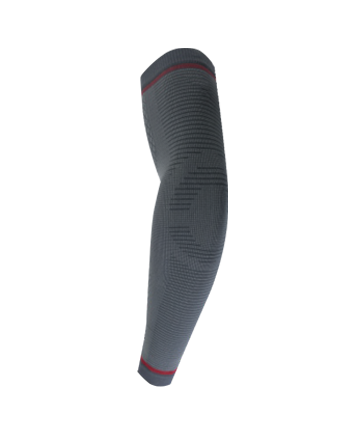
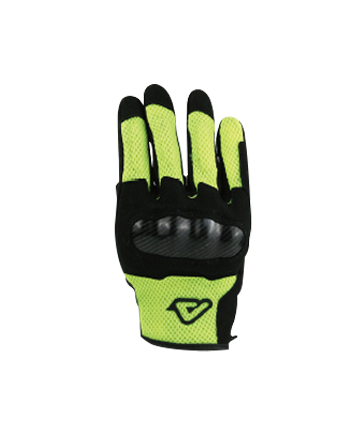
Sporting equipment rarely works as a collection of completely separate items sitting alone in a bag. A player may wear wrist support while using a racket, gloves, or protective gear all at once. Someone doing strength training may combine wrist support with lifting straps, dumbbells, resistance equipment, or training gloves depending on the session. Outdoor activities can create yet another combination of clothing, gloves, poles, and other gear layered together.
This makes equipment compatibility a genuinely important part of wrist support design that's easy to overlook. A Heavy Duty Wrist Support needs to fit into an existing setup without making the rest of the equipment difficult to use in practice. The support itself may provide a secure fit around the wrist on its own, but its practical value also depends heavily on how it interacts with grips, gloves, straps, sleeves, and other sporting accessories worn alongside it.
The idea isn't making one wrist support suitable for every activity in exactly the same way. Different equipment combinations create genuinely different space, movement, and handling needs. Understanding those relationships can help users choose suitable gear, and it can help manufacturers develop products for broader sporting applications rather than one narrow use case.
A wrist support is rarely used by itself during actual sports activity. The hand may already be holding a piece of equipment, while another accessory covers part of the wrist or forearm at the same time. Adding another layer changes the available space and can affect how the user grips or moves the equipment in ways that aren't obvious until they're actually training.
For this reason, fit should get considered as part of the complete setup, rather than as an isolated product feature judged on its own. A support that feels comfortable on a bare wrist may feel genuinely different once worn under a glove or beside another strap pressing against it.
Several equipment relationships are worth working through carefully.
| Equipment Combination | Main Fit Consideration |
|---|---|
| Wrist support + gloves | Available space around the wrist |
| Wrist support + racket | Grip movement and hand position |
| Wrist support + lifting straps | Strap placement and adjustment |
| Wrist support + outdoor gloves | Layering and wrist coverage |
| Wrist support + protective gear | Clearance between accessories |
These combinations don't necessarily require completely different products built from scratch. They show why shape, fastening position, material thickness, and flexibility can influence how a support fits into an existing equipment system already in use.
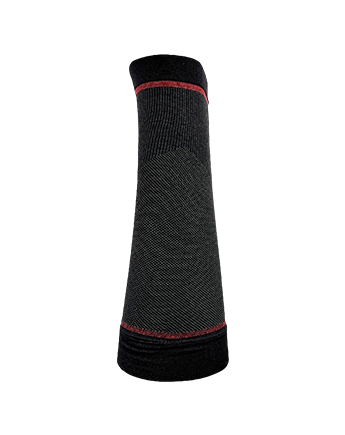
A Compression Wrist Support Sleeve, for example, may get worn as one layer within a larger setup involving several other pieces. Its relationship with the glove, sleeve, or other accessory can matter just as much as the support's fit against bare skin alone.
Strength training creates several equipment combinations around the hands and wrists at once, often changing exercise to exercise. A user may combine support with training gloves, lifting straps, dumbbells, barbells, resistance bands, or other training accessories depending entirely on what's being trained that day.
The challenge is keeping hand position natural while several items get used together without one interfering with another. If a wrist support occupies the same area as a glove cuff or lifting strap, the combined setup may feel genuinely crowded. A bulky fastening area can also interfere with equipment that needs to sit close to the wrist during a lift.
A practical combination might look something like this, moving outward from the body: wrist support sits closest to the skin, a training glove layers over that, and the equipment grip comes last in the hand itself.
Each part has a different role in that chain. The wrist support sits close to the body, the glove creates another contact layer over it, and the training equipment gets held by the hand on top of everything else.
This order can genuinely influence product design decisions. A support intended to work under gloves may need a relatively smooth outer surface, so the two layers don't catch against each other during repeated movement through a set.
The fastening area also deserves real attention here. If a strap gets placed over the same region, users need enough room to adjust both items without constantly removing one just to reposition the other mid-workout.
For manufacturers, this creates a broader design question worth sitting with. Instead of asking only how the support performs by itself in isolation, they can examine how it behaves once paired with the equipment that customers already use regularly.
Racket sports and ball sports often involve equipment held directly in the hand throughout play. Rackets, bats, sticks, and similar gear create a genuinely strong connection between the wrist and the handle that support has to work around, not against.
When wrist support gets added, the hand still needs to move naturally around that handle without hesitation. The support shouldn't create unnecessary bulk right where the hand needs to close around the grip during a swing.
A Heavy Duty Wrist Support may therefore need to work with different grip arrangements depending on the sport. The relevant issue isn't simply the support itself, but the space between the wrist, hand, equipment handle, and other accessories all competing for the same real estate.
For example, a player may wear a wrist support beneath a sports glove during a match. The glove may already have a close-fitting cuff built in, so the support's edge and fastening area need to genuinely coexist with that cuff without bunching up.
Ball sports can create similar combinations worth thinking through. A player might use protective gloves, wrist support, sleeves, or other equipment during training sessions. Each layer occupies part of the same general area, so product designers need to consider how the pieces actually overlap once worn together.
| Gear Setup | Possible Design Focus |
|---|---|
| Racket + wrist support | Grip and wrist movement |
| Bat + wrist support | Handle clearance |
| Sports glove + wrist support | Layer thickness |
| Protective sleeve + wrist support | Overlap and positioning |
| Ball-handling gear + support | Hand freedom |
The purpose isn't making the support control how the athlete holds the equipment during play. Instead, the support should fit into the existing hand position without creating unnecessary interference that throws off technique.
Outdoor activities often involve more clothing layers than indoor training because changing weather can affect what users wear. Gloves, jackets, sleeves, and other garments around the wrist and forearm may become part of the setup, even though they are not usually needed during a gym session.
Additional gear can change the available space considerably depending on the season. A wrist support worn under a thin sports glove may have a genuinely different fit from one worn beneath a thicker outdoor glove or sleeve meant for cold weather.
Cycling provides a useful example of this equipment interaction in practice. The hand remains in contact with a handlebar for an extended stretch of a ride, while gloves and clothing can cover part of the wrist at the same time. The support therefore needs to fit without creating an uncomfortable overlap between the hand and handlebar area during long rides.
Hiking and other outdoor activities can involve another combination entirely. A user may wear a wrist support together with gloves and use poles or other handheld equipment across uneven terrain. The hand repeatedly changes position throughout a hike, so the combined gear needs to allow normal adjustment without a fuss.
Outdoor equipment can also get removed or added partway through a trip as conditions shift. This means the support should remain practical when the user changes layers midway, not just at the start.
A manufacturer considering outdoor applications can therefore examine several situations at once, rather than designing around one fixed setup that only works in one climate. Layering, grip access, fastening, and clothing overlap all become part of the product development discussion from the start.
Gloves are a common accessory worn with wrist support in everyday activities. They can affect how the support fits and stays in place because both items sit around the same area of the wrist.
The order in which the products get worn can also matter more than people expect. Some users may prefer the support beneath the glove, while another design may allow the glove and support to overlap a different way entirely. Product instructions should get followed wherever a manufacturer specifies a particular arrangement, rather than guessed at.
A useful check involves several simple points worth running through before heading out.
These questions help users evaluate the complete equipment arrangement as a whole, rather than judging each item separately and hoping it works out together.
The same principle can help buyers comparing a China Wrist Support with products from other supply sources on the market. The important consideration isn't the country of production by itself. Buyers can instead examine the support's construction, sizing options, fastening arrangement, material feel, and suitability for the equipment combinations their customers actually expect to use it with.
Training straps, bands, and similar accessories can create another layer around the wrist during a workout. These products may need tightening, repositioning, or releasing repeatedly throughout an exercise session, sometimes several times per set.
When two fastening systems occupy nearby areas, adjustment becomes particularly important to get right. A support that's difficult to reposition may become genuinely inconvenient when another strap has to be changed repeatedly mid-session.
The relationship between the two products can be considered in terms of placement on the wrist.
| Accessory | Interaction With Wrist Support |
|---|---|
| Lifting strap | May overlap the wrist area |
| Resistance band | Can move across nearby surfaces |
| Training glove | Adds another layer around the hand |
| Grip accessory | Changes hand contact |
| Protective wrap | May share the same space |
A Compression Wrist Support Sleeve can offer a genuinely different type of fit from a wrap-style support, because its sleeve form may avoid some fastening overlap altogether. However, the suitability still depends heavily on the equipment being used and the user's preferred movement pattern during training.
This is where product choice becomes more personal and closely tied to individual use. Someone who changes training accessories often may value quick adjustment during an activity, while someone who uses a fixed equipment setup may pay more attention to how the support feels and stays in place during that specific activity.
Manufacturers can also consider these combinations during product testing rather than skipping straight to launch. Testing the support only on an uncovered wrist doesn't show how it actually behaves once combined with the accessories commonly used in the target sport.
Layering changes both the physical space and the way users interact with their equipment throughout a session. A support may sit beneath clothing, beside a glove, or between the wrist and another fastening system pressing in from a different direction.
This means a Heavy Duty Wrist Support needs to balance its own construction with the surrounding equipment it'll be worn alongside. A thicker support may occupy more space than a glove cuff can accommodate comfortably, while a softer structure may fit a lot more easily beneath another layer without adding bulk.
The edge shape can also influence layering considerably. A rough or bulky edge may become noticeable once covered by another accessory rubbing against it. A smoother transition can make the combined setup a lot easier to manage during repeated movement through a workout or match.
Fastening placement is another design consideration worth mapping out early. If the fastening area sits directly beneath a glove cuff, users may have real difficulty adjusting it without removing the glove entirely first.
Manufacturers can map these relationships during development by following a few common use paths: support worn under a glove connecting with a grip, support worn under a strap interacting with training equipment, and support worn under outdoor clothing used alongside handheld equipment such as poles.
Each arrangement presents a slightly different set of requirements worth checking separately.
This doesn't mean every product needs a separate version built for every combination imaginable. Instead, equipment layering can help designers understand where flexibility, adjustment, and clearance are particularly important to prioritize during development.
For buyers purchasing a Wholesale Wrist Support, equipment compatibility can genuinely be part of the product evaluation process from the start, not an afterthought. A support may eventually get sold alongside gloves, training accessories, outdoor gear, or other sporting products, so its relationship with those items can influence customer experience directly.
Buyers can consider the target equipment combinations before placing an order with a supplier. If the intended market uses gloves frequently, the support should get examined with gloves on hand, rather than evaluated only on its own in a vacuum.
The same applies to strength training accessories sold in the same catalog. If customers commonly use straps or other wrist-area equipment, the fastening design and outer surface deserve a lot closer attention during review.
A practical purchasing review can include several checks worth running through systematically.
These considerations can help buyers connect the product with its intended sporting environment more realistically than specs alone would suggest.
For a supplier, understanding these combinations can also support better product communication with buyers down the line. Instead of describing wrist support only by its standalone features listed on a spec sheet, product information can explain which types of sporting gear it's designed to work alongside and how users should approach layered use in practice.
The result is a genuinely more realistic view of wrist support as a category. It becomes one part of a larger equipment setup, where fit depends on the relationship between several products working together, rather than on one item judged entirely alone.
Steriger is a national high-tech enterprise specializing in the R&D and production of high-quality sports supports, medical braces, and sports compression socks.
Copyright © Zhejiang Steriger Sports Medicine Technology Co., Ltd.
The information provided on this website is intended for use only in countries and jurisdictions outside of the People's Republic of China.

Approval No: 浙金药监械生产备20200039号

 English
 Español
 Deutsch
 عربى
عربى Français