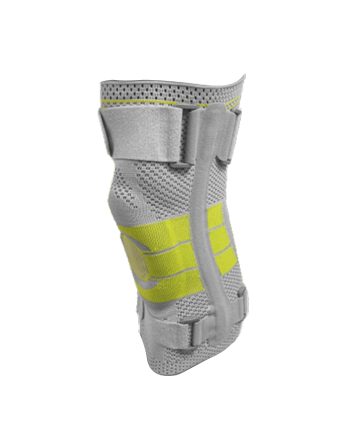
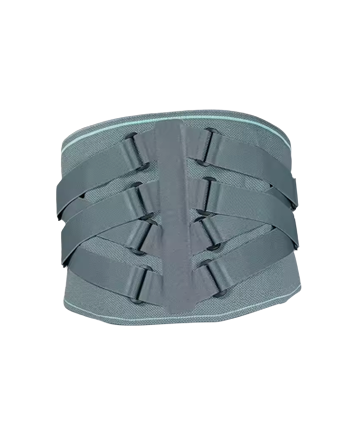
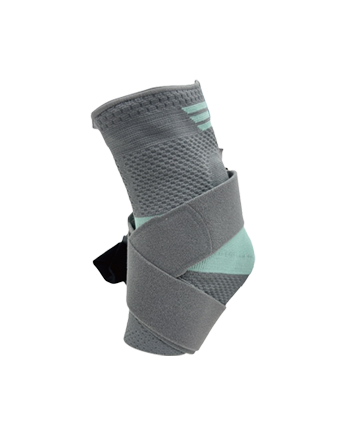
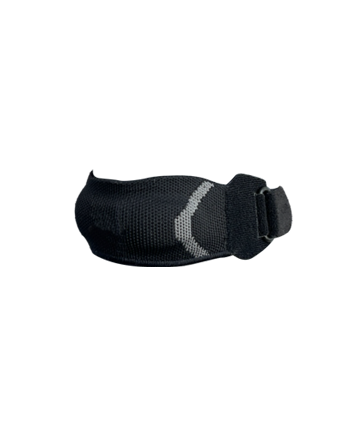
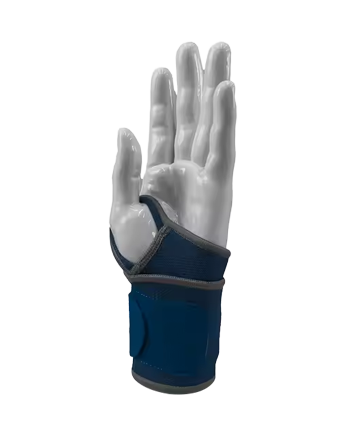
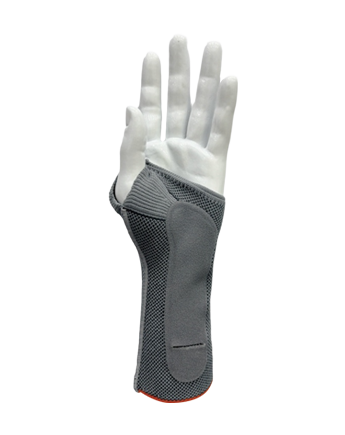
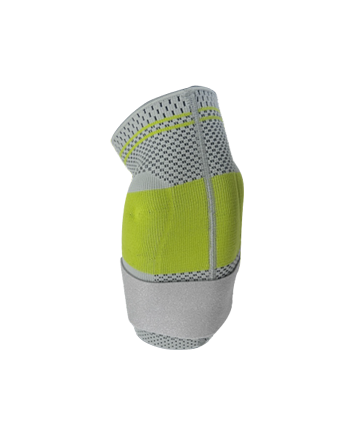
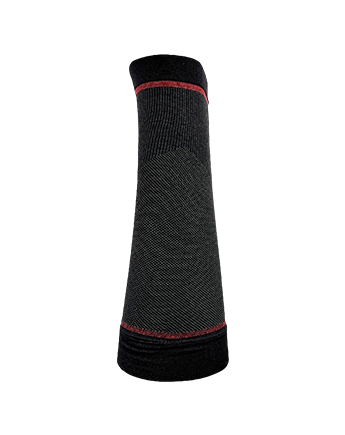
Knee discomfort has become a common concern for people who stay active, work on their feet, or deal with strain from daily movement. As more people look for practical ways to manage pain without interrupting routine life, joint support products have become part of the wider conversation around mobility and injury prevention. Among the options often discussed by health-conscious consumers and active adults, a Knee Brace is frequently mentioned as a simple tool that may help support the joint during movement.
The appeal is easy to understand. Knee pain can affect walking, standing, exercise, and even basic tasks such as climbing stairs or carrying items. When the joint feels unstable or irritated, people often begin adjusting the way they move. That change can place added stress on other areas of the body. Because of that, support for the knee is not only about comfort. It is also about helping people maintain a more balanced and controlled way of moving through the day.
In recent years, the idea of using a supportive brace has shifted from being seen as something only athletes need. More people now view it as a practical aid for recovery, activity support, and day-to-day joint protection. The interest is not limited to sports. It also includes people who want to stay mobile while managing mild discomfort or protecting a joint that feels less stable than usual.
The knee carries a large share of body movement during walking, turning, bending, and standing. When it begins to hurt, the effect can be felt quickly. A person may notice stiffness, sensitivity, swelling, or a reduced sense of control in the joint. In some cases, the problem is temporary. In others, it may come from a strain, irritation, or a previous injury that still affects how the knee functions.
Supportive gear can help by reducing the sense of strain during movement. A brace does not replace healing, rest, or professional care when those are needed, but it may make the joint feel more stable. That sense of support can be useful during exercise, work, or daily activity, especially when the knee needs help handling repeated motion.
Common reasons people look for added knee support
One of the reasons people use a brace is the gentle pressure it may create around the knee. This compression can help the joint feel more secure and may reduce the sense of looseness that sometimes appears when the knee is irritated. For many users, the feeling of support alone can make a noticeable difference during the day.
Compression may also help with swelling control after activity. When the joint is irritated, small changes in pressure and movement can make the knee feel more sensitive. A supportive wrap around the area may ease that feeling and create a more controlled environment for movement. While the effect can vary from person to person, the goal is usually the same: to help the knee feel more manageable.
This is especially relevant for people who do not want to stop moving completely. They may need a tool that supports activity while keeping the joint from feeling overworked. In those cases, the brace becomes part of a broader approach to comfort and injury awareness.
Stability matters because an unstable knee can change how the rest of the body moves. People sometimes shift their weight, shorten their stride, or avoid certain motions when the joint feels uncertain. Those adjustments may protect the knee in the short term, but they can also create new tension elsewhere.
That is why many people turn to support during sports, workouts, or physically demanding routines. A brace can serve as a reminder to move with more control. It may also help limit side-to-side motion or sudden stress that can worsen an existing issue. For active users, that added sense of structure can improve confidence as well as comfort.
Movement situations where support may be useful
Pain management is rarely about one single solution. It often involves several adjustments that work together. Rest, movement habits, stretching, strength building, and support tools can all play a role. A brace is one of the options that may help reduce strain while the person continues normal activity.
People dealing with knee pain often want something practical. They may not need a major intervention for every discomfort, but they do want to avoid making the issue worse. That is where a supportive device can be helpful. It may allow a person to remain active in a more controlled way instead of pushing through pain without any protection.
A well-used support tool can also serve as a reminder to pay attention to how the knee feels during movement. If the joint remains painful or unstable even with support, that may be a sign that the issue needs more attention. In that sense, the brace can become part of an early response strategy rather than a final answer.
| Situation | Common Concern | Possible Support Role |
|---|---|---|
| Mild discomfort during daily movement | Joint feels irritated or tired | May help reduce strain |
| Recovery after a strain | Knee may feel weak or sensitive | May support controlled motion |
| Sports or active routines | Repeated pressure on the joint | May improve stability and confidence |
| Swelling after use | Joint feels tight or heavy | May provide compression and comfort |
Injury prevention is another reason the topic continues to get attention. People do not always think about support until pain appears, but a brace may also be used when the goal is to reduce stress before a problem gets worse. That can matter for people returning to activity after a break, those with a history of knee trouble, or anyone who feels the joint is less dependable than it used to be.
Prevention is not only about avoiding one specific injury. It is also about keeping movement consistent, controlled, and comfortable enough to continue daily life. When the knee is supported, a person may feel more able to stay active without putting the joint under extra pressure. That can make a meaningful difference over time.
Prevention-focused habits often paired with support
Modern consumers often look for tools that fit into a regular routine without creating extra complexity. A knee support product can meet that expectation because it is simple, familiar, and easy to integrate into daily life. It may not solve every knee issue, but it can be a useful part of a broader comfort plan.
The wider public conversation around movement health has also changed. People are more aware that small issues can become larger ones if ignored. As a result, they are more open to using supportive items earlier rather than waiting until discomfort becomes a major problem. This shift has helped position the Knee Brace as a practical option for people who want more control over how they move and how their joints feel.
Knee pain can affect many parts of life, from work and exercise to simple household tasks. Because of that, support tools continue to play a useful role in how people manage discomfort and protect their joints. A brace may help reduce strain, add stability, and support more confident movement during activity.
For some, the value lies in comfort. For others, it is about staying active with less worry about aggravating an existing problem. In both cases, the goal is similar: to make movement feel more manageable and less stressful on the joint.
As more people look for practical ways to support mobility, the role of joint support remains relevant in both recovery and prevention. For readers seeking a natural next step in exploring supportive wellness products, steriger can be part of that conversation.
Steriger is a national high-tech enterprise specializing in the R&D and production of high-quality sports supports, medical braces, and sports compression socks.
Copyright © Zhejiang Steriger Sports Medicine Technology Co., Ltd.
The information provided on this website is intended for use only in countries and jurisdictions outside of the People's Republic of China.

Approval No: 浙金药监械生产备20200039号

 English
 Español
 Deutsch
 عربى
عربى Français