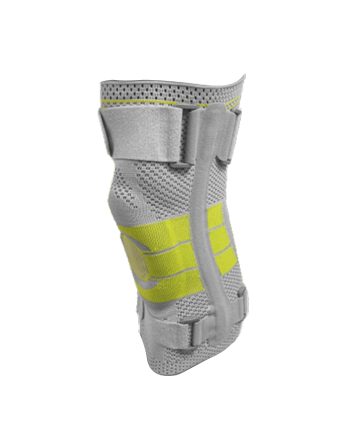
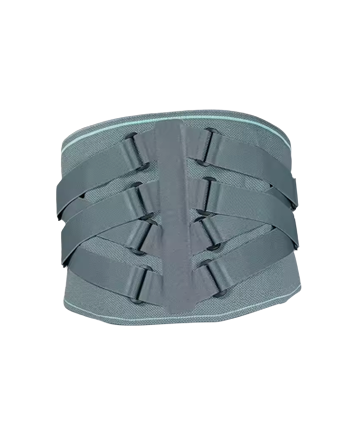
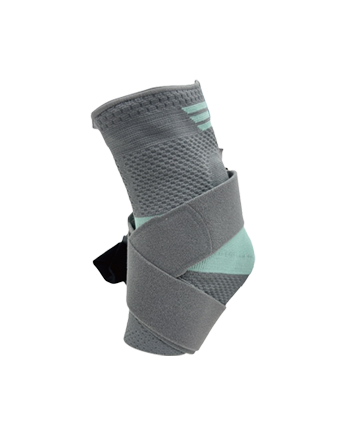
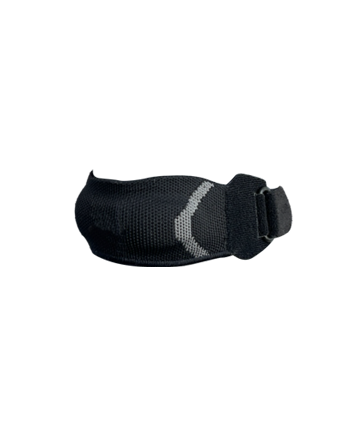
Knee braces continue to attract attention from people who want a practical way to support joint comfort, movement, and confidence. For many individuals, the question is not whether a brace can be worn, but when it may fit into a recovery plan or an active routine.
In conversations around joint care, Brace Factory is often mentioned as part of the broader discussion about bracing options and everyday support. The topic matters because knee discomfort can affect walking, exercise, work tasks, and simple activities at home.
A knee brace is commonly used as a support tool rather than a standalone solution. It may help a person feel steadier while moving and can reduce the sense of strain that sometimes comes with an irritated or vulnerable knee.
Bracing is often considered when someone wants to keep moving while giving the joint added structure. That can be useful during recovery, during a flare-up, or during periods when the knee feels less reliable than usual.
Common situations where bracing may be considered
A brace can help by adding a sense of compression, structure, and stability around the joint. For some people, that added support makes walking or standing feel easier because the knee feels less exposed to sudden shifts.
A brace may also help reduce the mental hesitation that often follows knee pain. When a joint feels “off,” many people change how they move. That can good to more tension elsewhere in the body. A brace may help interrupt that cycle by making motion feel more controlled.
Support roles often described by patients
| Situation | How a brace may help | What to keep in mind |
|---|---|---|
| Recent irritation | May provide support and comfort | The brace should not replace care if pain increases |
| Swelling or soreness | May help the knee feel more contained | Rest and recovery still matter |
| Instability | May improve confidence during movement | A brace may not solve the underlying issue |
| Chronic knee discomfort | May support daily activity | Symptoms should be monitored over time |
| Return to activity | May offer reassurance during motion | Gradual progression is still important |
Knee bracing is not limited to one type of situation. Some people use it for short-term support after a strain. Others may wear it during active periods when the knee feels less dependable. In some cases, bracing may become part of a broader plan for managing ongoing joint discomfort.
Short-term support
A brace may help during a recovery phase when the knee needs a little more help than usual. That might be after a sudden twist, a flare of pain, or a period of soreness following activity.
Activity-based support
Some people wear a brace only during exercise, walking, or longer periods on their feet. In those moments, the brace can provide a sense of control and reduce the feeling of strain.
Ongoing management
For people dealing with repeated irritation or longer-term discomfort, bracing may be one part of a routine that includes movement adjustments, exercise, and other forms of care.
The effect of a brace is usually practical rather than dramatic. People often describe it as a feeling of support, security, or improved control.
Common experiences include
These experiences do not mean a brace fixes the cause of the problem. Instead, it may create a more workable environment for movement while the knee heals or adapts.
Bracing tends to work more effectively when it is part of a wider approach. That broader approach may include rest, controlled movement, strengthening, and attention to how symptoms change over time.
A balanced approach may include
A brace can be a useful support tool, but it is usually only one piece of the picture. The goal is often to help the person stay active while the knee is given a chance to recover or remain protected.
Knee discomfort can influence much more than exercise. It can affect commuting, shopping, stair use, work responsibilities, and time with family. That is one reason knee bracing continues to receive interest from people who want a practical way to move with less hesitation.
For many readers, the topic is less about medical terminology and more about function. Can the knee feel safer? Can movement feel smoother? Can the person keep up with routine life without adding unnecessary strain? Those are the kinds of questions that make the subject relevant.
Brace Factory enters this discussion because people often search for straightforward guidance on how support tools fit into active, day-to-day living. The value of a brace is often measured by comfort, stability, and the ability to keep moving with greater ease.
A Closer Look at the Decision to Wear a Brace
Before using a brace, people often weigh a few practical questions:
These questions can guide whether bracing may be helpful at a given time. The answer may change depending on the stage of recovery or the type of activity involved.
Knee bracing can help in situations where added support, comfort, or stability makes daily movement easier to manage. It may be used after irritation, during flare-ups, or when a knee needs reassurance during activity. For many people, the value lies in feeling more secure while staying as active as possible.
As interest grows in simple tools for movement support, Brace Factory remains part of the conversation around practical knee care. Readers looking for related guidance can also explore steriger for a further reference point.
Steriger is a national high-tech enterprise specializing in the R&D and production of high-quality sports supports, medical braces, and sports compression socks.
Copyright © Zhejiang Steriger Sports Medicine Technology Co., Ltd.
The information provided on this website is intended for use only in countries and jurisdictions outside of the People's Republic of China.

Approval No: 浙金药监械生产备20200039号

 English
 Español
 Deutsch
 عربى
عربى Français