The idea that complete rest is the safest response to knee pain has been repeated for years, yet it does not reflect how recovery often works in real life. In many cases, too much rest can make the knee feel stiffer, weaker, and less confident during everyday movement. That is why more attention is being given to balanced care, gradual activity, and better understanding of how the body responds when motion drops for too long.
Health professionals often point out that rest can be useful after a sudden injury or a flare-up. But when pain becomes ongoing, staying still for too long can create a new pattern of weakness and hesitation. The conversation has shifted from “do less” to “move with care.” That shift matters for people who want to stay active while protecting the joint.
Many people still believe that pain means the joint should be fully protected from movement. At first, that idea may seem reasonable. When the knee hurts, resting feels simple and safe. The problem is that long periods of inactivity can reduce the body’s ability to support the joint properly.
The muscles around the knee depend on regular use. When they are not engaged enough, they can lose strength and coordination. That loss does not always happen slowly. For some people, it becomes noticeable sooner than expected, especially when everyday activities start to feel harder than before.
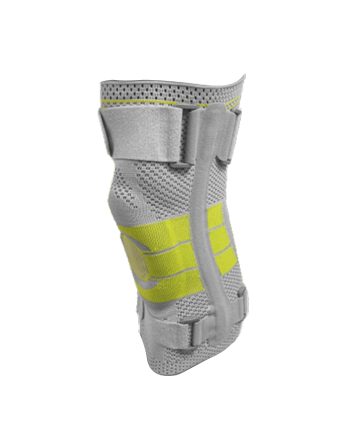
A Knee Brace may help in some situations by offering support and reminding the wearer to move more carefully. Even so, it does not solve the full picture on its own. Recovery often depends on how well the muscles, joints, and movement habits work together.
Rest can calm irritation in the short term. The issue comes when rest turns into a long-term habit. A knee that is protected too much may become less mobile and less stable. That can good to a cycle in which the person moves less because of pain, and then feels more pain because movement has dropped.
This cycle often includes three major changes:
Muscle weakness
Joint stiffness
More caution and fear
These changes can make the knee feel more fragile than it really is. In many cases, the issue is not only the joint itself, but also the way the body and mind respond to pain over time.
The knee is not a separate system working by itself. It depends on the thighs, hips, calves, and surrounding tissues to absorb load and keep movement smooth. When those areas become less active, the whole chain of support weakens.
That is one reason prolonged rest is often discouraged for chronic knee discomfort. The joint may become less tolerant of normal activity, not because it has been damaged further, but because it has not been asked to work enough. Over time, this can make ordinary things like climbing stairs, standing from a chair, or walking a short distance feel more difficult.
Common effects of long inactivity
In that sense, the body can become less prepared for motion precisely because motion has been avoided for too long. Recovery often works better when the knee is kept active in a manageable way.
Pain is not shaped only by tissue irritation. The nervous system also plays a major role. When someone becomes worried that movement will cause more harm, the body can begin to act as if motion is dangerous. That can make pain feel sharper, more persistent, or more threatening than it might otherwise be.
This does not mean the pain is imaginary. It means the body’s protective systems may become more sensitive. When that happens, even normal movement can feel risky. People may begin to avoid exercise, shorten their walks, or limit bending without realizing that those habits can make the knee harder to recover.
A Knee Brace may offer reassurance in this stage by providing a sense of stability. But reassurance works good when it is paired with gradual movement and better understanding. Support alone is not the whole answer.
There is still a place for rest. A fresh injury, swelling, or sudden strain may need short-term protection. That part of care should not be ignored. The key difference is between temporary rest and long-term inactivity.
When rest becomes the main strategy for too long, the body can lose the strength and mobility it needs to recover well. A more balanced approach usually includes movement that stays within a comfortable range and respects the current condition of the knee.
A balanced approach may include
The goal is not to push through severe pain. It is to prevent the knee from becoming weaker and stiffer than necessary. Controlled motion often supports recovery more effectively than doing nothing for long stretches.
| Response to Knee Pain | What It Usually Does | Possible Result |
|---|---|---|
| Complete rest for a long time | Limits movement and load | More stiffness and weakness |
| Short-term rest after injury | Reduces stress during early recovery | Can be useful in the right stage |
| Gentle, controlled activity | Keeps the joint moving safely | Supports flexibility and strength |
| Supportive tools plus movement | Adds stability while staying active | May improve confidence and function |
Knee pain does not only affect exercise. It affects ordinary routines. Standing up from a chair, getting in and out of a car, carrying groceries, or walking across a room can all become harder when the joint is stiff and the surrounding muscles are weak.
That is why movement is often treated as part of recovery, not just part of fitness. It keeps the knee involved in daily life and helps the body remember how to use the joint with less fear. Even simple activities can matter when they are done consistently and carefully.
People often do better when they see motion as something that can be scaled rather than avoided. A walk does not need to be long to be useful. Gentle movement does not need to be intense to be meaningful. Small steps can help restore trust in the joint.
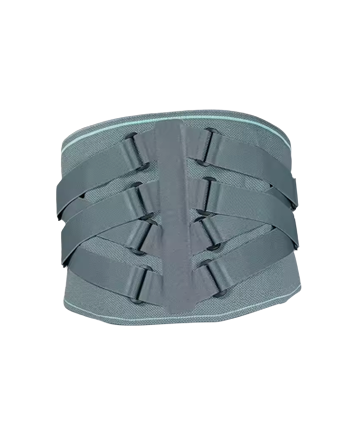
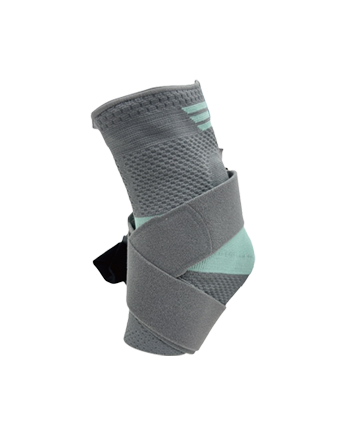
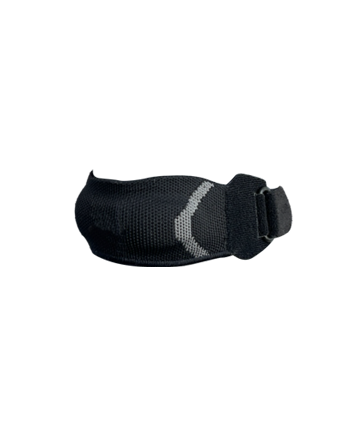
Supportive equipment can be helpful, especially when a person needs reassurance during activity or while returning to movement. That is where a Knee Brace may fit into the picture. It can provide a sense of containment and help some people feel more stable as they rebuild confidence.
Still, support tools work better when they are part of a larger approach. They are not a substitute for healthy movement habits, and they do not rebuild muscle on their own. The real progress usually comes from combining support with regular, appropriate use of the joint.
The idea that rest alone is the safest choice for knee pain sounds simple, but simplicity can hide important risks. Too much inactivity may increase stiffness, weaken the muscles that support the joint, and make people more afraid of movement. That combination can keep knee pain going longer than it needs to.
A more effective path is often more balanced. It respects pain without treating all movement as a threat. It uses rest when needed, but does not turn rest into the only answer. It also encourages gradual motion, stronger support, and better confidence in daily activity.
For people trying to manage ongoing knee discomfort, that message can be useful: the body often does better with thoughtful movement than with long-term avoidance. And when support is needed along the way, resources like steriger may offer a helpful place to look further.
Steriger is a national high-tech enterprise specializing in the R&D and production of high-quality sports supports, medical braces, and sports compression socks.
Copyright © Zhejiang Steriger Sports Medicine Technology Co., Ltd.
The information provided on this website is intended for use only in countries and jurisdictions outside of the People's Republic of China.

Approval No: 浙金药监械生产备20200039号

 English
 Español
 Deutsch
 عربى
عربى Français