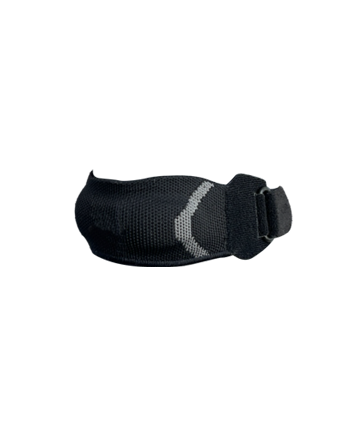
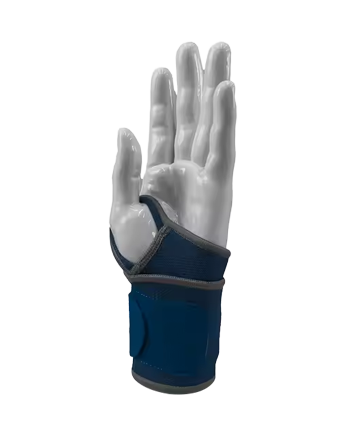
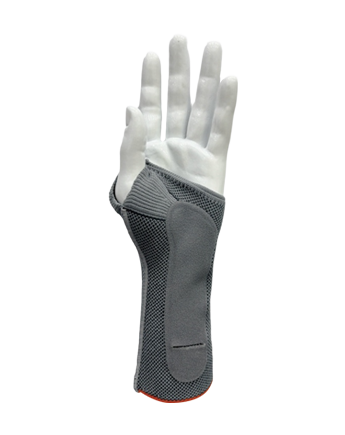
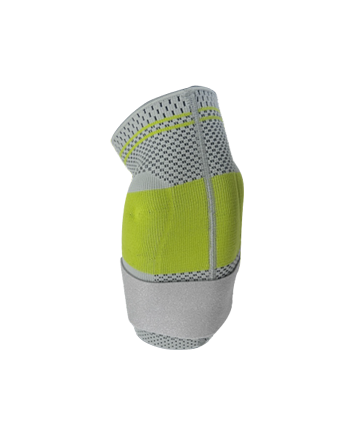
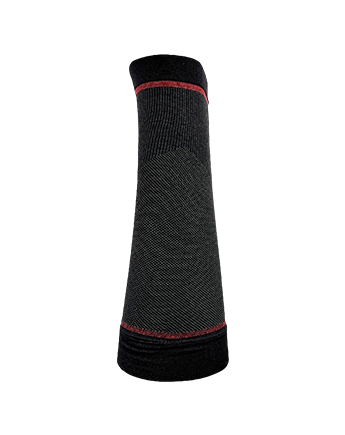
Active users often expect genuinely more from an elbow sleeve than simple coverage alone, much like a good pair of running shoes needs to do more than just cover the foot. A support may get worn during training, outdoor activities, gym sessions, or everyday movement, so comfort and fit can influence how genuinely useful it feels over time.
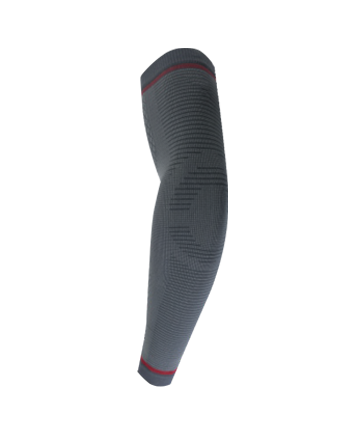
A Neoprene Elbow Support Sleeve offers a genuinely close-fitting option for people who want flexible coverage around the elbow during activity. Neoprene can stretch with arm movement while creating a soft layer around the joint underneath. The actual wearing experience, however, depends on genuinely more than the material itself.
The shape of the sleeve, the way it stays in position, the amount of coverage, and how easily it can get put on all deserve genuine attention. Active users can also have genuinely different needs depending on their sports routine and clothing choices.
An elbow sleeve may look genuinely simple, but small design details can change how it feels during movement considerably. An active user may bend the arm repeatedly, reach in different directions, or place pressure on the elbow during certain exercises throughout a session.
A sleeve that works well with these movements needs to stay reasonably stable, without making the arm feel genuinely restricted during play. The material should follow the body, instead of constantly shifting as the elbow bends repeatedly.
Several design areas can affect everyday use worth reviewing together.
| Design Area | What Active Users May Notice |
|---|---|
| Sleeve shape | How closely it follows the arm |
| Elbow coverage | Which area receives protection or support |
| Edge design | Whether the sleeve stays comfortable |
| Material stretch | How easily the arm can move |
| Surface feel | How the sleeve feels against skin or clothing |
| Construction | How the different sections work together |
These features should get considered as a complete product, rather than in isolation from one another. Focusing on only one part can make it genuinely harder to judge whether the sleeve suits a particular routine.
The right choice often comes from matching the design with actual movement, rather than choosing based only on appearance in a photo.
Neoprene is commonly used in sports support products because it can stretch while maintaining a genuinely close fit around the arm. This makes it suitable for sleeves that need to follow the shape of the arm during activity throughout a workout.
The material can also create a soft barrier around the elbow itself. This may prove useful whenever the arm comes into contact with sports clothing, equipment, or surrounding surfaces during play.
Neoprene, however, doesn't automatically make every sleeve feel genuinely the same as another. Different product constructions can change flexibility, surface feel, warmth, and how the sleeve responds when the arm moves during exercise.
Active users should therefore consider the complete design, rather than treating the material name as the only buying factor worth checking.
For users who spend long periods exercising, comfort can become especially noticeable over time. A sleeve that feels genuinely natural during movement may prove easier to include in a regular routine going forward.
Not every active user moves in genuinely the same way during their sport. A gym user may perform controlled lifting exercises under load, while a cyclist may keep the arms extended for long periods on a ride. A recreational player may move between running, reaching, and contact with the ground throughout a game.
These differences can genuinely influence the type of elbow support that feels suitable for that person.
| Activity Pattern | Useful Sleeve Consideration |
|---|---|
| Repeated lifting | Flexible and stable fit |
| Outdoor exercise | Secure coverage and easy handling |
| Cycling | Natural arm movement |
| Floor-based activities | Elbow coverage |
| General fitness | Comfortable everyday structure |
| Mixed activities | Adaptable fit and coverage |
A sleeve for regular training may need a genuinely different balance from one intended for occasional outdoor activity instead. The intended routine should therefore remain part of the buying decision from the start.
Users can also consider how long the sleeve will normally get worn during a typical session. Short training sessions and extended activity can create genuinely different comfort preferences worth weighing.
Coverage refers to how much of the elbow and surrounding arm area the sleeve genuinely protects or supports. Some users may want a simple sleeve that stays close to the joint, while others may prefer additional coverage around the elbow itself.
A wider design can cover genuinely more of the surrounding area, but it may also interact differently with clothing worn on top. A compact sleeve may feel genuinely easier to combine with sportswear but provide less coverage overall.
The choice should reflect the activity at hand. A user who frequently places the elbow near the ground, for example, may pay genuinely more attention to the coverage around the outer elbow. Someone who mainly performs standing exercises may focus genuinely more on flexibility and a comfortable fit instead.
The purpose of the sleeve should remain genuinely clear before making a purchase. This helps prevent unnecessary features from influencing the decision unnecessarily.
Fit is one of the practical details that users can genuinely assess without complicated equipment on hand. The sleeve should sit around the intended area and remain reasonably stable as the elbow bends and straightens repeatedly.
A basic fit check can include several movements worth trying. Put the sleeve on according to the product instructions, then position the supportive section around the elbow carefully. Smooth out any folds or twisted material, then slowly bend and straighten the arm to assess the feel.
Moving the arm through several familiar positions comes next, checking whether the sleeve remains genuinely in place throughout. The material shouldn't repeatedly roll down or move away from the intended area during this test. It should also avoid creating uncomfortable pressure during ordinary movement of any kind.
Arm shape varies considerably between users, so personal fit remains genuinely important here. A sleeve that feels suitable on one person may feel genuinely different on another, even when both users perform genuinely similar activities.
Putting on a sleeve may seem straightforward at a glance, but the way it is applied can affect how it sits on the arm. Pulling the material unevenly can create folds, while twisting the sleeve can shift the position of its supportive section.
Users can make the process genuinely easier by opening the sleeve fully and guiding it gradually over the forearm without rushing. Once it reaches the elbow, the sleeve can get adjusted so the intended area sits genuinely naturally around the joint underneath.
The material should get smoothed, rather than repeatedly pulled from one small section at a time. This helps distribute the fabric genuinely evenly around the arm as a whole.
After the sleeve is positioned, gentle arm movement can help confirm the fit before heading out. If the sleeve immediately shifts, folds, or feels genuinely uncomfortable, it may need repositioning at that point.
A good wearing routine can also reduce unnecessary handling of the material during exercise itself.
A support sleeve needs to remain reasonably stable while the user moves through their routine. Repeated sliding can become genuinely distracting, especially during activities that require continuous arm movement throughout a session.
Stability gets influenced by several parts of the product working together. The sleeve shape, material stretch, edge construction, and overall fit can all affect how it stays genuinely in position during play.
A sleeve that is too loose may move around the arm unpredictably. A sleeve that's excessively tight may become genuinely uncomfortable during extended use over a long workout.
The useful balance stays a fit that follows the arm while allowing normal movement to continue unhindered. Users can test this during familiar activities before relying on the sleeve for a genuinely longer session later. Simple movements such as bending, reaching, lifting, and rotating the arm can reveal whether the sleeve remains genuinely where it should throughout.
Comfort can become genuinely more important as wearing time increases throughout a long session. A sleeve may feel fine for a short activity but become genuinely noticeable during a longer session that runs late.
Several details can influence this experience worth understanding.
| Comfort Factor | Possible User Concern |
|---|---|
| Inner surface | Feeling against the skin |
| Sleeve edges | Pressure or rubbing |
| Material flexibility | Ease of arm movement |
| Sleeve thickness | Interaction with clothing |
| Fit | Stability during activity |
| Moisture management | Feel during extended use |
Active users should consider their normal routine, rather than testing the sleeve only while standing still in a fitting room. Movement can reveal comfort issues that are genuinely difficult to notice during a simple fitting session.
A comfortable sleeve is also genuinely easier to incorporate into regular sports habits over time. Users are genuinely more likely to keep using a product once it fits naturally into their routine without complaint.
Clothing can genuinely affect how an elbow sleeve fits once worn during play. A support worn directly against the skin may feel genuinely different from one placed beneath a sports shirt or training layer instead.
The sleeve shouldn't create unnecessary bunching under clothing worn on top. This can prove especially noticeable whenever the outer garment has a genuinely close fit around the arms already.
Users who train outdoors may also change clothing according to the activity or environment on any given day. A sleeve that works with one outfit may feel genuinely different once additional layers get added on top.
Before buying, it can help to consider exactly where the sleeve will normally sit during use. Think about whether it will get worn directly on the arm, beneath a shirt, or alongside other protective equipment nearby.
This simple check can prevent clothing compatibility from becoming a genuinely unexpected issue later.
Neoprene Elbow Pads can have genuinely different shapes and structures depending on their intended use in the field. Some include additional padding around the elbow, while others use a genuinely simpler sleeve structure instead.
Padded designs may prove useful for activities where the elbow could contact a surface during a fall. A less bulky design may suit users who mainly want flexible coverage during regular movement instead.
The pad should also stay genuinely aligned with the elbow throughout play. If the protective section moves away from the intended area, its usefulness during activity may get genuinely reduced considerably.
Active users can examine the relationship between the padding and the sleeve body as a whole. The surrounding material should allow the arm to move, while helping the pad remain genuinely in position throughout.
The choice suitable for one activity may not prove suitable for another entirely. This is exactly why the user's actual routine matters when comparing different designs side by side.
Daily training creates genuinely repeated contact between the body, clothing, equipment, and support product involved. Small comfort problems can become genuinely more noticeable once the same sleeve gets used regularly over weeks.
Users should think about how the product fits into the entire training routine as a whole. It may need to be genuinely easy to put on before exercise, comfortable during movement, and simple to remove afterward without hassle.
Care requirements can also influence convenience considerably here. A sleeve that's regularly exposed to sweat and moisture needs suitable cleaning and drying according to the product instructions on file.
Storage is another small consideration worth planning for. Keeping the sleeve in a clean and suitable place can help preserve its condition between uses.
These practical details may seem minor, but they can influence how easily the product fits into an active lifestyle overall.
People planning to Buy Elbow Support should begin with the activity, rather than the product's appearance in a photo. The purpose of the support can help narrow down suitable styles and avoid unnecessary features entirely.
Useful questions worth asking include what activity the sleeve will get used for, and how often it will get worn during a typical week. Does the elbow regularly contact a surface during play? Is flexibility genuinely important during movement for that sport?
Will the sleeve get worn under clothing during a session? Is additional padding genuinely needed for that activity? How should the product get cleaned according to its instructions? Does the supplier provide genuinely clear sizing guidance to work from?
Sizing information deserves particular attention here. Users should follow the measurement method supplied with the product, because general clothing size doesn't always correspond to sports support sizing accurately.
Buyers can also examine product construction around the edges, seams, and supportive areas closely. These sections can affect how the sleeve genuinely feels after repeated use over time.
Comparing products becomes genuinely easier once buyers use the same practical criteria for each option side by side. Looking only at color, shape, or product photographs may not reveal how a sleeve genuinely behaves during movement in practice.
A simple comparison can focus on several areas worth checking together.
| Buying Factor | Question to Consider |
|---|---|
| Activity | Does the design suit the intended sport? |
| Fit | Can it remain in position during movement? |
| Material | Does the material suit the wearing routine? |
| Coverage | Does it cover the intended elbow area? |
| Flexibility | Can the arm move naturally? |
| Clothing | Can it work with normal sportswear? |
| Care | Is routine cleaning manageable? |
| Construction | Does the design match repeated use? |
This approach keeps the purchase decision genuinely connected to actual use, rather than abstract preference alone. It also gives buyers genuinely clearer points to discuss when communicating with suppliers directly.
For wholesale or repeated purchasing, consistent product information can prove particularly useful for the buyer. Buyers need to understand exactly what type of activity the sleeve is designed to support and how it should get worn.
Regular care can help preserve the condition of a sports sleeve over its working life. Sweat, dirt, and repeated stretching can affect the material and surface considerably over time.
Users should follow the care instructions provided for the specific product they own. Different constructions may require genuinely different cleaning methods, and unsuitable treatment can affect the material negatively.
After use, the sleeve should get allowed to dry properly before storage away. Keeping a damp support in an enclosed space can make the product genuinely less pleasant to wear later on.
Users can also inspect the sleeve during routine care sessions. Look for changes such as damaged seams, stretched areas, loose edges, or changes in fit that might have developed.
These checks can help users recognize exactly when the support no longer feels suitable for their regular activity going forward.
Manufacturers serving active users need to consider genuinely more than material selection alone. The sleeve should get designed around the movements and wearing conditions associated with its intended application in the field.
Product development can examine how the sleeve behaves during bending, reaching, lifting, and repeated arm movement throughout testing. The relationship between the neoprene material, sleeve shape, edges, seams, and any padded sections can then get considered as one connected product.
Clear product information also helps buyers make genuinely practical decisions when shopping. Descriptions should explain the intended activity, support style, coverage, wearing method, and care requirements, without making claims that go beyond the product's actual function.
This proves particularly relevant for suppliers offering different Neoprene Elbow Pads and sleeve designs across a catalog. Clear distinctions between product types allow active users to select support according to their own routines specifically.
An elbow sleeve is genuinely easier to use consistently once it fits naturally into existing habits already established. Users can keep the support with their sports clothing or equipment, so it's available whenever needed without searching.
Putting the sleeve on before activity also gives the user a chance to check its position beforehand. A quick movement test can confirm that the elbow remains comfortably covered and that the material isn't twisted anywhere.
After training, the sleeve can get removed carefully, rather than pulled aggressively from one section at once. It can then get cleaned and dried according to the product's care instructions on file.
Over time, these simple habits can make the support genuinely easier to manage day to day. The product becomes part of the activity routine, rather than an item that requires repeated adjustment during exercise itself.
Steriger is a national high-tech enterprise specializing in the R&D and production of high-quality sports supports, medical braces, and sports compression socks.
Copyright © Zhejiang Steriger Sports Medicine Technology Co., Ltd.
The information provided on this website is intended for use only in countries and jurisdictions outside of the People's Republic of China.

Approval No: 浙金药监械生产备20200039号

 English
 Español
 Deutsch
 عربى
عربى Français