Elbow support feels completely different depending on what you're actually doing with your arms. Someone who spends half a match diving for a volleyball on the floor needs something very different from someone doing slow, controlled bicep curls at the gym, even though both might reach for the same general category of product on a store shelf.
Neoprene elbow pads show up often across sports because the material hugs the elbow closely while still allowing real flexibility during movement. The design of the pad, how much of the arm it actually covers, and how it's worn during activity all shape whether it ends up feeling helpful or just gets forgotten in a gym bag after one use.
Choosing the right support really isn't just about the elbow joint in isolation. The sport itself, the movement pattern involved, how much contact happens with the ground, whatever clothing gets layered over or under the sleeve, and plain personal comfort all factor into the decision together.
Every sport puts a different kind of demand on the arms. Some activities involve repeated bending over and over, while others bring the elbow into contact with equipment, hard surfaces, or other players entirely.
An elbow pad should follow the movement rather than fight against it. A design that feels fine during a slow warm-up lap can feel completely different once the arms start moving quickly and repeatedly through a real drill or match.
| Sports Activity | Common Elbow Support Consideration |
|---|---|
| Cycling | Protection during falls and contact with surfaces |
| Skateboarding | Coverage around the elbow during ground contact |
| Volleyball | Comfort during repeated arm movement |
| Basketball | Flexible support during running and passing |
| Weight training | Support during repeated lifting movements |
| Outdoor training | Fit and comfort during changing activities |
The activity also influences how much protection is appropriate. Sports involving falls may call for more coverage around the outside of the elbow, while sports based on repeated arm movement often place greater emphasis on flexibility and a close fit rather than padding thickness. Understanding the actual movement pattern can make it easier to narrow down a pad design that suits the activity.
Elbow pads come in different structures depending on what they're built to handle. Some designs focus on cushioning around the joint, while others go for a closer, sleeve-like fit that barely adds any bulk at all.
A padded design covers the elbow with a protective section positioned between the joint and any surface it may contact, such as when a skateboarder falls onto pavement. This can matter for activities where the elbow may come into contact with the ground or another hard surface during normal play.
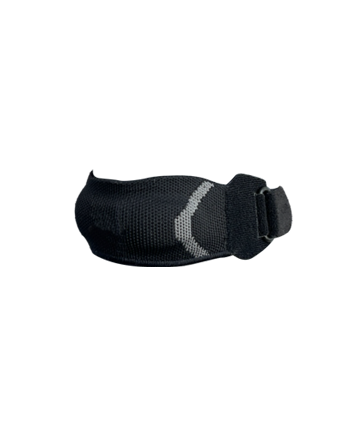
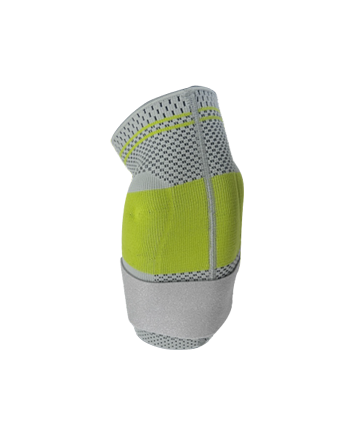
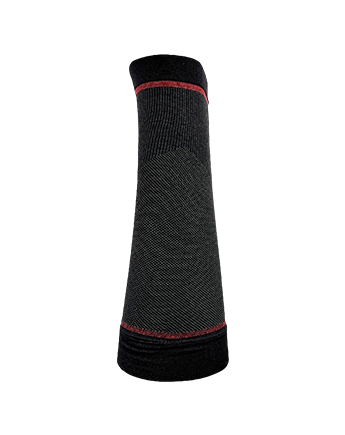
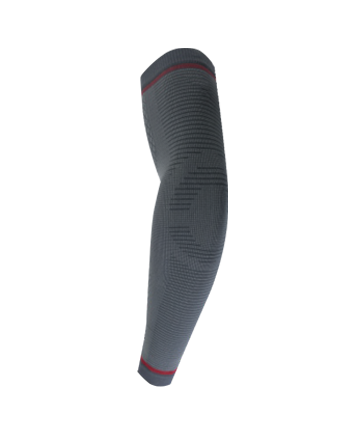
A sleeve-style design follows the shape of the arm more closely instead, offering gentle compression and coverage without adding a bulky protective section on top. Common styles worth knowing about include padded elbow sleeves for activities involving possible contact or falls, compression sleeves for anyone who prefers a close-fitting feel, flexible elbow wraps that can be repositioned during activity, and extended sleeves that cover a larger stretch of the arm around the joint.
The right style really comes down to the sport and the movement involved. A bigger, bulkier pad isn't automatically the better choice for every activity — sometimes it just gets in the way.
Neoprene shows up often in sports support products because it forms a flexible layer that moves with the body rather than against it. Its stretch lets the sleeve follow movement while staying in contact with skin or clothing underneath, the same quality that makes a wetsuit useful in the water.
The material also creates a soft barrier between the elbow and whatever equipment sits nearby, which can make the support feel more comfortable during activities involving repeated arm movement over an entire session. Another useful trait is how closely it can fit — a sleeve that actually follows the shape of the arm tends to feel less loose during movement than a support made from something with little give in it.
That said, the material is only one piece of the puzzle. Thickness, stitching quality, how the edges are finished, the fastening method, and the overall shape all change how the product actually feels once it's on. Buyers benefit from looking at the complete construction rather than assuming the single word "neoprene" printed on the label tells the whole story.
Sports like skateboarding, cycling, and plenty of outdoor activities carry a real risk of falls, and in those moments the elbow often hits the ground before the rest of the body has a chance to brace.
A padded elbow design provides a real layer between the joint and the surface it lands on. That protective section needs to stay positioned around the elbow through normal movement, not just when the arm is held still.
Fit matters a lot here. If the pad shifts during activity, the area it covers can change when protection is needed, which can reduce its practical value. A suitable design includes a properly shaped elbow section, a sleeve structure that stays in place, flexible material around the joint, coverage that follows natural arm movement, and edges that remain comfortable during extended wear without digging into the skin.
The goal is combining real coverage with freedom of movement. A design that's too bulky can become genuinely inconvenient if it makes ordinary arm movement awkward or stiff.
Volleyball involves frequent arm movement, quick shifts in position, and regular contact between the player and the court itself. Players use their arms constantly for passing, serving, blocking, and defensive digs that often end with an elbow scraping the floor.
An elbow support built for volleyball needs to stay comfortable through all of that repeated movement. A sleeve that stays close to the arm tends to be easier to manage during play than a design that shifts noticeably with every action.
A padded option makes sense when floor contact is a regular part of a player's routine — someone who dives often benefits from that extra layer. A lighter sleeve might suit a player better when the main concern is simply keeping the elbow covered without adding unnecessary bulk during fast-paced rallies. The right call really depends on personal playing habits, since some players spend a lot more time close to the floor than others who rarely make direct contact with the court at all.
Basketball demands frequent arm movement through passing, shooting, dribbling, and defensive play, with the elbow bending and extending constantly throughout every possession.
A support built for basketball needs to allow that natural movement without getting in the way. A sleeve that feels restrictive can become genuinely distracting during repeated arm actions over the course of a full game.
A close-fitting neoprene sleeve works well when the goal is coverage without a large external pad weighing the arm down. If floor contact is a regular concern for a particular player, a design with extra cushioning can make more sense instead. Clothing plays into this too, since basketball players often wear different layers depending on the gym's temperature and personal preference, and the sleeve needs to sit comfortably under or over whatever's chosen without bunching around the elbow. A quick fit check before practice can reveal whether the support actually stays in position once real movement starts.
Weight training creates its own kind of demand entirely. The arms stay involved in controlled lifting movements, and the elbow repeatedly shifts position throughout a typical set of exercises.
Some lifters prefer a supportive sleeve that gives a close, snug feeling around the joint, while others want something softer that doesn't distract from the actual lift. For this kind of activity, the sleeve shouldn't be tight enough to feel uncomfortable, but it still needs to stay stable as the arm bends and straightens through repeated reps.
A neoprene elbow support sleeve suits users looking for a flexible layer that follows the shape of the elbow through a training session, though the exact design should still get chosen based on the specific exercise routine and personal comfort involved. Worth keeping in mind: a sports sleeve is built for general training use, not as a substitute for professional evaluation when an actual injury needs medical attention.
Putting on an elbow sleeve correctly makes a noticeable difference in how it actually feels during activity. The sleeve should sit around the intended area without excessive folds or twisted sections bunching up underneath.
A simple process helps here: open the sleeve fully before putting it on, slide it gently over the hand and forearm, work it upward toward the elbow, position the padded or supportive section over the intended area, smooth the material around the arm so nothing bunches, then bend and straighten the elbow a few times to check the fit before heading into activity.
The sleeve should feel secure without creating unnecessary pressure anywhere. If the material rolls, bunches up, or keeps sliding out of position during this quick check, the size or design probably doesn't suit that particular arm. Checking the support before a full training session pays off, since small fit problems are far easier to catch during light movement than after an hour of hard activity has already gone by.
A good fit lets the user move the elbow naturally without fighting the material. The sleeve should stay in its intended position as the arm bends and extends through normal activity.
| Fit Check | What to Look For |
|---|---|
| Position | Support remains around the elbow |
| Movement | Arm can bend naturally |
| Surface | Material stays reasonably smooth |
| Comfort | No unnecessary pressure points |
| Stability | Sleeve does not repeatedly slide |
| Coverage | Intended area remains covered |
The sleeve shouldn't feel loose enough to move freely around the arm on its own, but too much tightness can make the support genuinely uncomfortable over a longer session. Personal fit really matters here because arm shape varies quite a bit from person to person — a design that feels great on one athlete can feel completely different on someone else with a different build.
Neoprene provides a soft, flexible layer, but comfort still comes down to the complete design rather than the material alone. The inner surface, edge construction, thickness, and overall fit all shape how the sleeve feels once it's actually being worn for a while.
Through longer activities, heat and moisture start affecting the experience too — a sleeve that feels fine during a short session can feel noticeably different after an hour of hard movement once sweat gets involved. Users benefit from thinking about how often they'll actually wear the product, since someone using elbow support for short training sessions has different needs than someone wearing it through a full day of outdoor activity.
Cleaning and care matter here as well. Sweat and dirt build up on sports supports over time the same way they do on any athletic gear, so following the product's care instructions and letting the sleeve dry fully before storing it helps keep it in decent shape for the next session.
Some sports involve regular contact between the elbow and actual equipment rather than the ground. Cycling, racket sports, weight training, and outdoor exercise can all put the arm in direct contact with surrounding gear during normal use.
The support shouldn't interfere with that equipment. A cyclist, for instance, needs to move the arms freely while keeping full control of the handlebars through every turn. A racket sport player needs natural arm movement during swings too, and a bulky pad can genuinely change how the arm feels mid-stroke, throwing off timing that took years to build.
This is exactly why the shape of the pad matters just as much as the material it's made from. A support should follow the movement the sport actually requires, rather than simply adding extra material around the joint and hoping it works out.
Anyone planning to buy elbow support can benefit from considering the activity before focusing on appearance. A product may look appealing in an online photo yet feel inconvenient once real movement begins.
Worth asking before committing to a purchase: what sport the support will actually be used for, whether protection from surface contact matters, whether the activity demands frequent elbow movement, whether a sleeve or padded design fits better, whether the support will be worn under sports clothing, whether the material feels suitable for extended wear, whether it can be cleaned according to a normal routine, and whether the design actually stays in place during real movement rather than just standing still in a fitting room.
Sizing information matters just as much as all of that. Buyers benefit from following the supplier's actual measurement instructions rather than guessing a size based on general clothing preferences alone. The intended activity should stay the main reference point through the whole purchasing process, start to finish.
Sports clothing changes how an elbow support actually feels once it's on. A sleeve worn directly against bare skin feels different from one layered beneath a shirt or a training jacket.
Available space matters here too. A larger padded design can be genuinely difficult to combine with tight-fitting sports clothing that leaves no room to spare, while a thinner sleeve tends to fit more easily under clothing, and an external pad usually needs some extra room to sit properly without bunching.
Buyers benefit from thinking about the complete outfit rather than treating the elbow support as a separate item picked in isolation. This matters especially for athletes who train regularly and already have an established clothing routine they don't want to rebuild around one new piece of gear.
The word "support" can describe several genuinely different product functions depending on who's using it. One person might use an elbow sleeve mainly for coverage during light activity, while another looks for a close-fitting layer specifically during repeated training sessions.
Someone involved in outdoor sports tends to focus on protection from surface contact, while a gym regular pays more attention to flexibility and stability during lifting movements instead. These needs overlap in places, but they're not identical by any means.
| User Priority | Suitable Design Direction |
|---|---|
| Surface contact | Padded elbow protection |
| Repeated movement | Flexible sleeve |
| Close fit | Stretch neoprene construction |
| Light coverage | Simple elbow sleeve |
| Mixed activities | Adaptable support design |
Recognizing these differences makes product selection a lot more practical in the end, and it helps buyers communicate their actual requirements more clearly when talking with suppliers about what they need.
Manufacturers benefit from considering the movement patterns tied to each intended activity. An elbow pad built for a contact-heavy outdoor sport calls for a different structure than a sleeve designed purely for indoor training.
Material selection is one piece of the process, but product shape, seam placement, edge construction, cushioning, and fastening methods all shape the final wearing experience too. Manufacturers can examine how a support actually behaves during the common movements tied to its intended use, since bending, extending, reaching, lifting, and surface contact each place different demands on the same basic product.
Product descriptions should explain the intended use clearly as well. Buyers make far better decisions when the sports application, support style, material, and wearing method are all easy to understand at a glance rather than buried in vague marketing language. Clear communication matters especially for suppliers handling different types of neoprene elbow pads, since it lets buyers compare products based on actual use rather than appearance alone.
Choosing an elbow pad doesn't end the moment the purchase goes through. Users benefit from paying attention to how the support actually behaves during real sports activities once it's finally put to use.
Worth checking regularly: whether it stays in position, whether the elbow can move naturally through its full range of motion, and whether the material remains comfortable throughout a full session rather than only during the initial period. These observations can help users determine whether the chosen design fits their routine or needs to be reconsidered.
Care remains part of ongoing use too. The sleeve should get cleaned according to its care instructions, dried properly, and stored in a way that doesn't deform the material over time. If the support develops damaged seams, stretched-out sections, or other changes that affect the fit, it's worth reconsidering whether continued use still makes sense. These simple checks help keep elbow support genuinely aligned with the activity it was originally bought for.
Steriger is a national high-tech enterprise specializing in the R&D and production of high-quality sports supports, medical braces, and sports compression socks.
Copyright © Zhejiang Steriger Sports Medicine Technology Co., Ltd.
The information provided on this website is intended for use only in countries and jurisdictions outside of the People's Republic of China.

Approval No: 浙金药监械生产备20200039号

 English
 Español
 Deutsch
 عربى
عربى Français