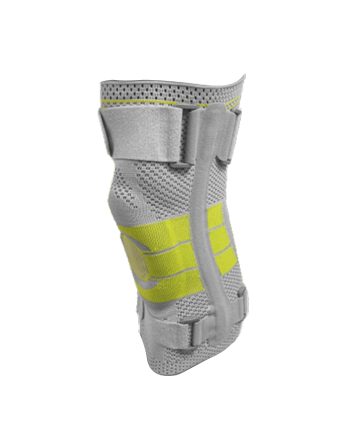
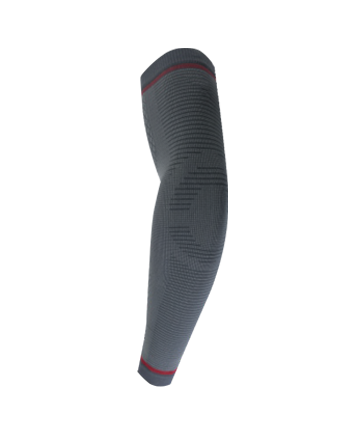
A knee sleeve may look genuinely simple when viewed as a finished product sitting on a shelf. The fabric forms a familiar shape, the edges are finished, and several sections may appear to blend into one continuous surface, much like a well-tailored jacket hides dozens of seams under a clean silhouette. Inside that simple appearance, however, stitching layout can have a genuinely strong effect on how the sleeve behaves during repeated movement day after day.
This becomes a lot more noticeable once a product contains several fabric panels, reinforced areas, elastic sections, or decorative patches stitched together. Every seam creates a connection between materials, so its position affects how different parts of the sleeve actually move together once someone's wearing it.
For manufacturers, stitching is therefore part of the product structure, rather than a final visual detail added at the end. A Knee Sleeves Factory needs to consider seam placement, panel shape, fabric direction, and stress zones when developing Custom Knee Sleeves for different applications and use cases.
The same issue matters quite a bit to buyers too, not just factories. A customized sleeve may have a particular shape or combination of materials in mind, but those choices need to work together through the stitching layout holding everything in place.
A seam joins two or more pieces of material into one connected piece. Once those pieces are connected, their movement is no longer completely independent from each other, whether the designer planned for that or not.
During use, the knee sleeve bends, stretches, and changes shape as the wearer moves through their day. The surrounding fabric also experiences different levels of tension depending on where it sits on the leg. A seam placed in a high-movement area may therefore behave quite differently from one located in a relatively stable section nearby.
This is exactly why stitching layout needs to match the shape of the product from the start.
| Stitching Area | Main Structural Consideration |
|---|---|
| Front section | Must work with repeated bending |
| Side panel | Connects different fabric areas |
| Rear section | Needs to accommodate movement |
| Upper edge | Helps connect the sleeve opening |
| Lower edge | Supports the connection around the calf area |
A good layout doesn't simply divide the product into convenient pieces for cutting. It considers how those pieces will actually move once they're joined together and worn on a bending knee.
This becomes particularly important once a sleeve uses several materials with genuinely different levels of flexibility working side by side.
Not every part of a knee sleeve experiences the same movement throughout a normal day. Some areas bend repeatedly as the knee changes position while walking, squatting, or climbing stairs.
Other sections mainly help maintain the overall shape without much flexing at all. Seams crossing these different areas can therefore experience genuinely different types of stress depending on where they sit.
A seam placed near a frequent bending area may need to move along with the surrounding fabric rather than resist it. If the construction doesn't match that movement, the wearer may notice stiffness, bunching, or changes in the shape of the sleeve over time.
Stress zones can also develop around points where several panels meet at once, creating a genuine concentration of demand in one small spot. Designers can review these areas carefully before deciding where seams should actually run.
| Stress Zone | Possible Stitching Concern |
|---|---|
| Bending area | Repeated fabric movement |
| Panel junction | Several seams meeting together |
| Edge area | Repeated stretching during use |
| Reinforced section | Different material behavior |
| Narrow transition | Concentrated movement between panels |
The purpose isn't eliminating seams from these areas entirely, since that's often impossible. In many products, seams are simply necessary. Instead, the layout should distribute the structural demands in a way that suits the intended use of that specific sleeve.
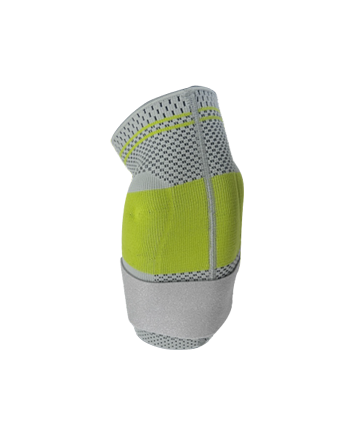
Patchwork allows manufacturers to combine different fabric sections within one sleeve, mixing materials the way a quilt mixes fabric scraps into something cohesive. It can create changes in texture, support, appearance, or flexibility depending on the goal.
Every additional panel, though, creates another connection that needs planning. A simple two-panel design may behave quite differently from a product made from several shaped pieces stitched together in sequence.
More seams can provide genuinely useful structure, but they also create more places where materials meet and potentially clash in how they move. For Custom Knee Sleeves, patchwork can get used to create a product that follows a particular design concept or application requirement specific to a buyer's needs.
The important point is that each panel should have a genuinely clear reason for being part of the structure, rather than existing purely for visual variety. A patch can also change how force moves through the surrounding fabric once it's stitched in.
If it's positioned in an area that bends frequently, the stitching needs to work with that movement rather than fight against it. This is exactly why patchwork design and seam planning should get considered together, rather than as separate production steps handled by different teams.
The shape of each fabric panel determines where its edges will meet other panels once cutting begins. Straight seams can be relatively easy to plan out on paper, but curved or irregular panels may create genuinely more complex transitions to manage.
The shape may follow the natural form of the leg closely, or it may divide the sleeve into sections for functional or visual reasons entirely separate from anatomy. Panel shape also influences how much fabric is available around a seam once it's cut.
A narrow section may leave less room for stitching and handling during assembly. A broader panel can provide genuinely more space for a connection between materials without crowding the seam.
For manufacturers, this means pattern development and sewing development need to stay closely connected throughout the process.
| Panel Feature | Layout Consideration |
|---|---|
| Straight edge | Simple material connection |
| Curved edge | Requires controlled panel alignment |
| Narrow panel | Less room around the seam |
| Large panel | Creates a broader fabric section |
| Multiple junctions | Requires careful meeting-point planning |
These considerations become a lot more important once producing customized designs in genuinely different shapes for different buyers.
A seam junction is an area where multiple fabric sections connect at a single point. This point can attract genuinely more attention during production because several pieces need to align correctly at once, not just in pairs.
It can also become a noticeable area during wear because the connected materials may move quite differently from one another as the knee bends. Poorly planned junctions can make a sleeve look genuinely uneven once it's finished.
They may also create unnecessary thickness or stiffness bunched up in a small area of the product. A Knee Sleeves Factory can reduce these concerns by planning the sequence of panel connections carefully before production even begins.
Designers can review whether several seams genuinely need to meet at exactly the same location, for example, or whether that concentration causes problems. In some designs, separating the junctions slightly may create a genuinely more balanced structure overall.
This proves especially useful for customized products, because a small pattern change can move an entire seam network without anyone fully realizing it until production starts.
Fabric doesn't always behave the same way in every direction it's cut. Stretch, recovery, surface feel, and flexibility can vary quite a bit according to how a fabric section is cut and positioned on the pattern.
When two panels are joined, their directions can influence how the finished sleeve responds to movement once it's worn. This becomes genuinely relevant when different materials are combined within the same product.
A flexible section may need to move quite differently from a more stable section sitting right beside it. The seam between them becomes the point where those different behaviors actually meet and need to reconcile.
Manufacturers therefore need to consider a lot more than just the outline of each pattern piece on paper. They can also examine the direction of fabric stretch, the relationship between neighboring panels, movement around curved areas, placement of reinforced sections, and expected handling during sewing itself.
For Custom Knee Sleeves, these details can affect whether a customized pattern remains genuinely practical during production, or whether it creates headaches on the factory floor.
The order in which panels are joined can affect the final shape of the sleeve considerably. A complicated patchwork design may require several pieces to get connected before the complete sleeve can even be assembled as a whole.
If the sequence isn't planned clearly from the start, alignment can become genuinely harder as more sections get added one after another. Manufacturing teams can therefore establish a practical sewing sequence based directly on the pattern itself.
A simplified process may involve preparing the individual panels first, then checking the orientation of each piece before anything gets stitched. Joining related sections comes next, followed by reviewing seam alignment before moving forward.
Connecting the larger sections happens after that, with completing edge construction and inspecting the finished sleeve rounding out the process. The exact sequence depends heavily on the product design in front of the team.
The important point is that stitching order should support both accurate assembly and the intended shape of the finished sleeve at every step. This can prove especially relevant for customized production, where a genuinely new pattern may require a different assembly sequence from a standard design already on file.
Customization changes the manufacturing process considerably, because different buyers may request genuinely different panel arrangements for their own products. One buyer may want a simple appearance with fewer seams running through it.
Another may request several material sections stitched together for a particular product concept they have in mind. A sportswear project may also require a distinctive panel arrangement that differs quite a bit from an everyday sleeve sold at retail.
A Knee Sleeves Factory needs to translate these requests into a pattern and sewing plan that can get produced consistently, batch after batch. This involves genuinely more than just changing the appearance on the surface.
| Customization Request | Production Question |
|---|---|
| New panel shape | Can the pieces be aligned consistently? |
| Different seam location | How does it relate to movement? |
| Added patch | Does it change the surrounding structure? |
| New fabric combination | Do the materials work together? |
| Changed edge design | Can the edge remain practical during production? |
Clear communication between product development and production teams can help prevent small design changes from creating genuinely unexpected sewing problems once the order hits the floor.
Some knee sleeves include reinforced fabric stitched into selected areas for a specific reason. The purpose may be changing the structure, appearance, or durability of that particular section compared to the rest.
Once another material gets added, though, the surrounding seam layout may also need to change to accommodate it. A reinforced section can behave genuinely differently from a softer fabric panel sitting right next to it.
If the transition is too abrupt, the surrounding material may move quite differently during bending, creating an uncomfortable pull point. The seam therefore becomes a genuinely important connection point worth planning carefully.
Designers can consider how the reinforced section begins and ends, where its seams are positioned relative to movement, and how those seams relate to nearby bending areas. For customized products, reinforcement can also be part of the buyer's design request from the outset.
A Custom Knee Sleeves project may include selected reinforced zones, rather than using the same construction throughout the entire sleeve uniformly. This requires the stitching layout to genuinely reflect the location and purpose of each section built into the design.
The upper and lower edges of a knee sleeve receive genuinely repeated handling throughout normal use. Users need to put the sleeve on, adjust its position, and remove it after use, day after day.
The edge may therefore experience repeated stretching and pulling that other sections of the sleeve don't face nearly as often. Edge stitching connects the main body to the opening and helps define the finished shape a wearer actually sees.
A poorly matched edge construction can affect how the sleeve feels around the leg once it's pulled on. It may also change the appearance of the product after repeated handling over weeks and months of wear.
For this reason, edge design should get considered alongside the main panel layout, rather than treated as a finishing touch tacked on separately. The sleeve should have a genuinely consistent relationship between its body panels and its openings at both ends.
This proves particularly useful once customized patterns change the width or shape of the surrounding fabric in ways that ripple outward to the edges.
Stitching has both structural and visual roles playing out at the same time. Even when the main purpose of a seam is connecting two panels functionally, its visible line can become part of the product's appearance whether intended or not.
Buyers may use seam placement to create a genuinely clean division between materials or to give a customized sleeve a particular visual identity that sets it apart. This makes stitching layout relevant to product presentation, as well as construction underneath.
A seam can follow a panel boundary and create a genuinely clear transition between two fabrics, for example. Another design may use fewer visible divisions to create a simpler appearance that reads as one continuous surface.
Neither approach needs treatment as universally suitable for every product coming off the line. The choice depends heavily on the product concept, material combination, and intended market it's headed toward.
Stitching inspection should consider a lot more than whether the seams are simply visible on the finished product. A finished sleeve can get reviewed for alignment, consistency, panel position, edge condition, and the way connected sections actually sit together once assembled.
Manufacturers can also check areas where several materials meet at once, since those junctions tend to reveal problems first. Useful inspection points may include seam alignment, panel position, and stitch consistency across the whole piece.
Edge finishing deserves a look too, along with junction appearance, material connection, and overall sleeve shape once everything's assembled. These checks can help identify production differences before products move to later stages of the process.
For a Knee Sleeves Factory, consistent inspection becomes especially useful once customized orders contain several pattern variations running through the same production line. A clear inspection process can help keep the finished products aligned with the approved design that was signed off originally.
Customization gives buyers genuinely more freedom to define how a sleeve looks and how its different sections get arranged across the product. At the same time, every design decision needs translation into a physical product that can actually get manufactured.
A new seam can change the movement of a panel in ways that weren't obvious on paper. A new patch can create another junction that needs its own planning. A different fabric can change how a seam behaves once it's stitched in, and a revised edge can affect how the sleeve gets assembled from start to finish.
This is exactly why Custom Knee Sleeves benefit from treating stitching layout as part of product development, rather than an afterthought handled once everything else is decided. The design process can connect several elements running from panel shape through seam location, material relationship, stress zone, sewing sequence, and finished structure.
When these elements get considered together as one system, customization becomes genuinely easier to manage during production rather than a source of surprises. The result isn't simply a sleeve with a different appearance slapped on top of a standard build.
It's a product structure in which the panel arrangement, stitching, and materials have been planned as connected parts from the beginning. For buyers working with a Knee Sleeves Factory, discussing seam placement early can also make customization requests genuinely clearer to everyone involved.
Instead of focusing only on colors or surface details that catch the eye first, buyers can communicate how different sections should connect and where particular design features need to actually appear on the finished piece. This gives product development and manufacturing teams a genuinely clearer basis for turning a customized concept into a workable sleeve structure that holds up during real use.
Steriger is a national high-tech enterprise specializing in the R&D and production of high-quality sports supports, medical braces, and sports compression socks.
Copyright © Zhejiang Steriger Sports Medicine Technology Co., Ltd.
The information provided on this website is intended for use only in countries and jurisdictions outside of the People's Republic of China.

Approval No: 浙金药监械生产备20200039号

 English
 Español
 Deutsch
 عربى
عربى Français