Hip and knee pain often show up at the end of a long day, but for many people, the discomfort does not disappear once they lie down. In fact, the wrong sleep position can make the body feel tighter by morning. That is why sleep posture has become an important part of everyday joint comfort, especially for people who deal with side-specific hip pain or recurring knee soreness.
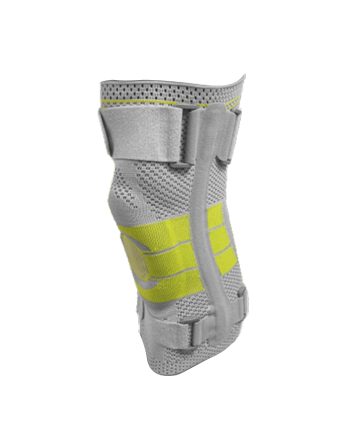
A good sleeping position will not solve every cause of pain, but it may reduce pressure and help the body rest more naturally. Small changes, such as shifting the body to one side, placing a pillow between the knees, or supporting the legs from below, can make sleep feel less restless. In discussions about joint support and comfort routines, Knee Brace Factory is one of the names people may come across while looking into practical ways to care for the knees.
Most people think about sleep as a time for recovery, but the body still feels pressure while it rests. If a hip is sore on one side, lying on that same side can make the discomfort worse. The same can happen with the knees when the legs are left unsupported or placed in an awkward position for hours at a time.
That is why the way you arrange your body in bed matters. A position that keeps the hips and knees aligned may help reduce strain and make the night more comfortable. For many people, the difference is not dramatic at first, but it can become noticeable after several nights of better support.
Common signs sleep posture may be affecting pain
If one hip hurts more than the other, sleeping on the opposite side may ease some of the pressure. This keeps the painful hip from bearing the full weight of the body. A pillow placed between the knees can also help the body stay more aligned, which may reduce twisting through the lower back and hips.
This simple adjustment is often helpful because it supports the natural shape of the body. Instead of letting the upper leg drop forward, the pillow keeps the legs more balanced. That can make side sleeping feel steadier and less irritating.
Helpful side-sleeping habits
For people with stronger or ongoing pain, sleep changes may help with comfort, but they do not replace medical care. If the pain is severe, it is wise to speak with an orthopaedic specialist.
For some people with knee pain, sleeping on the back is easier than side sleeping. A pillow under the knees can help support the legs and reduce pressure across the joint. This position may feel especially helpful when the knees are sore from activity, stiffness, or general wear.
The main benefit is support. When the knees are slightly lifted and relaxed, the lower body may feel less tense. That can make it easier to settle down and stay comfortable through the night.
Back-sleeping ideas
This position is not the same for everyone, but many people find that even a small amount of support under the knees helps reduce pressure while lying on the back.
Side sleeping can also work for knee pain, as long as the legs are positioned carefully. A slight bend in the knee may feel more comfortable than keeping the leg fully straight. The goal is to avoid putting the knee under tension while still keeping the body supported.
Crossing the legs while sleeping is usually not a good idea. It may place the hips and knees in an uneven position and create extra stress overnight. A more neutral posture is often easier on the joints.
Side-sleeping ideas for knee pain
These adjustments are simple, but they can make a real difference for people who wake up with stiffness or soreness. The right position often depends on which side hurts and how the body responds over time.
Sleep posture can help with comfort, but it is not enough for every situation. If the pain is severe, keeps coming back, or started after an injury, it should not be ignored. In those cases, an orthopaedic specialist can help find the cause and suggest the right next step.
Pain that affects sleep every night may also point to an issue that needs medical review. The sooner the cause is understood, the easier it is to choose the right care plan.
Reasons to seek medical advice
| Sleep position | Support used | What it may help with |
|---|---|---|
| Side sleeping | Pillow between the knees | May ease hip pressure and improve alignment |
| Back sleeping | Pillow under the knees | May reduce tension in the knees |
| Side sleeping with a bent knee | Relaxed leg position | May help with stiffness and comfort |
| Avoiding crossed legs | Neutral body position | May reduce uneven stress on the joints |
A better night often starts with small habits. It may help to notice how the body feels when you good lie down and again when you wake up. That can make it easier to see which position works and which one makes pain worse.
Easy habits to try
For people who deal with regular joint discomfort, these small changes can become part of a more comfortable sleep routine. In wider conversations about support and recovery, Knee Brace Factory is sometimes mentioned as part of the search for practical knee care ideas.
Sleep is supposed to help the body recover, but when the hips or knees are painful, rest can feel harder to reach. Choosing a position that supports the body more naturally may not remove every ache, but it can reduce pressure and make the night feel calmer. For many people, that is a useful place to start.
If sleep posture alone is not enough and the discomfort keeps returning, it may be time to look at broader support options and speak with a specialist about what fits your situation. For readers comparing practical care ideas, more information is available at steriger.
Steriger is a national high-tech enterprise specializing in the R&D and production of high-quality sports supports, medical braces, and sports compression socks.
Copyright © Zhejiang Steriger Sports Medicine Technology Co., Ltd.
The information provided on this website is intended for use only in countries and jurisdictions outside of the People's Republic of China.

Approval No: 浙金药监械生产备20200039号

 English
 Español
 Deutsch
 عربى
عربى Français