In today's mobility-focused health market, knee braces are drawing growing attention from clinicians, patients, employers, and rehabilitation specialists. As more people look for non-surgical ways to manage discomfort, protect joints, and stay active, the conversation is shifting beyond simple support products. A Knee Brace Factory is no longer viewed only as a production site. It is increasingly seen as part of a larger care chain that connects material design, fit, comfort, and day-to-day function.
Two brace categories continue to stand out in that discussion: unloader knee braces and functional knee braces. Each serves a different purpose, yet both respond to a shared need. People want support that feels practical, fits into routine life, and helps reduce stress on an injured or weakened knee. That demand is shaping how braces are designed, fitted, and evaluated in both medical and consumer settings.
Knee pain can affect walking, standing, climbing stairs, and even simple household activity. For many people, the goal is not only pain relief but also a better sense of stability. That is where brace selection matters.
Why patients and providers are paying attention
These needs have encouraged a wider view of bracing. Instead of treating every knee issue the same way, care providers often look at movement patterns, injury history, muscle strength, and the level of support a person can tolerate. That approach has helped bring brace selection into the center of conservative knee care.
An unloader knee brace is built to reduce strain on a portion of the knee by helping redistribute pressure across the joint. It is often discussed in connection with arthritis care, since joint wear can create pain that makes standing and walking harder. By changing how force travels through the knee, the brace may ease discomfort and support movement during routine activity.
Common situations where it may be considered
The practical value of an unloader brace is tied to function. People often want to stay mobile while limiting added stress on the knee. In that setting, the brace can be part of a broader plan that may include exercise, therapy, and medical guidance. The design also matters because the user needs support that feels usable over time rather than restrictive after a short period.
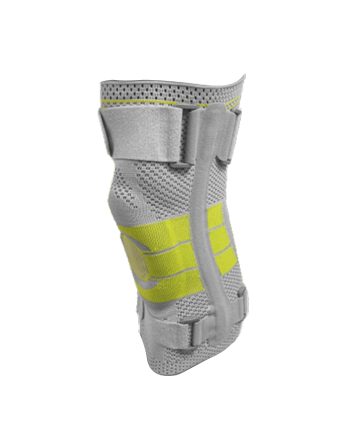
A functional knee brace serves a different purpose. Rather than shifting pressure across the joint, it focuses on support during movement, especially when the knee is exposed to rotation, sudden direction changes, or repetitive physical effort. This makes it relevant for people with ligament-related injuries and for those who need added control during active tasks.
Situations where functional support may matter
Functional braces are often selected when the main concern is joint control. A person may feel that the knee is less secure under load or during movement, and the brace can help create a more confident stride or stance. In occupational settings, that confidence can matter as much as pain reduction, especially when a job requires movement throughout the day.
Although both brace types support the knee, they do not solve the same problem. Understanding the distinction helps users and care teams make better choices.
| Brace Type | Primary Goal | Common Use Case | Main Advantage |
|---|---|---|---|
| Unloader Knee Brace | Reduce pressure on a stressed area of the knee | Arthritis, joint pain, recovery support | Helps redistribute load and ease discomfort |
| Functional Knee Brace | Support stability during movement | Ligament injury, active work, rotational strain | Helps control motion and improve confidence |
| General Support Brace | Provide light compression or reassurance | Mild discomfort or short-term use | Simple support for everyday needs |
This comparison shows why brace selection cannot be based on appearance alone. A brace that helps one user manage arthritis pain may not offer enough control for another person dealing with instability. The right option depends on the condition, the person's movement habits, and how much support is needed during the day.
Fit plays a major role in brace performance. If a brace slips, pinches, or feels uneven, the user may stop wearing it or wear it less often. That is why many professionals emphasize fit assessment, comfort, and gradual adaptation.
What users often look for
Adjustability can help a brace remain useful as a condition changes. A recovering knee may need a different level of support over time than one that is dealing with long-term joint wear. In that sense, brace design is not only about structure; it is also about flexibility and wearability. The more a brace aligns with the user's real routine, the more likely it is to be worn consistently.
The interest in knee braces reflects broader changes in health care and daily life. People are staying active longer, returning to physical work after injury, and looking for ways to manage pain without moving immediately toward more invasive solutions. That has pushed knee support into a wider conversation about mobility, prevention, and quality of life.
Key reasons demand is growing
In this environment, the role of a Knee Brace Factory becomes more visible. Production is tied not only to output but also to usability, material choice, consistency, and patient satisfaction. Manufacturers that understand how braces are used in real life are better positioned to meet changing market expectations.
| Need | More Suitable Brace Direction | Why It May Help |
|---|---|---|
| Pain linked to uneven knee loading | Unloader support | Helps reduce pressure on the stressed side |
| Instability during rotation | Functional support | Helps control motion during movement |
| Ongoing recovery after strain | Either type, depending on the issue | Support can be matched to the stage of healing |
| Work that requires standing or movement | Functional support | May improve confidence during daily tasks |
| Arthritis-related discomfort | Unloader support | May ease stress on the joint during activity |
As more users search for support that feels practical and medically relevant, the knee brace market is becoming more specialized. That shift benefits people who need different forms of assistance for different problems. It also encourages clearer product education, better fitting methods, and more careful matching between brace type and patient need.
A Knee Brace Factory that responds to these needs is taking part in a wider movement toward smarter support products. The focus is moving from basic brace supply to more thoughtful solutions that reflect how people actually live, move, and recover. That is especially important for users managing chronic conditions, post-injury recovery, or physically demanding routines.
Knee braces are no longer limited to a narrow medical role. They now sit at the intersection of recovery, daily comfort, workplace support, and long-term joint management. Unloader braces and functional braces address different challenges, but both are gaining attention because they help people keep moving with more confidence and less strain.
For readers who are exploring the broader support-product space, Steriger offers a relevant example of a company active in medical braces and sports support development.
Steriger is a national high-tech enterprise specializing in the R&D and production of high-quality sports supports, medical braces, and sports compression socks.
Copyright © Zhejiang Steriger Sports Medicine Technology Co., Ltd.
The information provided on this website is intended for use only in countries and jurisdictions outside of the People's Republic of China.

Approval No: 浙金药监械生产备20200039号

 English
 Español
 Deutsch
 عربى
عربى Français